North India Statesman
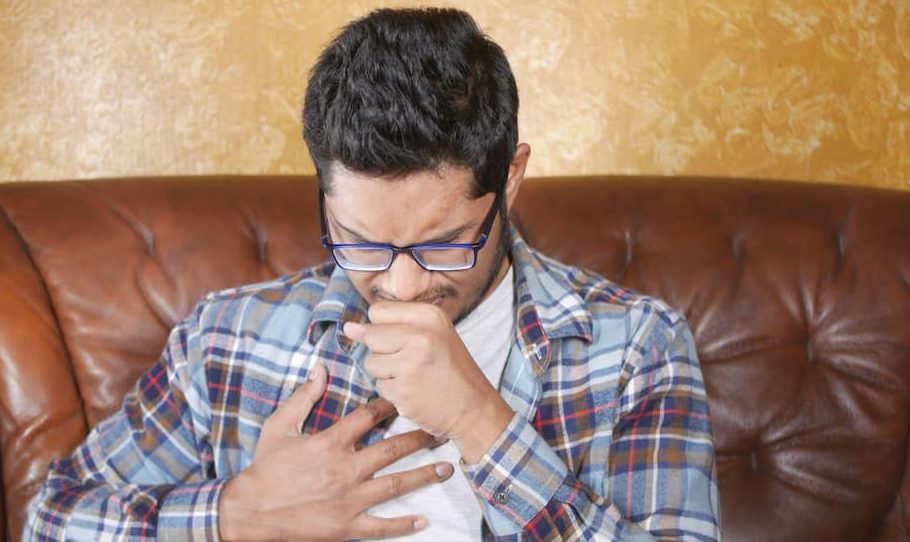
That sharp, uncomfortable burning sensation behind the breastbone shortly after finishing a meal is one of the most widespread digestive complaints today. Despite its name, heartburn has nothing to do with the heart itself; it is a direct symptom of gastroesophageal reflux, which occurs when caustic gastric juices splash backward into the delicate lining of the esophagus. While occasional discomfort can stem from overeating or rich holiday spreads, frequent post-meal flare-ups often indicate distinct physiological triggers and habits that weaken the body’s natural digestive barriers.
The Mechanical Breakdown: How the Lower Esophageal Sphincter Fails
Under normal digestive conditions, food travels down the esophagus and passes through a circular ring of muscle called the lower esophageal sphincter (LES), which acts as a tight, one-way valve into the stomach. Once food enters, the LES snaps shut, trapping gastric acid and enzymes securely below. However, if this muscular band relaxes abnormally, weakens, or experiences excessive pressure from within the abdominal cavity, it allows stomach acid to escape upward. Unlike the stomach, which is shielded by a thick, resilient mucous layer, the esophagus lacks defense against harsh hydrochloric acid, resulting in immediate tissue irritation, inflammation, and that signature burning pain.
Major Dietary and Lifestyle Culprits That Trigger the Burn
Several common culinary choices and post-meal habits directly compromise the integrity of the LES or trigger excessive stomach acid production:
-
Heavy, High-Fat Meals: Deep-fried items, fatty cuts of meat, and heavy dairy digest slowly. This prolonged gastric emptying keeps the stomach distended for hours, exerting continuous upward pressure on the LES.
-
Chemical LES Relaxers: Certain foods and beverages contain chemical compounds that cause the sphincter muscle to loosen spontaneously, including chocolate, peppermint, caffeinated coffee, alcohol, and carbonated sodas.
-
Direct Mucosal Irritants: Highly acidic foods such as tomatoes, citrus fruits, vinegar, and dishes prepared with intense black or red chili peppers directly aggravate an already sensitive esophageal lining.
-
Lying Down Too Quickly: Reclining on a couch or going straight to bed after eating removes gravity’s natural assistance, making it much easier for stomach contents to flow backward toward the throat.
-
Mechanical Pressure: Carrying excess visceral abdominal fat, wearing overly tight belts, or bending over repeatedly after eating forces gastric juices upward past the esophageal valve.
Practical Steps to Prevent Post-Meal Heartburn
Relieving recurring acid reflux requires practical shifts in mealtime discipline. Focus on smaller, more frequent portions rather than massive, heavy sittings to avoid overfilling the stomach. Ensure a buffer of at least two to three hours between your final meal and bedtime to allow the stomach to empty completely before lying flat. Elevating the head of your bed by six inches can prevent nocturnal reflux through simple gravity. If heartburn persists more than twice a week, causes trouble swallowing, or is accompanied by unexplained weight loss, seek clinical evaluation to rule out gastroesophageal reflux disease (GERD) or a hiatal hernia.