North India Statesman
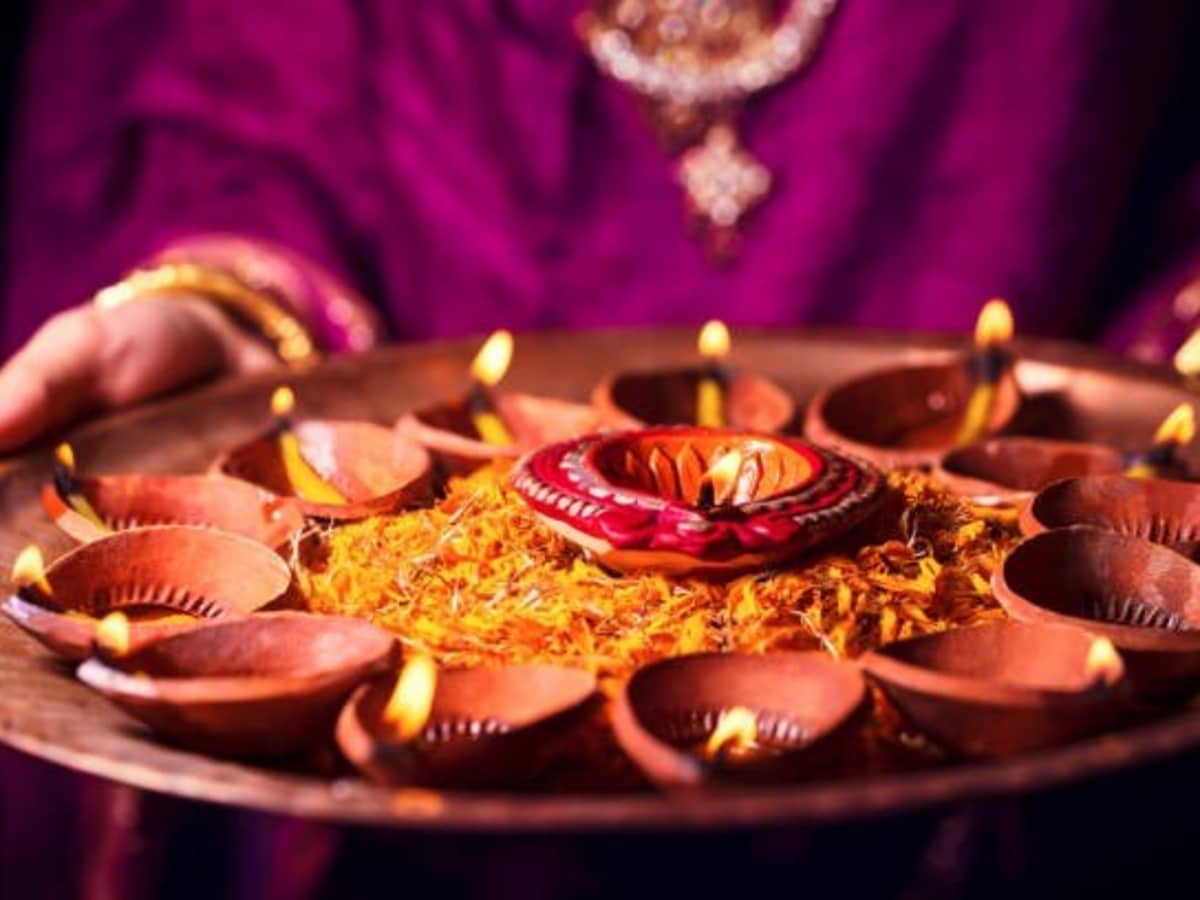
The festival of Dhanteras marks the grand commencement of the five-day Diwali festivities, dedicated to welcoming health, longevity, and boundless prosperity into the household. While purchasing precious metals and utensils is a popular tradition, the core spiritual practice of the evening revolves around lighting 13 earthen lamps (diyas). According to Vedic customs and ancient folklore, each of these 13 lamps carries a distinct spiritual purpose—warding off negative energies, honoring Lord Dhanvantari and Goddess Lakshmi, and seeking protection from untimely death through the revered practice of Yama Deepdaan. Placing these lamps in specific directions and sacred corners of the residence is believed to create an unbroken shield of divine light, banishing poverty, disease, and discord.
Auspicious Timings: When to Light the Lamps on Dhanteras
Performing Deepdaan at the right astrological time is essential to harness positive planetary energies. The most auspicious window to light the lamps falls during Pradosh Kaal (the post-sunset twilight period) while the fixed Vrishabha Lagna prevails.
-
Trayodashi Tithi Window: Begins on the morning of Friday, November 6, and extends through the morning of Saturday, November 7.
-
Pradosh Kaal Muhurat: 5:33 PM to 8:09 PM.
-
Lakshmi-Kuber Puja & Yama Deepdaan Muhurat: The prime overlapping window across northern and central India spans between 6:02 PM and 7:57 PM.Lighting the principal Yama Deepak just as twilight transitions into evening is considered most potent for securing the longevity and protection of family members.
The Complete Placement Guide: Where to Position the 13 Diyas
Each of the 13 lamps must be arranged mindfully, using mustard oil or pure cow ghee with fresh cotton wicks.
-
The First Diya (Yama Deepam): The most critical lamp is a four-faced or large clay diya filled with mustard oil, placed just outside the main threshold facing South (the direction of Lord Yama). It is lit to seek liberation from the fear of untimely demise and severe ailments.
-
The Second Diya (Puja Altar): Placed in the home temple directly before the idols of Lord Dhanvantari, Lord Ganesha, and Goddess Lakshmi, fueled by pure cow ghee to invoke spiritual peace and prosperity.
-
The Third Diya (Tulsi Plant): Set respectfully near the sacred Tulsi plant (Holy Basil) in the courtyard or balcony to invite the combined blessings of Lord Vishnu and Maa Lakshmi.
-
The Fourth Diya (Main Entrance Door): Positioned on the eastern or northern side of the main entry door to welcome positive cosmic vibrations into the living space.
-
The Fifth Diya (The Kitchen): Placed near the drinking water storage or clean kitchen counter, dedicated to Maa Annapurna and Varuna Dev to ensure food abundance and good health.
-
The Sixth Diya (Open Terrace or Rooftop): Placed as an “Akash Deep” at the highest point of the terrace, ensuring that open upper areas remain illuminated against negative forces.
-
The Seventh Diya (A Sacred Tree): Lighted beneath a nearby Peepal, Banyan, or Bel tree to honor planetary deities and ancestral spirits.
-
The Eighth Diya (Local Community Temple): Carried to a neighborhood temple dedicated to Lord Shiva, Vishnu, or Hanuman to offer gratitude and earn social spiritual merit.
-
The Ninth Diya (Balcony or Gallery): Placed along the boundary railing or verandah to create an uninterrupted pathway of light.
-
The Tenth Diya (Window Sill): Kept on a secure window sill facing outwards to brighten dark exterior corners.
-
The Eleventh Diya (Near the Trash or Disposal Area): Positioned at a safe, non-flammable distance near the outer sanitation or waste disposal perimeter to symbolize the complete purification and destruction of negative energies.
-
The Twelfth Diya (Outside the Washroom Area): Placed outside (never inside) the bath area or darker corridors to dispel lingering stale energy.
-
The Thirteenth Diya (Crossroads or Rear Yard): Positioned at a neighborhood intersection (chauraha) or the rear boundary gate of the plot to dispel obstacles and block financial hindrances.
Essential Precautions and Best Practices for Deepdaan
When performing the Dhanteras lamp ritual, safety and mindfulness must go hand in hand with devotion. Always place lamps on stable, heat-resistant clay saucers or metal plates to prevent hot oil from leaking. Keep wicks away from dry decorations, hanging curtains, and plastic torans. Furthermore, tradition dictates that after placing the Yama Deepak facing South outside the main door, family members should not immediately step out or look back at the flame. By methodically placing these 13 lamps in their designated sacred zones during Pradosh Kaal, households can seamlessly illuminate every corner of their lives with peace, longevity, and enduring wealth.