North India Statesman
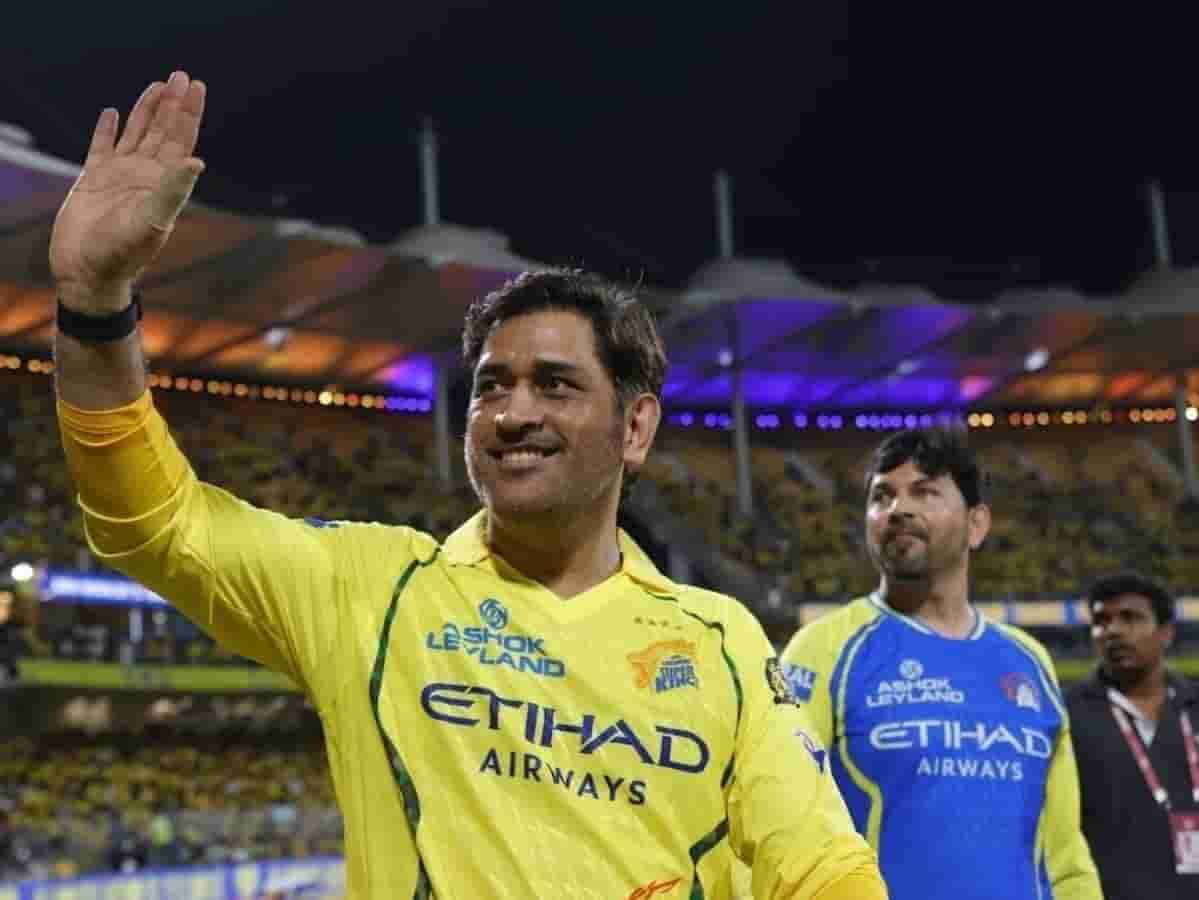
Even after stepping off the cricket pitch for the final time as a player, former Indian captain Mahendra Singh Dhoni continues to shape conversations far beyond the boundary ropes—this time in India’s personal finance and retail investing circles. Just hours after Chennai Super Kings (CSK) confirmed Dhoni’s retirement from playing in the Indian Premier League and announced his transition into the role of Team Mentor ahead of IPL 2027, a candid video clip of “Captain Cool” sharing practical stock market wisdom has resurfaced across social media platforms. Known globally for his ice-cold temperament under pressure and disciplined risk management at the crease, Dhoni applied that exact same philosophy to personal wealth, warning young Indian investors to stay away from speculative Futures and Options (F&O) trading. His blunt message—urging newcomers not to gamble their hard-earned savings for quick thrills—has struck a powerful chord across Mumbai, Bengaluru, New Delhi, and tier-2 cities where millions of first-time retail traders have flocked to mobile brokerage apps.
Why MS Dhoni Warned Investors Against Futures and Options
During a widely watched public interaction on financial literacy and investing, Dhoni addressed the growing craze for derivatives trading among young Indians without mincing words. Speaking directly to retail newcomers, he cautioned, “Please F&O mein mat ghusna warna…” (“Please don’t get into F&O trading, otherwise…”), explaining that derivatives markets demand deep technical mastery and emotional detachment that most everyday investors simply do not possess. Dhoni advised that anyone chasing excitement or an adrenaline rush should look elsewhere rather than putting their hard-earned money on the line in high-leverage trades. Pointing directly to the mandatory risk disclosures displayed whenever a user logs into an Indian brokerage app—which state that roughly nine out of ten individual traders lose money in the equity F&O segment—Dhoni remarked with characteristic dry humor that he wanted to know who the remaining 10 percent were who kept walking away with everyone else’s money. Admitting that those sobering odds convinced him to steer clear of F&O trading himself, Dhoni underscored a fundamental rule of both cricket and finance: protecting your wicket comes before swinging for the fences.
Inside Captain Cool’s Personal Stock-Picking Philosophy
Beyond warning against speculative derivatives, Dhoni offered rare insight into how he approaches long-term equity investing in his own portfolio. Just as he preferred building an innings patiently rather than chasing reckless shots early on, Dhoni revealed that he strictly avoids buying stocks that are trading at their all-time highs. Calling peak-priced momentum stocks “out of my target system”, he noted that chasing overheated valuations does not align with his disciplined investment framework. In earlier conversations with content creators and financial educators, Dhoni also poked gentle fun at how quickly televised market commentators reverse their calls—declaring strong Nifty support one day and flipping to a sell recommendation the very next morning. Emphasizing that young earners should focus on steadily compounding wealth rather than trying to overnight multiply capital, he compared investing to sport: outcomes are never guaranteed, so success depends on trusting a sound, well-researched process and taking personal responsibility for every decision.
What SEBI Data Says About Retail F&O Losses in India
Dhoni’s commonsense warning mirrors the stark empirical findings published by the Securities and Exchange Board of India (SEBI) over the past two years. Comprehensive studies conducted by the market regulator revealed that more than 91 percent of individual traders in India’s equity F&O segment incurred net losses, collectively losing tens of thousands of crores of rupees—with average losses exceeding ₹1 lakh per retail participant once transaction costs and taxes were factored in. Despite repeated regulatory tightening by SEBI, including higher minimum contract sizes and stricter upfront margin norms, easy smartphone access and social media “finfluencer” hype continue to lure young salaried professionals and college students from cities like Lucknow, Kanpur, Pune, and Ahmedabad into weekly options expiry bets. Financial planners across India note that hearing a trusted national icon like Dhoni openly admit that he avoids F&O because the odds are stacked against retail players carries far greater persuasive power than dry regulatory fine print.
Key Takeaways for First-Time Indian Investors
As Dhoni prepares to guide Chennai Super Kings from the mentor’s chair in IPL 2027 after winning five IPL titles as captain, his off-field financial playbook offers a timely reminder for retail investors navigating volatile markets. Certified financial advisors echo Dhoni’s core principles: treat equity investing as a disciplined marathon rather than a casino, avoid high-leverage derivatives unless you are an institutional or full-time professional trader, and resist the urge to buy stocks purely out of fear of missing out at record highs. By prioritizing thorough research, asset allocation, and patience over speculative shortcuts, everyday Indian savers can safeguard their capital and build durable wealth over time.