 North India Statesman
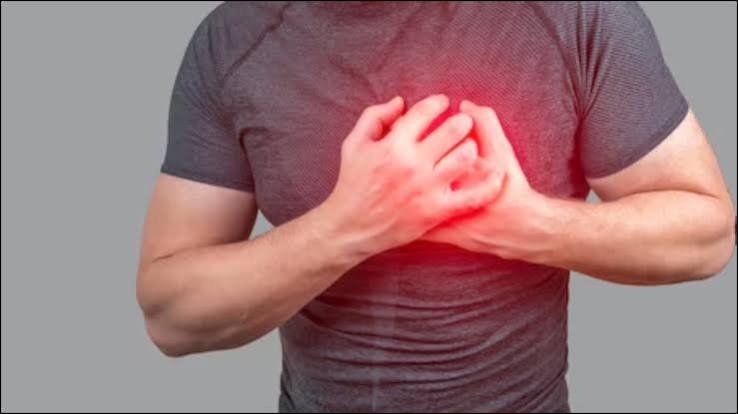
A heart attack rarely strikes without advance notice. Cardiologists emphasize that the human cardiovascular system frequently triggers subtle physiological alarms days, weeks, or even a month before an acute myocardial infarction takes place. Recognizing these warning alerts early can make the difference between swift medical recovery and catastrophic cardiac damage. When blood flow to the heart muscle becomes severely restricted due to plaque buildup in coronary arteries, the body responds with distinct, observable changes that should never be written off as harmless exhaustion or temporary indigestion.
Uncomfortable Chest Discomfort and Lingering Pressure
The classic sign of cardiac distress remains persistent discomfort right in the center or left side of the chest. Rather than sharp, stabbing pain, many patients describe the sensation as a deep squeezing, fullness, tightening, or heavy pressure, akin to a heavy weight resting on the ribcage. This feeling may last for more than a few minutes, or it may fade away and return during physical exertion or stress. In many early cases, this sensation mirrors severe heartburn, prompting individuals to self-medicate with antacids while crucial treatment time slips away.
Radiating Pain Traveling to the Arm, Back, and Jaw
Cardiac nerve pathways overlap significantly with sensory nerves throughout the upper torso, leading to a phenomenon known as referred pain. Before a major cardiac event, ischemic pain frequently radiates away from the chest, traveling down the left arm, across both shoulders, up into the neck, or even settling into the lower jaw and teeth. Pain between the shoulder blades in the upper back is particularly prevalent in women and diabetic patients. If deep muscular aching occurs in these areas without an obvious strain or workout injury, it warrants urgent clinical assessment.
Unexplained Shortness of Breath and Sudden Air Hunger
Struggling to catch your breath while carrying out basic daily activities or resting is a major red flag for arterial blockage. When the heart cannot pump oxygenated blood effectively throughout the body, fluid can build up inside the lungs, causing acute breathlessness known as dyspnea. This symptom often surfaces weeks before an actual attack, manifesting during light walking, climbing a few steps, or even while lying flat on a bed. If fatigue pairs with sudden respiratory difficulty, it signifies that the cardiac muscle is running under dangerous strain.
Persistent Extreme Fatigue and Disproportionate Weakness
Waking up exhausted after full nights of rest or suddenly feeling too drained to complete simple chores can indicate compromised cardiac output. When coronary arteries narrow, the heart works significantly harder to distribute oxygenated blood to essential organs, redirecting circulation away from peripheral skeletal muscles. This drop in systemic perfusion produces a profound, debilitating tiredness that mirrors a severe viral infection. Women, in particular, frequently report unexplained, heavy exhaustion weeks before a diagnosed cardiac incident.
Cold Sweats, Sudden Dizziness, and Lightheadedness
Breaking into a cold, clammy sweat while sitting in a cool room is a classic reaction of the sympathetic nervous system under acute cardiovascular stress. The body diverts blood toward vital core structures, triggering profuse perspiration alongside sudden clamminess on the forehead, neck, and palms. At the same time, diminished blood supply reaching the brain causes sudden lightheadedness, wooziness, balance instability, and fainting spells known as syncope. This dangerous combination requires immediate emergency evaluation.
Nausea, Abdominal Pain, and Persistent Indigestion
Gastrointestinal distress is an easily overlooked precursor to an impending coronary event. Blockages in the right coronary artery, which supplies the lower base of the heart resting directly near the stomach diaphragm, often present as gastric upset. Individuals experience persistent nausea, mild abdominal cramping, bloating, unexplained vomiting, or intense acid reflux that fails to respond to common over-the-counter remedies. Because these symptoms mirror food poisoning or peptic ulcers, millions delay lifesaving screenings until arterial occlusion advances.
Rapid, Irregular Heartbeats and Sudden Palpitations
Occasional extra heartbeats are common, but sustained fluttering, racing, or pounding rhythms—known as arrhythmias or heart palpitations—point toward unstable electrical signaling inside an oxygen-starved heart. If your pulse accelerates rapidly without physical exertion, or feels erratic and skip-heavy for extended intervals accompanied by weakness, coronary ischemia may be affecting the heart’s natural pacemaker nodes. Prompt diagnostic checks such as electrocardiograms (ECG) and cardiac enzyme tests are essential to evaluate the rhythm and safeguard against ventricular fibrillation.
Taking immediate action at the first emergence of these symptoms is critical for preserving heart muscle and preventing cardiac arrest. Emergency medical services are trained to initiate stabilization treatments en route to the catheterization lab, drastically improving survival rates. Never drive yourself to an emergency facility if you suspect acute cardiac distress; contact emergency responders immediately, rest calmly in a seated position, and prioritize your heart health without delay.


