North India Statesman
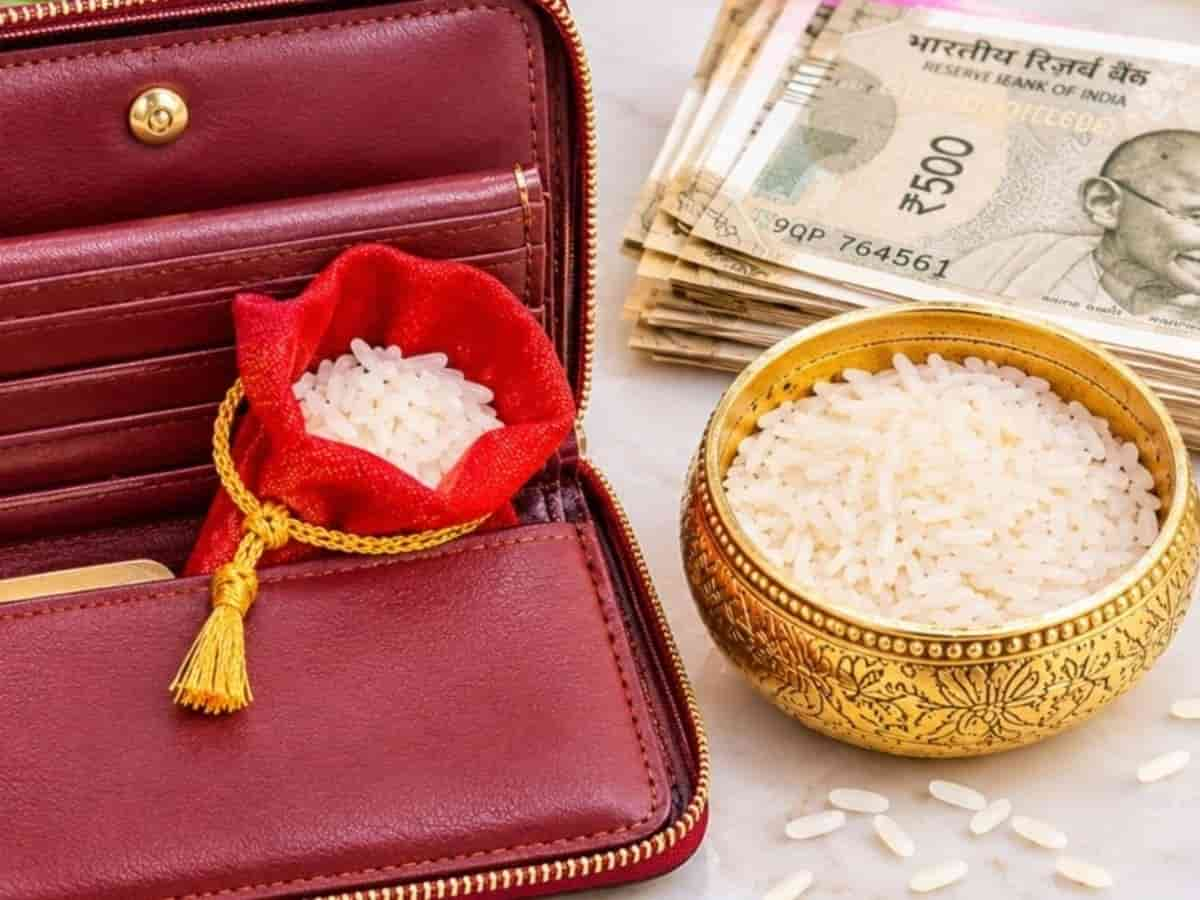
Despite earning a steady income, many people find themselves puzzled by why money slips through their fingers before the month even ends. Unexpected household repairs, impulsive online purchases, and recurring cash crunches can quietly erode savings, leaving wallets perpetually light. In traditional Feng Shui—the ancient Chinese art of harmonizing personal energy with physical surroundings—a purse or wallet is far more than a leather accessory for holding cash and cards. Practitioners view it as a portable wealth vault whose internal environment directly mirrors and influences a person’s financial momentum. Among the simplest yet most enduring remedies recommended by Feng Shui consultants across India and East Asia is tucking a precise number of uncooked rice grains inside your wallet. Specifically, traditional Feng Shui guidelines advise keeping 21 unbroken grains of raw white rice wrapped neatly in a small piece of red paper or clean pouch inside a hidden compartment of your purse.
Why Feng Shui Recommends Exactly 21 Grains of Rice
In both Feng Shui symbolism and Indian spiritual traditions, rice has stood for nourishment, fertility, and material abundance for thousands of years. Because ancient agrarian societies measured real prosperity by the fullness of their granaries rather than paper currency, carrying grains of rice came to represent an uninterrupted supply of resources. The choice of 21 grains is rooted in numerological balance, as the number 21 combines the initiating energy of 2 and 1 into a vibration of completeness, steady growth, and sustained fortune. While certain regional practices occasionally suggest 7 or 11 grains, Feng Shui experts widely favor 21 grains because it symbolizes continuous replenishment without overwhelming the subtle energy of the wallet. In Indian households, where unbroken rice—known as Akshat—is considered sacred to Goddess Lakshmi and used in every auspicious ritual, this Feng Shui practice resonates naturally with local cultural beliefs.
Key Financial Benefits of Keeping Rice in Your Wallet
Practitioners who follow wallet Feng Shui point to several practical and energetic benefits when 21 grains of rice are kept properly inside a purse. First and foremost, the remedy is believed to curb impulsive and unnecessary spending. Every time you open your wallet to pay for an unplanned purchase, the presence of the rice packet acts as a subconscious mindfulness anchor, reminding you to value hard-earned money and distinguish genuine needs from fleeting wants. Second, Feng Shui teaches that a completely empty wallet radiates scarcity and blocks incoming financial opportunities. Keeping rice grains inside ensures your purse is never energetically hollow, helping stabilize cash flow and prevent sudden financial drains. Additionally, raw rice is thought to absorb stagnant or negative vibrations accumulated from handling currency circulated through countless hands, keeping your personal money space fresh and receptive to new income streams.
Step-by-Step Guide to Placing Rice Grains Correctly
To get the intended results from this Feng Shui practice, how you prepare and store the rice matters just as much as the count itself. Start by selecting 21 whole, unbroken grains of clean, uncooked white rice, carefully inspecting each grain to ensure none are chipped, cracked, or discolored, as damaged grains symbolize fractured luck. Place the 21 grains onto a small square of red paper or red silk cloth—since red represents auspicious fire energy and activates wealth luck in Feng Shui—and fold it securely so the grains cannot spill loose inside your bag. If you prefer added protection against moisture during India’s humid monsoon months, you can slip the folded red packet into a tiny transparent zip-lock pouch. Tuck this packet into an inner zippered pocket or hidden slot of your wallet where it will not get crushed by coins, keys, or heavy cards. Avoid placing it directly next to old receipts or expired coupons, as clutter neutralizes positive energy.
When and How to Replace the Rice Grains
Because rice is an organic, living seed in energetic terms, Feng Shui masters emphasize that it should never be left inside a purse indefinitely until it turns dusty or stale. Over time, the grains absorb stagnant vibrations from daily financial transactions and lose their fresh potency. Experts recommend refreshing the 21 grains once every 21 to 30 days—ideally on a Friday, which is associated with Venus and Goddess Lakshmi in Indian tradition, or on the day of a New Moon when setting fresh financial intentions. When replacing the packet, never throw the old rice grains into a dustbin or step on them, as disrespecting food grains is considered inauspicious across both Vastu and Feng Shui philosophies. Instead, scatter the old grains outdoors for birds to eat or place them gently at the base of a healthy indoor plant or tulsi pot before inserting 21 fresh grains into your wallet.
Essential Wallet Habits That Amplify Feng Shui Results
While keeping 21 grains of rice in your purse serves as a powerful symbolic tool, Feng Shui consultants stress that it works best alongside disciplined everyday wallet hygiene. Make it a weekly habit to clear out crumpled ATM slips, expired bills, and unnecessary visiting cards, as Feng Shui views old receipts as records of outgoing money that block fresh wealth from entering. Always arrange currency notes neatly in ascending order without folding or crumpling them, showing respect for the money you already possess. Avoid carrying torn notes, damaged debit cards, or photos of departed relatives inside your wallet, and ensure your purse itself is in good condition without frayed edges or broken zippers. By pairing this mindful 21-grain rice ritual with smart budgeting, regular savings, and an organized wallet, you create a grounded financial mindset that naturally attracts stability and long-term prosperity.