North India Statesman
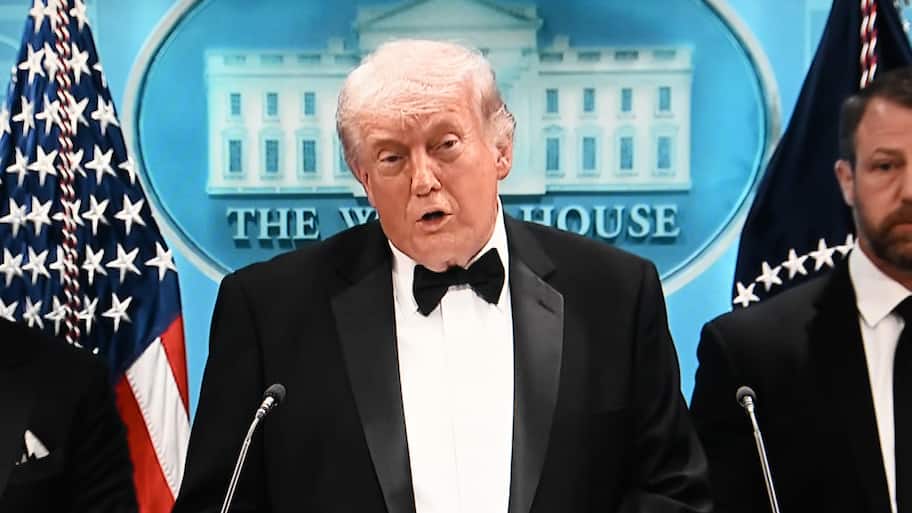
US President Donald Trump has issued a firm stance on potential diplomatic negotiations with Tehran, asserting that Washington will only agree to an arrangement that firmly meets American expectations. Speaking out as the conflict approaches a critical turning point, Trump stated that while Iran appears eager to negotiate, the country is not yet prepared to accept the necessary terms. The remarks set a tough benchmark ahead of anticipated high-level discussions with Gulf leaders scheduled around the United Nations General Assembly in New York.
Firm Bargaining Stance Ahead of UNGA
Addressing ongoing diplomatic efforts, Trump remarked that negotiations will proceed strictly on US terms. Emphasizing his deal-making doctrine, he highlighted that the administration is prepared to walk away entirely if an agreement does not satisfy vital strategic prerequisites. The statements arrive as the White House formulates its broader post-war strategy, aiming to curb regional volatility while maintaining maximum leverage.
Consultations with Gulf Cooperation Council Leaders
The prospective diplomatic roadmap is slated to be a focal point during Trump’s planned meetings with leaders and foreign ministers representing the six Gulf Cooperation Council (GCC) nations: Saudi Arabia, the United Arab Emirates, Qatar, Bahrain, Kuwait, and Oman. Regional allies have directly absorbed the impact of cross-border skirmishes and interruptions to vital oil and natural gas shipping corridors. The gathering provides Gulf partners an avenue to coordinate with Washington on post-conflict security, energy corridor safety, and containment measures against hostile proxy activities.
Legislative Friction in Washington
The diplomatic posturing coincides with sharp debate on Capitol Hill regarding presidential war powers. The US House of Representatives recently passed a 220–204 resolution aimed at restraining unilateral military operations against Iran without explicit congressional authorization, carving out exceptions strictly for defensive actions. Concurrently, lawmakers approved the Lindsey O. Graham Sanctioning Russia and Iran Act, granting the presidency broad discretion to implement punitive tariffs of up to 100 percent against nations continuing fossil fuel transactions with sanctioned regimes.