North India Statesman
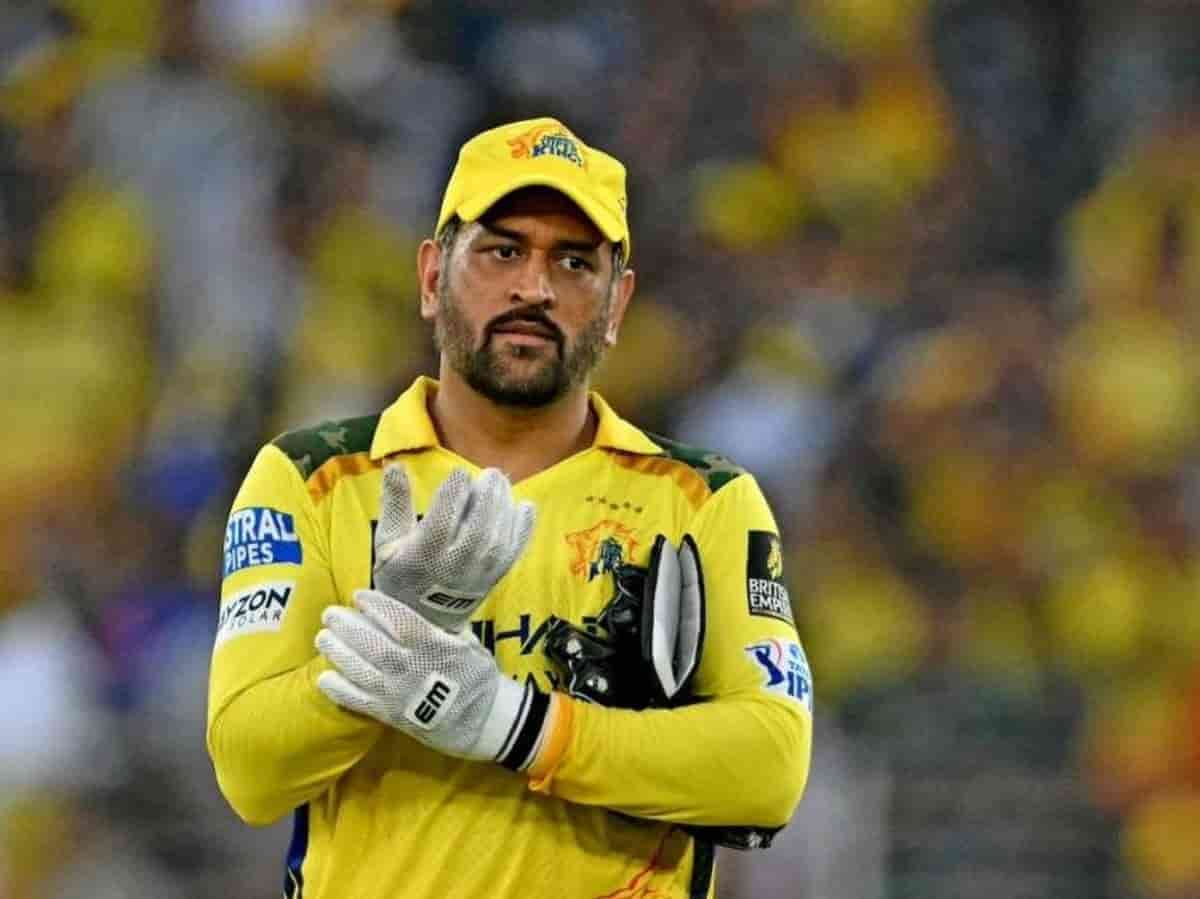
There was one man who could turn the game around from behind the stumps, and everyone across the cricketing world knows his name. As Mahendra Singh Dhoni officially brought the curtain down on his illustrious Indian Premier League playing career on Tuesday, November 17, 2026, that single sentiment echoed across social media feeds, television studios, and stadium stands from Chennai and Ranchi to Mumbai, Delhi, and Bengaluru. Over nineteen unforgettable IPL seasons, Dhoni proved that a match does not always pivot on a 150-kilometre-per-hour yorker or a hundred-metre six. Often, the decisive blow was struck quietly from twenty-two yards behind the striker, where a calm, calculating wicketkeeper adjusted a fielder by two paces, whispered a length change to a nervous bowler, or whipped off the bails before a batter’s back foot could even register danger.
Why MS Dhoni’s Tactical Vision From Behind the Wickets Was Unmatched
In modern Twenty20 cricket, where batters constantly invent unorthodox scoops and reverse sweeps, captains routinely scramble to contain the damage. Dhoni, however, operated as though he were watching the contest three overs ahead of everyone else on the ground. Positioned directly behind the stumps, he possessed the clearest possible angle on a batter’s trigger movement, grip change, and shoulder alignment. Spinners like Ravichandran Ashwin, Ravindra Jadeja, and Noor Ahmad frequently credited his real-time instructions from behind the timber for breakthroughs that looked effortless to television viewers. Even after handing over the Chennai Super Kings captaincy to Ruturaj Gaikwad ahead of the 2024 season, Dhoni remained the undisputed tactical nerve centre on the field, reading pitch behaviour and turning the Decision Review System into what fans affectionately dubbed the Dhoni Review System.
Lightning Glovework and Split-Second Instincts That Won Tight Matches
What separated Dhoni from every contemporary glovesman was not merely his game awareness, but the astonishing physical precision with which he executed split-second dismissals. Standard wicketkeeping coaching manuals emphasize textbook footwork and clean gathering before breaking the stumps, yet Dhoni rewrote the playbook with minimal backlift and pure hand-eye reflex. Whether collecting a wide delivery down the leg side to execute a blinding stumping or flicking the ball onto the timber without looking to catch a non-striker short of his ground, he turned half-chances into match-winning moments. Finishing his IPL career with more than 200 wicketkeeping dismissals across 278 appearances, Dhoni demonstrated time and again at Chepauk’s MA Chidambaram Stadium and away venues across India that razor-sharp glovework can choke a chase just as effectively as death-over pace bowling.
How Rival Franchises and Teammates Saluted Thala’s Farewell
The announcement that Dhoni would not be retained as a player for IPL 2027 and would instead take charge as Chennai Super Kings’ Team Mentor sparked an immediate outpouring of emotion across rival dressing rooms. CSK skipper Ruturaj Gaikwad shared an emotional message noting that sharing the twenty-two yards and finishing games alongside him was what dreams are made of, declaring that he will forever remain their captain and leader. Across the league, fierce rivals put competitive history aside to honour an irreplaceable icon. Royal Challengers Bengaluru thanked him for nearly two decades of last-ball finishes and a calm that never cracked, while Delhi Capitals admitted that fans had taken his presence for granted and that the IPL will never feel the same without him. Kolkata Knight Riders wrote that the helicopter had landed one final time, and Mumbai Indians joined the chorus with a simple tribute acknowledging a rivalry that defined Indian franchise sport for nearly twenty years.
From Ranchi’s Local Grounds to Chepauk’s Eternal Icon
Dhoni’s journey from a ticket collector in Kharagpur and a small-town prodigy in Ranchi, Jharkhand, to becoming the adopted heartbeat of Tamil Nadu remains one of Indian sport’s greatest cultural stories. When Chennai Super Kings signed him for a then-record six crore rupees ahead of the inaugural 2008 auction, few could have predicted how deeply the bond between a quiet leader from eastern India and the passionate fans of Chennai would grow. Under his stewardship, CSK lifted five IPL trophies in 2010, 2011, 2018, 2021, and 2023 alongside two Champions League T20 titles, while Dhoni himself piled up 5,439 IPL runs at a strike rate of 137.45. Reflecting on their two-decade journey, CSK co-owner N Srinivasan remarked that there is no Chennai Super Kings without MS Dhoni, and reports following his retirement indicate the franchise is also preparing to retire his iconic No. 7 jersey in honour of his unmatched service.
What Happens Next as MS Dhoni Steps Into the CSK Dugout
Though supporters will no longer see Dhoni sprinting between the wickets or crouching behind the stumps in yellow pads, his influence over Chennai Super Kings is far from over. Having missed the 2026 campaign due to injury before quietly telling franchise officials during retention discussions to place his name on the release list, the 45-year-old now transitions directly into the role of Team Mentor ahead of the December 16 mini-auction in Goa. Inside the CSK dugout, young Indian batters, emerging wicketkeepers, and overseas recruits will still lean on his unmatched composure during tense chases and tactical timeouts. Cricket will inevitably produce new big hitters and charismatic captains in the years ahead, yet whenever a tight game hangs by a thread in the final over, millions of fans will still instinctively look toward the space behind the stumps—remembering the one man whose name needs no introduction.