North India Statesman
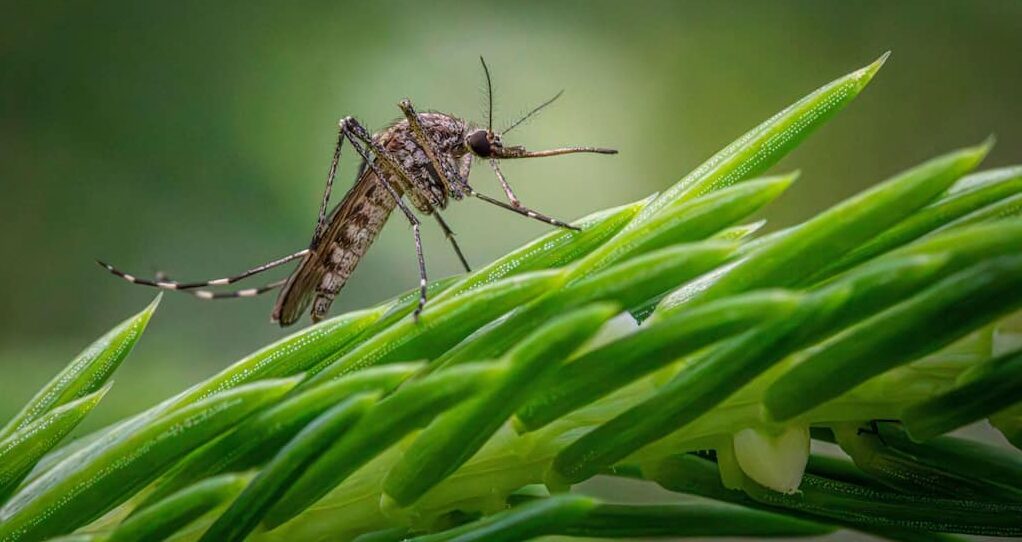
India has achieved a landmark public health turnaround over the past decade, slashing both malaria infections and related fatalities by nearly 80 per cent between 2015 and 2025. Yet just as the country enters the decisive final stretch toward eliminating the mosquito-borne disease by 2030, President Droupadi Murmu has sounded a timely warning that shifting climate patterns, rapid unplanned urbanisation, and growing insecticide resistance in mosquitoes could undo hard-won gains. Addressing scientists, clinicians, and health policymakers in New Delhi on November 17, 2026, during the inauguration of the year-long Golden Jubilee celebrations of the Indian Council of Medical Research–National Institute of Malaria Research (ICMR–NIMR), the President underscored that while India’s progress has earned global recognition, complacency during this pre-elimination phase carries severe risks.
How India Achieved an 80 Per Cent Reduction in Malaria
For decades after independence, seasonal malaria outbreaks disrupted everyday life across rural and tribal India, forcing schoolchildren out of classrooms and sidelining farmers and daily-wage workers during peak monsoon months. Over the ten-year period from 2015 to 2025, sustained nationwide interventions dramatically altered that trajectory. According to official health data highlighted at the ICMR–NIMR milestone event, the number of high-burden malaria districts across the country dropped sharply from 155 to just 33. Even more notably, 160 districts reported zero indigenous malaria cases between 2022 and 2025, demonstrating that local mosquito-to-human transmission has been successfully interrupted across vast swathes of the nation. Despite accounting for roughly 16 per cent of the world’s population, India now contributes only around 0.7 per cent of global malaria cases and 0.6 per cent of global malaria deaths, an achievement that led the World Health Organization (WHO) to formally remove India from its High Burden to High Impact (HBHI) group in 2024.
Why Climate Change and Urbanisation Threaten India’s Gains
While celebrating five decades of scientific research at ICMR–NIMR, President Murmu emphasised that environmental and biological shifts are creating fresh breeding grounds and extending transmission windows for disease-carrying vectors. Erratic monsoon rainfall, prolonged high humidity, and rising ambient temperatures allow Anopheles mosquitoes to survive longer, reproduce faster, and expand into higher altitudes and newer geographical zones previously unaffected by seasonal outbreaks. Simultaneously, unplanned urban expansion and construction-related waterlogging are turning fast-growing cities and peri-urban towns across states like Uttar Pradesh, Maharashtra, Odisha, and Chhattisgarh into vulnerable pockets for urban malaria and dengue. Compounding the environmental challenge is biological adaptation, as local mosquito populations increasingly develop resistance to conventional chemical insecticides used in indoor residual sprays and bed nets.
What Is Required to Eliminate Malaria in India by 2030?
India has set an ambitious national target of achieving zero indigenous malaria cases by 2027 and complete malaria elimination certification by 2030. Speaking alongside the President, Union Health Minister J.P. Nadda and senior ICMR leadership stressed that reaching this milestone requires transitioning from broad nationwide campaigns to hyper-local micro-stratification. Because residual malaria transmission is now heavily concentrated in specific forested, tribal, and hard-to-reach border districts, frontline health workers must screen every fever case promptly using rapid diagnostic tests and administer complete courses of artemisinin-based combination therapies (ACT). Alongside ongoing indigenous vaccine research and next-generation vector control tools at ICMR–NIMR, public health experts note that everyday citizen participation—preventing water stagnation around homes, clearing clogged drains, and using long-lasting insecticidal nets—will ultimately determine whether India locks in its historic 80 per cent decline and achieves a malaria-free future.