North India Statesman
[ad_1]
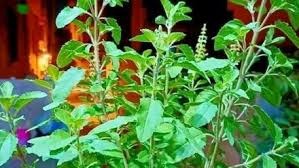
News India Live, Digital Desk: The month of December is in full swing and severe cold and fog have started in North India. In such a situation, we are more worried about the ‘Tulsi’ growing in the courtyard of our house than ourselves. You must have also noticed that these days basil leaves suddenly start turning black or dry up and fall. Actually, Tulsi is a sensitive plant which cannot tolerate excessive dew and fog.
Often people cannot understand why their plant is drying up even after doing everything. If you are also struggling with the same problem, then believe me it is not a big problem, just a little caution and some old remedies are enough.
1. Don’t make the mistake of watering too much
In winter, we often make the mistake of offering water by filling a pot every day like in summer. There is less sunlight in winter, due to which the soil does not dry out. If the roots are always filled with water, fungus will grow in them and the plant will rot from within. You should water only two or three times a week, or when the top soil looks completely dry.
2. Blow a thin scarf
This is not just a matter of faith, there is also a scientific reason behind it. The dew that falls at night falls directly on the leaves, due to which the leaves cool and turn black. In the evening, cover your basil with a thin muslin chunri or cotton cloth and remove it in the morning when the sun rises. It works like an ‘insulator’.
3. Leave the attachment to ‘Manjaris’
If there are a lot of anthers (seeds) on your basil, remove them immediately. Experts say that when the seeds appear, the entire energy of the plant goes into making seeds and its lifespan starts decreasing. Removing them from time to time provides space for new shoots to bloom and the basil always remains green.
4. Magic of turmeric and neem
In winter, the risk of ants or small insects getting into basil increases. In such a situation, instead of any chemical fertilizer, pick up some ‘turmeric’ from your kitchen and mix it in the soil near the roots. Turmeric is an excellent anti-biotic that prevents fungus and insects from reaching the roots.
5. Sunshine is the greatest medicine
Tulsi loves sunlight. If your plant is in a place where there is shade, try to shift it for a few hours to a place where it can get lukewarm sunlight.
final advice
Tulsi is a symbol of purity and positivity in our home. If you treat it not just as a plant, but as a member of the house, then it will keep your house fragrant and green for years, not just this winter.