North India Statesman

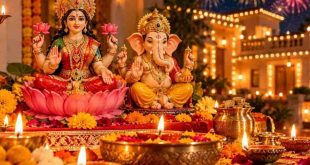
During Sharadiya Navratri, installing the idol of Goddess Durga—known as Murti Sthapana alongside Ghatasthapana—is not merely a ceremonial decoration; it is an invocation of living divine cosmic energy into the household. Across cities from Varanasi and Prayagraj to Ahmedabad and Kolkata, millions of devout families dedicate nine continuous days to worship, fasting, and mantra recitation. Ancient Vedic scriptures and Agamic traditions emphasize that the period following the consecration carries high spiritual sensitivity. Establishing the deity’s presence invokes powerful sattvic vibrations, requiring household members to observe strict behavioral, environmental, and ritual discipline to ensure the full spiritual benefit of the festival.
Mistake 1: Leaving the House Completely Locked or Empty
Once the sacred idol of Maa Durga is invoked and established on the altar, the home is recognized as a living shrine of the Goddess. The primary rule of Navratri Shastra states that the house must never be left completely vacant, locked, or deserted for an extended period throughout the nine holy days. Leaving an established deity unattended creates spiritual disharmony and signals negligence toward the divine presence you have invited. If family members must travel for work or errands, at least one responsible devotee should remain at home to watch over the altar, ensure the space remains peaceful, and maintain the daily cycle of morning and evening reverence without disruption.
Mistake 2: Neglecting the Akhand Jyoti and Worship Timing
Many households establish an Akhand Jyoti—an unbroken sacred flame powered by pure cow ghee or sesame oil—alongside the idol. Allowing this eternal lamp to flicker out, dry up due to a lack of fuel, or extinguish mid-festival is considered inauspicious in Vedic astrology, often symbolizing financial stagnation or personal distress. Even if you do not light an eternal flame and instead opt for daily morning and evening aartis, skipping scheduled prayer times or delaying the bhog offering disrupts the rhythm of devotion. Ensure the lamp wick is adjusted with care using a clean stick, keep a glass guard over the flame to block drafts, and never touch the puja setup with unwashed hands.
Mistake 3: Breaking Sattvic Living and Allowing Domestic Discord
The atmosphere within the home directly impacts the sacred aura of the installed idol. Introducing non-vegetarian food, alcohol, onions, or garlic into the kitchen severely disrupts the ritual purity demanded by Goddess worship. Equally damaging, however, is emotional and behavioral toxicity. Engaging in bitter domestic disputes, using abusive speech, shouting, or harboring deceitful intent within the vicinity of the altar repels divine grace and invites planetary afflictions. Devotees observing the sacred period must also maintain celibacy (brahmacharya), avoid cutting hair or nails, and refrain from sleeping late into the morning while the Goddess resides in their sanctuary.
Essential Rules to Attract Eternal Prosperity and Peace
To gain the complete spiritual blessings of Maa Durga, conduct the morning and evening aartis at uniform times each day, offering fresh seasonal fruits, batashas, and fragrant red flowers like hibiscus or roses. Clean the temple floor daily with fresh water mixed with a drop of holy Ganga Jal, and light pure guggal or camphor in the evening to dispel stagnant negativity. Recite the sacred Durga Saptashati or chant the Navarna Mantra (“Om Aim Hreem Kleem Chamundaye Vichche”) with clear focus. By observing these timeless Vedic guidelines, devotees protect their homes from negativity, resolve persistent financial blockages, and welcome enduring harmony and peace.