North India Statesman
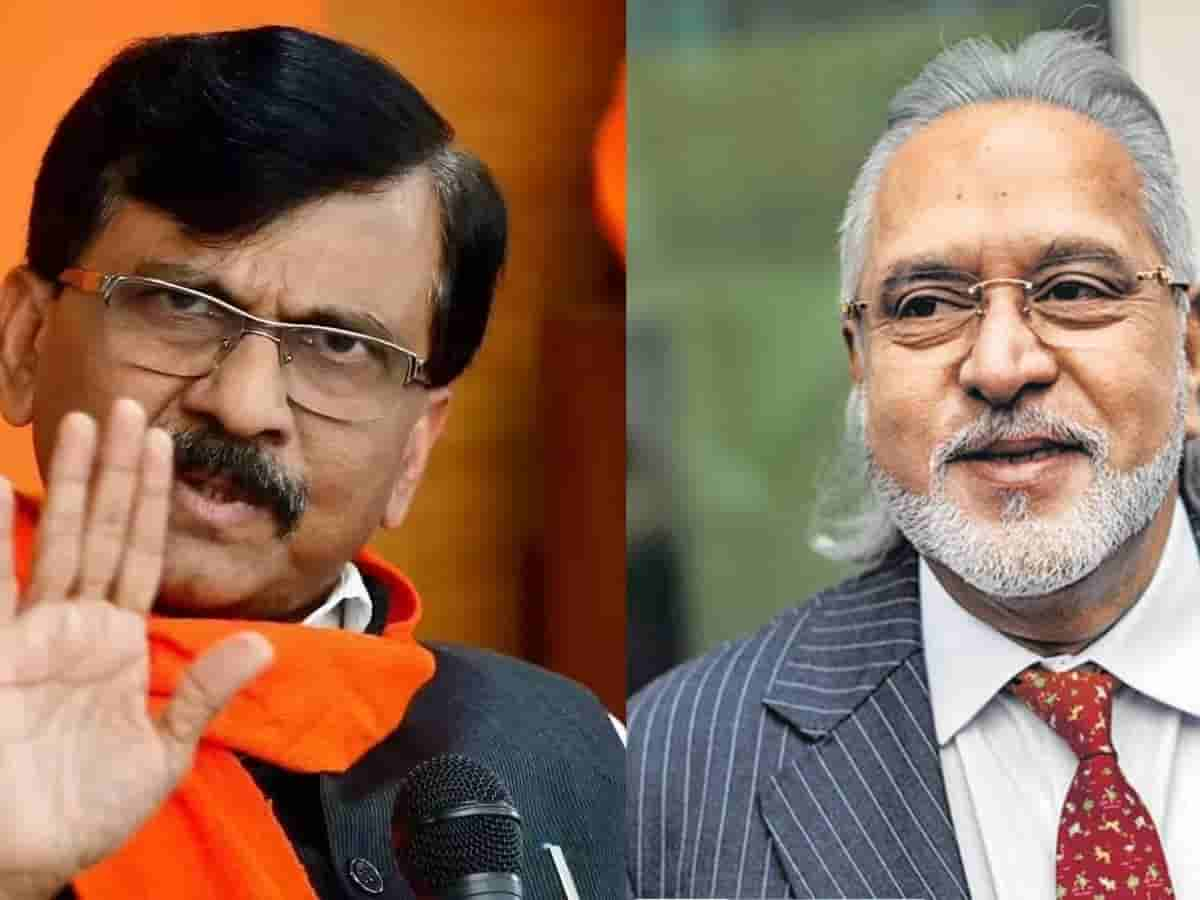
Senior Shiv Sena (UBT) leader and Rajya Sabha MP Sanjay Raut has triggered a major political debate ahead of the launch of his new book, Bodh Kirtan, by mounting an outspoken defense of former liquor baron and Kingfisher Airlines promoter Vijay Mallya. In a dedicated chapter of the book—slated for release in the presence of Uddhav Thackeray and Raj Thackeray—Raut strongly objects to Mallya being categorized as a “fraud” or a “fugitive” (bhagoda), asserting that the businessman never intended to cheat anyone and was forced to leave India following the collapse of his airline venture. Describing Mallya as an open-hearted individual who was deeply committed to his country, Raut’s claims have sparked intense discussion across political, business, and legal corridors.
Personal Bonds in Parliament: “More Patriotic Than Many Politicians”
Reflecting on their shared tenure in the Upper House of Parliament, where the two often sat close to one another in the benches and engaged in discussions in the Central Hall, Raut writes that he knew Mallya closely. The parliamentarian portrays Mallya as approachable, genial, and misunderstood due to his high-profile public persona.
“Vijay Mallya was cheerful, generous, and far more patriotic than many parliamentary leaders. His opulent lifestyle created significant public misconceptions about him, but that was perhaps a requirement of the global business landscape he operated in. He had no intention of defrauding anyone.”
Raut asserts that labeling the two-term Rajya Sabha MP as an economic fugitive distorts the true reality of a genuine commercial failure, reducing a complex industrial crisis into an oversimplified crime narrative.
The Collapse of Kingfisher: “Needed Breathing Room, Not a Bailout”
Delving into the financial tailspin that led to Kingfisher Airlines’ grounding and subsequent loan defaults, Raut points fingers at institutional lenders for failing to extend timely restructuring support. According to the Shiv Sena (UBT) MP, Mallya did not seek blanket loan waivers or charity from the state; rather, he needed temporary debt restructuring and breathing room to salvage the struggling aviation enterprise. Raut draws a sharp comparison with corporate debt practices over the past decade, arguing that while various industrialists quietly benefited from extensive write-offs and restructuring packages, Mallya faced aggressive regulatory action that left him with little choice but to leave the country.
Legal Context: The Long Road to Extradition
Vijay Mallya left India in March 2016 amid mounting scrutiny over unpaid bank loans tied to Kingfisher Airlines exceeding ₹9,000 crore. In early 2019, a special Mumbai court formally designated him a Fugitive Economic Offender under the Fugitive Economic Offenders Act (FEOA). While Indian investigative agencies, including the Enforcement Directorate (ED) and Central Bureau of Investigation (CBI), have pursued his extradition from the United Kingdom through British courts, legal hurdles and confidential proceedings have extended the process.
Beyond Mallya: Surprising Praise for PM Modi’s Cultural Speeches
The chapter on Mallya is not the only revelation raising eyebrows in Bodh Kirtan. In another section titled Deepstambh (Lighthouse), Raut offers unexpected praise for Prime Minister Narendra Modi’s non-political addresses. While remaining critical of the PM’s political rhetoric, Raut singles out Modi’s address on Lord Ram during the 2022 Ayodhya Deepotsav celebrations, calling it a poetic and emotionally resonant celebration of light that highlighted ideals every Indian should draw inspiration from. With its mix of political commentary, behind-the-scenes parliamentary anecdotes, and defense of controversial public figures, Raut’s upcoming memoir is set to trigger sharp cross-party debate in Maharashtra and nationally.