North India Statesman
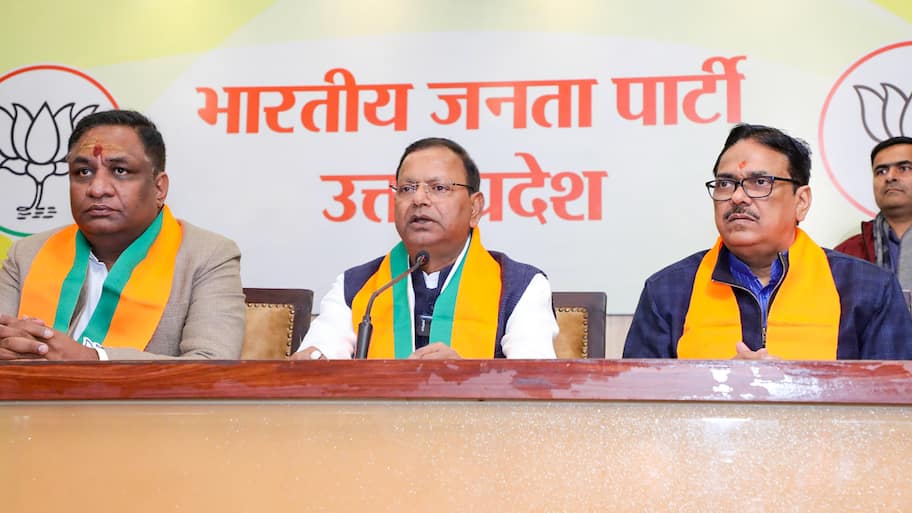
In a decisive political maneuver ahead of the 2027 Uttar Pradesh Assembly elections, the Bharatiya Janata Party (BJP) announced its roster of eight candidates for the upcoming Rajya Sabha elections from the state. In a clean sweep of its sitting representatives, the central leadership dropped high-profile incumbent MPs—including Union Ministers Hardeep Singh Puri and B.L. Verma—to make way for grassroots organizational workers. The candidate selection reveals a calibrated social engineering blueprint designed to confront Samajwadi Party (SP) chief Akhilesh Yadav’s influential PDA (Pichhda, Dalit, Alpsankhyak) plank with the saffron party’s own PDS (Pichhda, Dalit, Savarna) coalition.
Breaking Down the 8-Candidate Social Coalition
The party’s selection balances regional geography, gender representation, and caste equity across eight names:
-
Non-Yadav OBC Outreach (3 Seats): The party fielded UP Cabinet Minister Dharampal Singh (Lodhi community from Bareilly/Rohilkhand), UP OBC Morcha President Prakash Pal (Pal/Gaderia community), and Shruti Gangwar (Kurmi community and daughter of senior leader Santosh Gangwar). This solidifies non-Yadav backward class loyalties across western and central UP.
-
Dalit Consolidation (2 Seats): Nominees include former Barabanki MP Priyanka Singh Rawat (representing the Pasi community) and seasoned party functionary Vidyasagar Sonkar (representing eastern UP Dalit constituencies).
-
Retaining the Upper-Caste Core (3 Seats): To reassure its traditional voting base and counter Brahmin discontent, the BJP picked senior advocate Radhakant Ojha and long-time organizational leader Gopi Krishna Pandey, alongside Rajput leader and UP state general secretary Ram Pratap Singh Chauhan.
-
Gender Representation: Both Priyanka Singh Rawat and Shruti Gangwar add prominent women’s representation to the parliamentary delegation.
Neutralizing the Samajwadi Party’s Caste Offensive
Following the opposition’s gains in general elections, the Samajwadi Party has aggressively consolidated backward and Dalit communities under its PDA umbrella while fielding national figures like Ram Gopal Yadav for the Upper House. By dedicating five out of eight slots to backward classes and Dalits, the BJP is countering the SP narrative that backward empowerment remains exclusive to one family or a single dominant community. Concurrently, by ensuring prominent representation for Brahmins and Rajputs, the ruling party avoids alienating its foundational upper-caste electorate.
Strategic Takeaways for the 2027 Assembly Roadmap
With 289 MLAs in the 403-member state assembly (including NDA partners Apna Dal, RLD, SBSP, and NISHAD Party), the BJP is mathematically assured of securing eight seats outright based on the 37-vote-per-seat threshold. Rather than using the Upper House for accommodating national technocrats or Delhi-centric veterans, the party’s high command has strategically converted these parliamentary berths into an ideological springboard, rewarding loyal grassroots organizers and signaling durable caste parity well in advance of the 2027 state battle.