North India Statesman
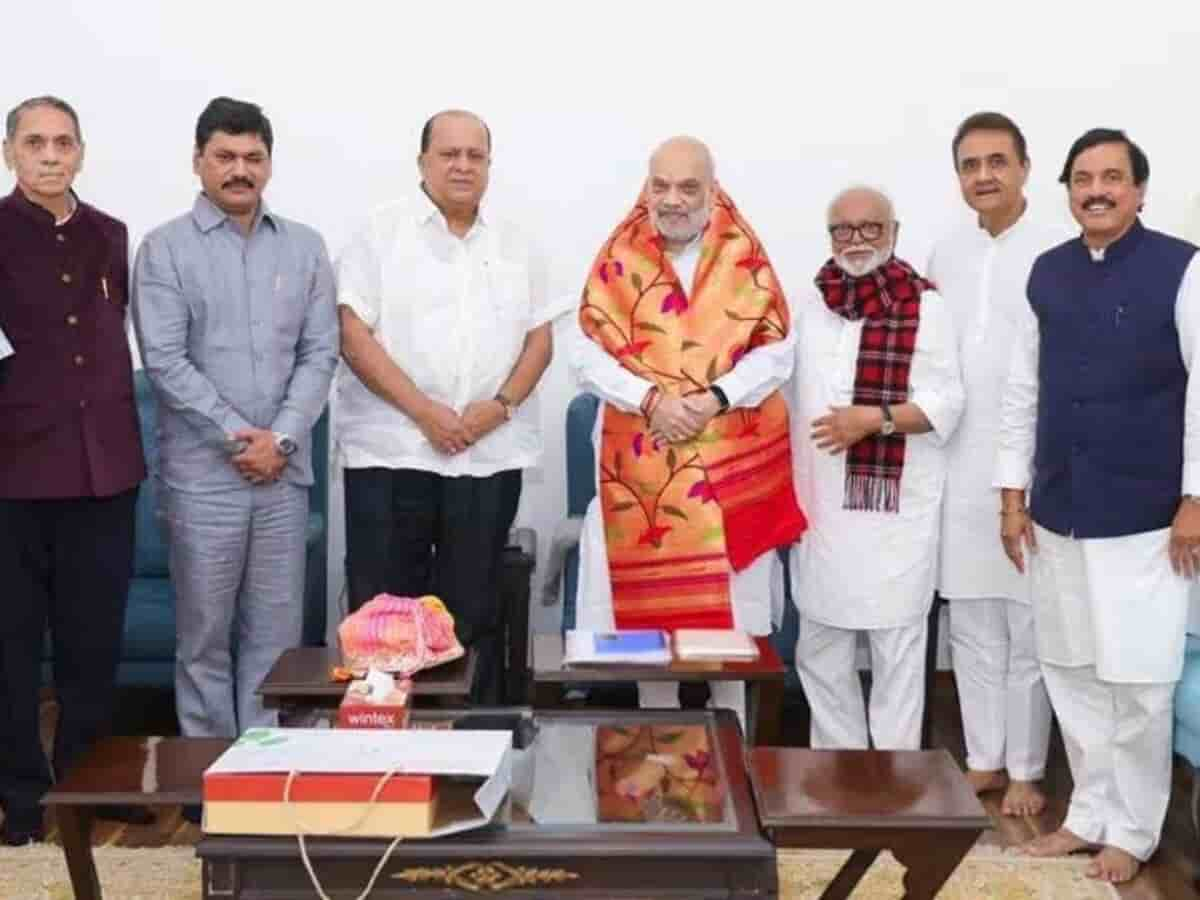
Maharashtra politics has been jolted by a sharp internal tremor as a delegation of heavyweight Nationalist Congress Party (NCP) leaders quietly flew to New Delhi to hold a closed-door meeting with Union Home Minister Amit Shah. The delegation featured the party’s topmost founding leadership—including National Working President Praful Patel, state unit chief Sunil Tatkare, Chhagan Bhujbal, Dilip Walse Patil, Hasan Mushrif, Dhananjay Munde, and Sameer Bhujbal. What ignited a media firestorm, however, was not just the meeting itself, but who was noticeably left behind: party president and Maharashtra Deputy Chief Minister Sunetra Pawar, alongside her elder son Parth Pawar and younger son Jay Pawar. The high-profile huddle in Delhi without the Pawar family has brought simmering friction to the surface, raising fundamental questions about growing operational distance, backroom control, and generational friction within the party.
Parth Pawar’s Rising Clout and the Veterans’ Discontent
At the heart of the brewing discontent lies the rapid operational rise of Parth Pawar. Following the demise of deputy CM Ajit Pawar, party elders had agreed to rally around Sunetra Pawar’s leadership to project family unity and preserve the grassroots voter base. However, senior leaders privately voice sharp discomfort over the growing day-to-day administrative interference of Parth Pawar in organizational appointments, candidate clearances, and government decision-making. Veteran stalwarts—many of whom have spent four decades shaping Maharashtra’s cooperative networks, legislative dynamics, and administrative machinery—reportedly feel sidelined and forced to navigate decisions filtered through unseasoned advisors. The discomfort turned into outright resistance following recent organizational shake-ups, including controversial executive appointments in Mumbai and regional belts, which bypassed conventional consensus among senior ministers.
The Baramati Precedent: A Pre-Emptive Meeting That Sparked Suspicion
The Delhi move was not an isolated impulse; it was a tactical counter-reaction. Days prior, on October 20, Sunetra Pawar and Parth Pawar had traveled to Delhi and held a private meeting with Amit Shah without looping in Praful Patel or Sunil Tatkare. That separate huddle sent alarm bells ringing among the old guard, prompting fears that the Pawar household was attempting to directly monopolize equations with the BJP central leadership. Determined to prevent party control from narrowing into an exclusive family run, the six heavyweight leaders organized their own delegation to present their ground realities directly to the BJP high command, which functions as the principal arbiter of the Mahayuti alliance.
High Stakes in the Mahayuti: Finance Portfolio and Legislative Losses
Beyond internal family tensions, the meeting at Shah’s residence was driven by urgent political necessities within the ruling Mahayuti coalition. The NCP has been persistently demanding the crucial Finance and Planning portfolio, which was held by late Ajit Pawar. Without control over finance, NCP ministers claim their constituency development funds and administrative muscle are severely curbed, weakening their competitive leverage against allies and opposition alike. This frustration was compounded by the NCP’s stinging loss in the Aurangabad (Chhatrapati Sambhajinagar) Graduates’ constituency in the Maharashtra Legislative Council elections—a strategic seat the party had held uninterrupted for 18 years. The defeat signaled clear coordination lapses on the ground and fueled anxiety among legislators that drift at the top could decimate their regional strongholds.
The Merger Whispers: Behind-the-Scenes Anxiety Over Sharad Pawar
Another critical layer fueling the trip to Amit Shah’s court revolves around persistent speculation regarding a potential rapprochement or merger between the two NCP factions. While party state president Sunil Tatkare formally dismissed the rumors after returning to Mumbai—declaring that “the curtains have drawn on the merger issue”—anxiety among legislators remains tangible. Senior ministers who broke away alongside Ajit Pawar are acutely aware that any backchannel reunification under the overarching shadow of party founder Sharad Pawar would drastically alter power equations, potentially eroding their standing and influence. By directly engaging Amit Shah, the veteran leaders sought firm reassurances regarding their political future, cabinet strength, and the long-term roadmap of the NDA alliance in western Maharashtra.
Official Damage Control: Denials, Core Meets, and What Lies Ahead
In the wake of public scrutiny, the party apparatus immediately activated damage-control protocols. NCP chief national spokesperson Umesh Patil dismissed talks of an internal coup, asserting that the delegation’s visit was pre-scheduled to address state policy issues and that Sunetra Pawar had been kept informed. Upon landing back in Mumbai, senior leaders held an urgent core committee session before briefing Sunetra Pawar. While leaders publicly insist that the party stands firmly united under Sunetra Pawar’s titular leadership, the underlying structural faultlines are unmistakable. Unless a clear governance compromise is reached defining the boundaries between family authority and veteran influence, the power friction between Parth Pawar’s emerging ambitions and the seasoned old guard could turn into a full-scale battle for the soul and symbol of the party.