North India Statesman
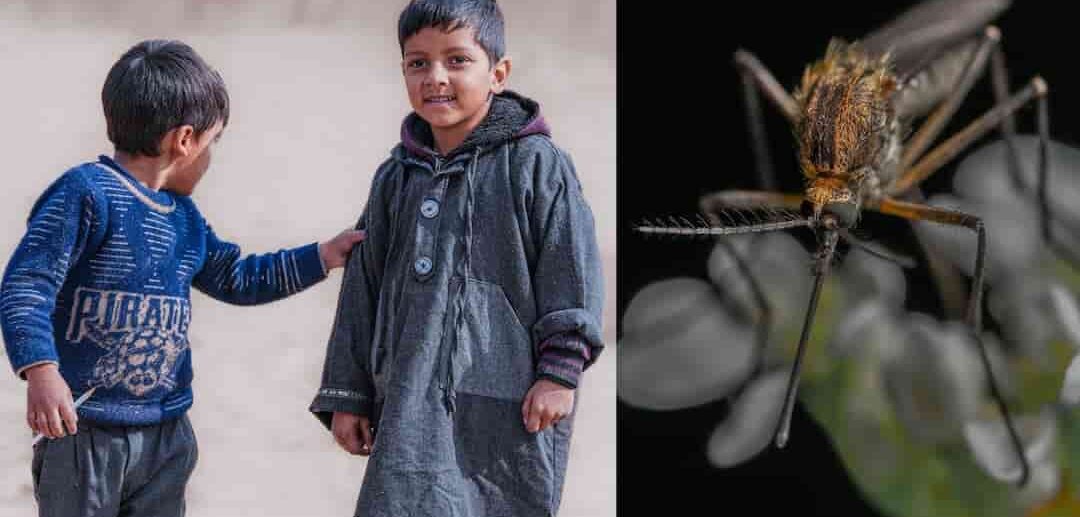
As autumn transitions into early winter across Uttar Pradesh and wider North India, mild daytime temperatures hovering near 22°C paired with lingering humidity create ideal survival conditions for disease-carrying mosquitoes. Health surveillance data from cities like Lucknow and surrounding districts such as Unnao and Kanpur shows that while monsoon downpours have receded, vector-borne infections led by dengue continue to pose a moderate-to-high seasonal risk. Public health specialists warn that families often lower their guard once rains stop, unknowingly allowing Aedes aegypti and Anopheles mosquitoes to thrive inside warm homes, schools, and neighbourhood lanes. Protecting households—especially young children whose immune systems are still developing—requires a coordinated strategy of eliminating indoor breeding spots, upgrading personal barrier protection, and recognising early fever symptoms before complications set in.
Why Changing Seasons Trigger Dengue and Malaria Outbreaks
Seasonal transitions between post-monsoon warmth and winter chill extend the lifespan of adult mosquitoes because moderate humidity prevents dehydration while cooler outdoor air drives insects indoors. According to the National Center for Vector Borne Diseases Control (NCVBDC) under the Ministry of Health and Family Welfare, Aedes aegypti—the primary carrier of dengue and chikungunya—breeds in small pockets of clean, stagnant water inside and around residential premises and bites predominantly during daytime hours. Conversely, the female Anopheles mosquito, which transmits malaria, breeds in marshy puddles and open drains and typically strikes between dusk and dawn. When daytime warmth alternates with chilly mornings and evenings across the Indo-Gangetic plain, residents frequently store water indoors or leave desert coolers and balcony planters unattended, inadvertently creating year-round nurseries for larvae.
Practical Steps to Protect Your Household From Mosquitoes
To effectively prevent dengue and malaria during shifting weather, households must eliminate stagnant water every week and install physical barriers on doors and windows. Public health advisories recommend observing a strict weekly “dry day” every Sunday to scrub and empty desert coolers, refrigerator drip trays, flower vases, bird baths, and unused containers on rooftops or balconies. Overhead water tanks and domestic storage drums must remain sealed with tight-fitting lids so female mosquitoes cannot lay eggs on the water surface. Fitting fine wire mesh screens on windows and doors stops mosquitoes from entering living spaces during late afternoons. Indoors, using insecticide-treated bed nets during sleep and deploying government-approved liquid vaporisers or pyrethrum-based indoor sprays during peak mosquito hours adds a reliable layer of protection without relying solely on municipal outdoor fogging, which has limited impact on indoor-resting Aedes mosquitoes.
Special Care to Safeguard Children at Home and School
Children face heightened vulnerability during seasonal transitions because early morning school commutes and late afternoon playground hours overlap directly with peak Aedes biting windows. Paediatricians across North India advise dressing school-going children in light-coloured, loose-fitting full-sleeved shirts, full-length trousers, and socks rather than shorts or half-sleeved uniforms. Before children leave for school or step out to play in parks, parents should apply paediatrician-approved, child-safe mosquito repellents—such as formulations containing DEET, picaridin, or natural citronella and lemongrass extracts—on exposed skin and clothing cuffs in accordance with label instructions. Infants and toddlers who nap during the daytime should always sleep under fine-mesh mosquito nets, as daytime bites account for a large share of paediatric dengue cases. Parents should also coordinate with school authorities to ensure classrooms, playground corners, and toilet blocks are regularly inspected for uncovered water containers or clogged drains.
Early Symptoms and Red Flags Every Parent Must Know
Early clinical identification separates uncomplicated recovery from life-threatening emergencies in both dengue and malaria. Dengue typically presents with a sudden high-grade fever, severe headache, pain behind the eyes, intense muscle and joint aches, nausea, and a characteristic skin rash. Malaria, by contrast, often triggers cyclical bouts of high fever accompanied by uncontrollable chills, rigors, profuse sweating, and body weakness. Parents should never ignore a persistent fever lasting more than 24 to 48 hours during seasonal shifts and must consult a qualified physician for timely diagnostic testing, such as dengue NS1 antigen or malaria parasite blood smears, rather than waiting for symptoms to escalate. Immediate hospitalisation is critical if a child exhibits any dengue warning signs, including severe abdominal pain, persistent vomiting, bleeding from the gums or nose, rapid breathing, cold and clammy skin, or extreme lethargy and restlessness.
Safe Home Care, Nutrition, and Medicines to Avoid
When a doctor confirms mild viral or vector-borne fever suitable for home management, aggressive hydration and strict medication safety form the cornerstone of recovery. Fever and reduced appetite rapidly deplete fluids in young children, making frequent sips of clean boiled water, World Health Organization-recommended Oral Rehydration Solution (ORS), fresh coconut water, homemade vegetable soups, and thin dal water essential throughout the day. A balanced diet rich in seasonal fruits, vitamin C, zinc, and easily digestible home-cooked meals supports immune resilience while the body clears the infection. Crucially, NCVBDC and paediatric clinical protocols strictly warn parents against self-medicating children with over-the-counter painkillers such as aspirin, ibuprofen, or diclofenac. Non-steroidal anti-inflammatory drugs can severely irritate the stomach lining and trigger dangerous internal bleeding if the fever turns out to be dengue. Only doctor-prescribed paracetamol in weight-appropriate doses and lukewarm water sponging should be used to keep body temperature below 38°C. By combining vigilant household sanitation, protective clothing, and prompt medical care, families can safely navigate the changing weather and keep children healthy through the winter transition.