North India Statesman
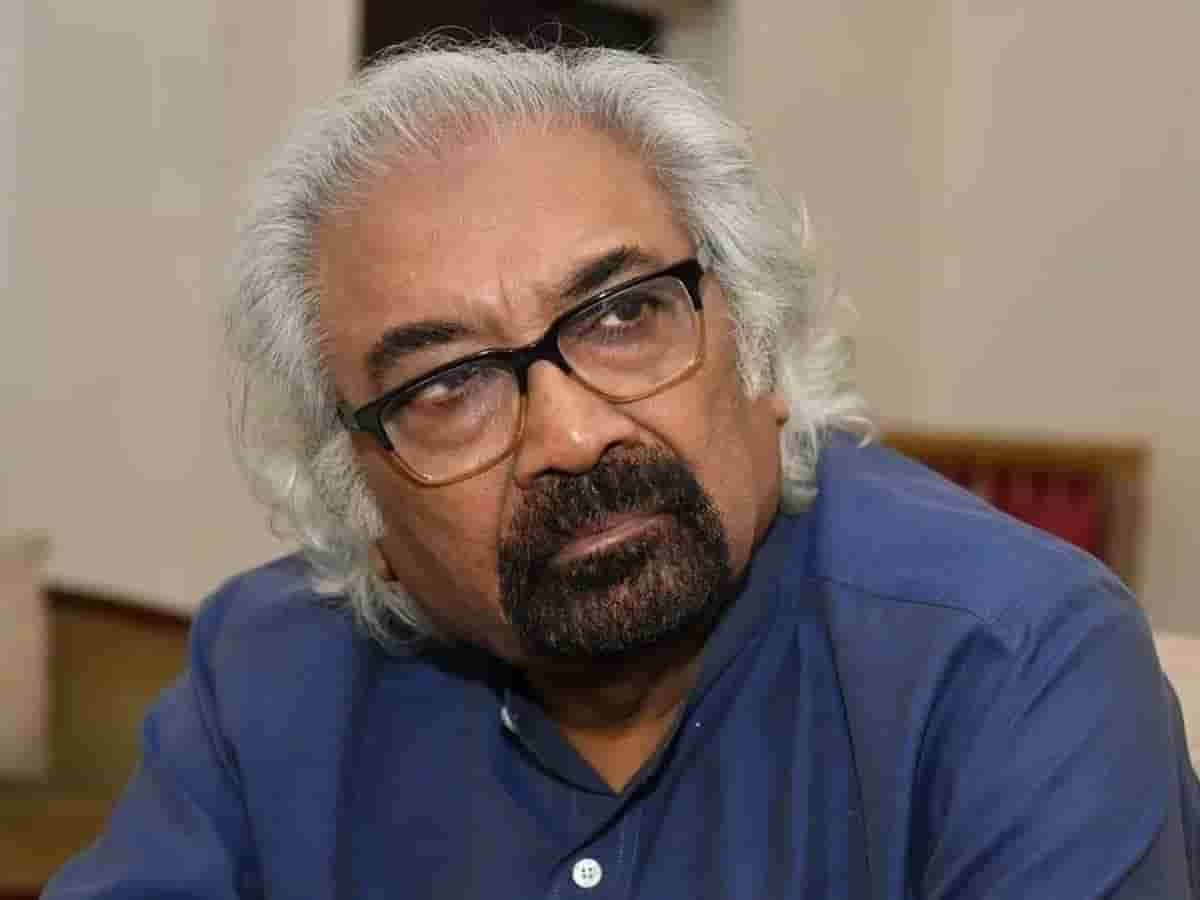
Senior Congress leader and Indian Overseas Congress (IOC) Chairman Sam Pitroda has struck a candid—and politically sensitive—note regarding his party’s ongoing campaign against the Special Intensive Revision (SIR) of electoral rolls, acknowledging that the agitation failed to gather momentum because India’s younger generation did not rally behind it. Speaking in an exclusive interview with India Today reported on Thursday, November 12, 2026, Pitroda observed that Gen-Z and young Indians are far more preoccupied with everyday bread-and-butter anxieties such as employment, quality education, and healthcare than with technical disputes over voter list revisions. His remarks stand in noticeable contrast to Leader of the Opposition Rahul Gandhi’s recent public messaging, which has framed the anti-SIR rallies as a successful defence of democratic institutions. Coming amid heated political debates across New Delhi, Patna, Lucknow, and Mumbai over electoral transparency, Pitroda’s blunt assessment has sparked fresh discussion inside and outside the Congress over what truly mobilises young voters in India.
Why Sam Pitroda Believes Youth Stayed Away From the SIR Campaign
Comparing the opposition’s anti-SIR demonstrations with earlier student-led agitations over competitive examination irregularities such as NEET, Pitroda explained why the electoral roll movement lacked street-level intensity. According to him, Indian youth today are primarily focused on securing jobs and reliable education. As a result, protests centred on the Special Intensive Revision of voter lists witnessed significantly lower turnout and urgency among students compared with campaigns directly tied to their academic and career futures. Evaluating the public response to Rahul Gandhi’s recent rallies, Pitroda emphasized that young citizens measure governance through tangible daily needs—functioning schools, fair recruitment exams, affordable healthcare, and economic opportunity—rather than procedural electoral debates.
Rejecting Foreign Influence Claims and Clarifying Support for Youth Protests
During the same interaction, Pitroda firmly pushed back against allegations from political rivals that recent youth-led protests in India were orchestrated or influenced by external actors. Dismissing such claims as baseless, the US-based technocrat stated that young Indians draw their inspiration directly from India’s own historical leaders and democratic traditions. Over recent months, Pitroda has repeatedly urged political parties—including those aligned with his own—not to hijack independent student movements over paper leaks and unemployment, arguing that young people must be allowed to articulate their frustrations in their own voice. Even while reiterating his personal concerns regarding the credibility of India’s election machinery and backing calls for institutional accountability, Pitroda advised younger citizens to stay focused on solving modern, real-world problems rather than getting trapped in unproductive political drama.
Political Reactions and Rahul Gandhi’s Upcoming Chicago Interaction
Pitroda’s frank admission that the anti-SIR agitation fell short of capturing Gen-Z imagination is expected to draw sharp responses from the ruling Bharatiya Janata Party (BJP), which has consistently accused the Congress of manufacturing controversy around routine Election Commission verification drives. Inside the Congress, strategists face a familiar dilemma: how to bridge the gap between institutional campaigns led by senior leadership and the immediate livelihood concerns of first-time and young voters. Meanwhile, Pitroda also shared updates on Rahul Gandhi’s upcoming international engagements, noting that the Congress leader is scheduled to participate in a high-profile discussion on November 18, 2026, at the University of Chicago alongside noted political scientist Professor Robert Pape. According to Pitroda, the Chicago dialogue will focus primarily on shifting global geopolitics, West Asia, and the Iran conflict, underscoring the party’s parallel effort to project its leadership across both domestic and international forums.