North India Statesman
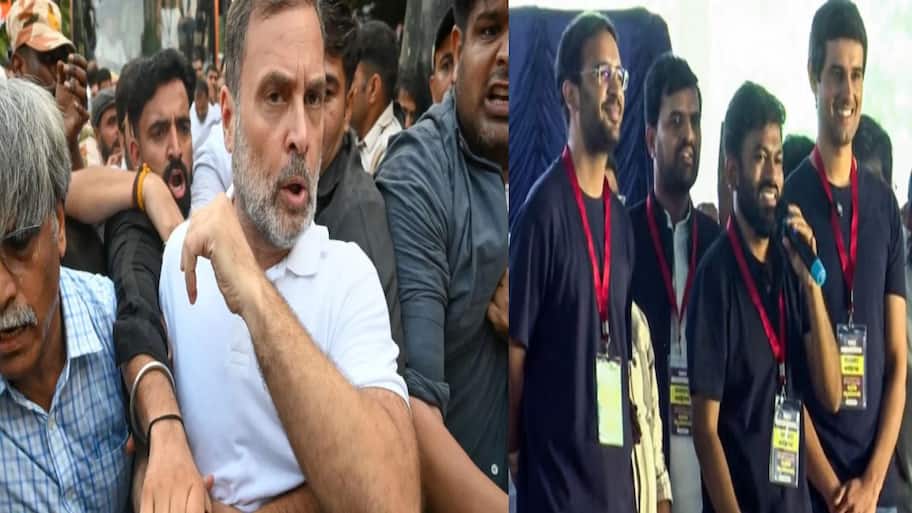
In the escalating political confrontation against Chief Election Commissioner (CEC) Gyanesh Kumar over the contentious Special Intensive Revision (SIR) of electoral rolls, the broader Opposition appears firmly united on the final objective: demanding institutional accountability, systemic rollbacks, and top-level resignations. Yet on the ground in the national capital, a striking tactical divide has unfolded. While parties such as the Aam Aadmi Party (AAP) and Left groups formally extended backing to demonstrations mobilized by the youth-driven Cockroach Janata Party (CJP) at Jantar Mantar, the Indian National Congress has noticeably stayed away from sharing the dais. Despite pursuing the same grievance against the same constitutional authority, the grand old party’s deliberate absence points to calculated political maneuvering, message discipline, and narrative ownership.
Retaining the Narrative: Congress Wants Rahul Gandhi in the Lead
The primary driver behind the Congress’s calculated distance is leadership centrality. For months, the Congress has methodically positioned Rahul Gandhi as the vanguard of the campaign against alleged electoral irregularities and voter-list discrepancies. From high-profile press conferences to nation-wide demonstrations staged by the Youth Congress across Delhi, Bengaluru, and state capitals, the party has constructed its political offensive around Gandhi’s interventions. Merging its cadre with an independent, youth-centric outfit like CJP risks ceding narrative control, diluting the party’s central leadership presence, and handing over the political spotlight to an external movement on an issue the Congress has relentlessly nurtured. By operating autonomously, the party ensures its political messaging remains undiluted and unmistakably under the Congress banner.
Institutional Politics vs. Disruptive Street Mobilisation
Beyond leadership optics, a fundamental difference in organizational DNA separates the two approaches. The Congress functions as a mainstream national party balancing street agitation with parliamentary procedures, state delegations, legal challenges, and structured outreach to the President of India and the judiciary. In contrast, the CJP operates as an insurgent activist collective whose influence is built on rapid viral mobilization, non-electoral agitational politics, and high-intensity confrontation. Co-hosting or participating in rallies driven by a decentralized movement leaves an established party vulnerable to unpredictable rhetoric, operational fallout, or radical turns that could compromise its institutional credibility ahead of crucial state assembly and national elections.
Avoiding a “Credit War” and Guarding Long-Term Strategy
Political observers also point out that joining an agitation orchestrated by an alternative platform would plunge the Congress into an unwanted credit-sharing contest. With an eye on long-term anti-incumbency consolidation and the run-up to the 2029 general elections, the party aims to remain the undisputed nucleus of opposition dissent. Sharing stage space with dynamic new-age movements carries the distinct risk of being overshadowed or appearing reactive rather than pioneering. Consequently, while the Congress welcomes peripheral pressure mounting on the Election Commission from all quarters, it is determined to fight its own battle, at its own tempo, and strictly on its own terms.