North India Statesman
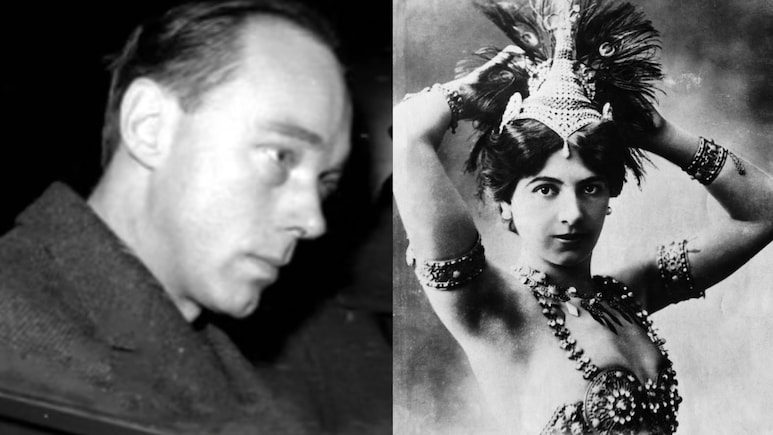
For centuries, intelligence agencies have utilized charm, romance, and psychological manipulation to extract state secrets. Popularly known as “honeytraps” or sexpionage, these covert operations leverage human vulnerabilities to bypass high-security defenses. From early twentieth-century dancers to modern corporate and political power corridors, let us examine five of the most talked-about intelligence scandals in history that shook powerful nations.
1. Mata Hari: The Legendary World War I Femme Fatale
Netherlands-born Dutch dancer Margaretha Geertruida MacLeod, globally recognized as Mata Hari, remains history’s most famous archetype of a romantic spy. During World War I, she cultivated intimate ties with high-ranking military officials across European capitals. Operating across rival lines, her charm allowed her to gather confidential intelligence before she was eventually arrested and executed by a French firing squad in 1917. Her legacy cemented the term honeytrap in public imagination.
2. The Profumo Affair: The Cold War Scandal That Rocked Britain
In 1963, British Secretary of State for War John Profumo became entangled in an intense relationship with 19-year-old model Christine Keeler. The controversy escalated when it was revealed that Keeler simultaneously shared ties with Yevgeny Ivanov, a naval attaché at the Soviet Embassy in London. The overlap between a high-ranking British minister and a Soviet intelligence contact triggered massive national security concerns. Profumo’s subsequent resignation shook the British government and remains a classic study in political vulnerability.
3. The Bernard Boursicot and Shi Pei Pu Case
One of the most bizarre and complex espionage operations unfolded during the Cold War when French diplomat Bernard Boursicot, stationed in Beijing, fell in love with Shi Pei Pu, a Chinese opera singer. Believing a multi-decade deception, Boursicot passed classified French diplomatic documents to Chinese intelligence over many years. The case highlighted how emotional attachment and long-term psychological conditioning can compromise seasoned government personnel.
4. The Katrina Leung and FBI Counter-Intelligence Case
In the modern era of counter-intelligence, the case of Katrina Leung exposed vulnerabilities within top-tier American security agencies. Operating as an informant for the Federal Bureau of Investigation (FBI), Leung maintained long-term personal relationships with bureau officials while simultaneously passing classified American intelligence to Chinese handlers. The high-profile legal battle underscored modern geopolitical espionage risks in Western institutions.
5. Modern Corporate and Political Sexpionage: The Expanding Frontier
Intelligence tradecraft has evolved beyond traditional government diplomacy into corporate technology and global economics. Modern counter-intelligence agencies across the United States, Europe, and Asia frequently issue warnings regarding targeted digital grooming, social engineering, and influencer-led approaches designed to compromise executives and lawmakers. These contemporary vectors prove that personal discretion remains a vital shield in protecting critical infrastructure and national security