North India Statesman
[ad_1]
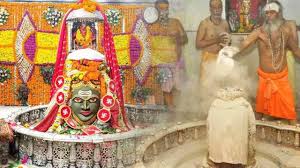
News India Live, Digital Desk: Ujjain, the city of the world famous Jyotirlinga Baba Mahakal, is known for its ancient traditions and mysteries. Devotees from all over the country and the world flock to see the ‘Bhasma Aarti’ held here. But there is a rule related to this Aarti which is often a topic of discussion – at a particular time of Aarti, women have to cover their faces with a veil or close their eyes. After all, what is the religious and mythological logic behind this? Let us know in detail.
Mandatory tradition of veil during Aarti
According to the rules of the Mahakal temple, during the Bhasma Aarti when ashes are offered to Lord Mahakal, women are not allowed to have darshan of the Lord. During this special process, women cover their faces with saree pallu or dupatta. It is believed that at the time of applying ashes, Baba Mahakal is in his formless form, seeing which is considered prohibited for women.
‘Digambara’ form of Lord Mahakal
According to mythological beliefs and temple priests, at the time of Bhasma Aarti, Lord Mahakal is in ‘Digambara’ form. Digambara means one who is without clothes and whose directions are clothes. In Hindu scriptures, it is prohibited for women to see the Digambara form of any man (even if he is Shiva in person). To maintain this dignity and respect, this tradition has been going on for centuries.
Bhasma Aarti and Tantric significance
Mahakal Temple of Ujjain is the only Jyotirlinga where there is a tradition of Aarti with the ashes of cremation (at present it is the ashes of cow dung made from Kapila cow). Bhasma Aarti is considered a part of a Tantric process. It is said that the energy level is very high during the Aarti. At that special moment of applying ashes, Mahadev is in a state of complete renunciation, hence as a matter of decorum, women wear veil at that time.
Dress code also has to be taken care of
Not just the veil, there is a special dress code prescribed for both men and women to attend Bhasma Aarti. Men are required to compulsorily wear ‘Dhoti’ and Sola, while women are required to wear ‘Saree’. Women without wearing saree are not allowed to enter Nandi Hall or near the sanctum sanctorum. After the Aarti is completed and the Lord is adorned, women can have darshan again.
Confluence of devotion and dignity
This tradition of Mahakal is not a symbol of any discrimination, but is a part of deep religious faith and dignity. The temple administration and devotees believe that only by following these rules, the full results of the puja are achieved. This journey of Baba Mahakal from incorporeal to corporeal form is full of reverence and thrill for every devotee.