North India Statesman
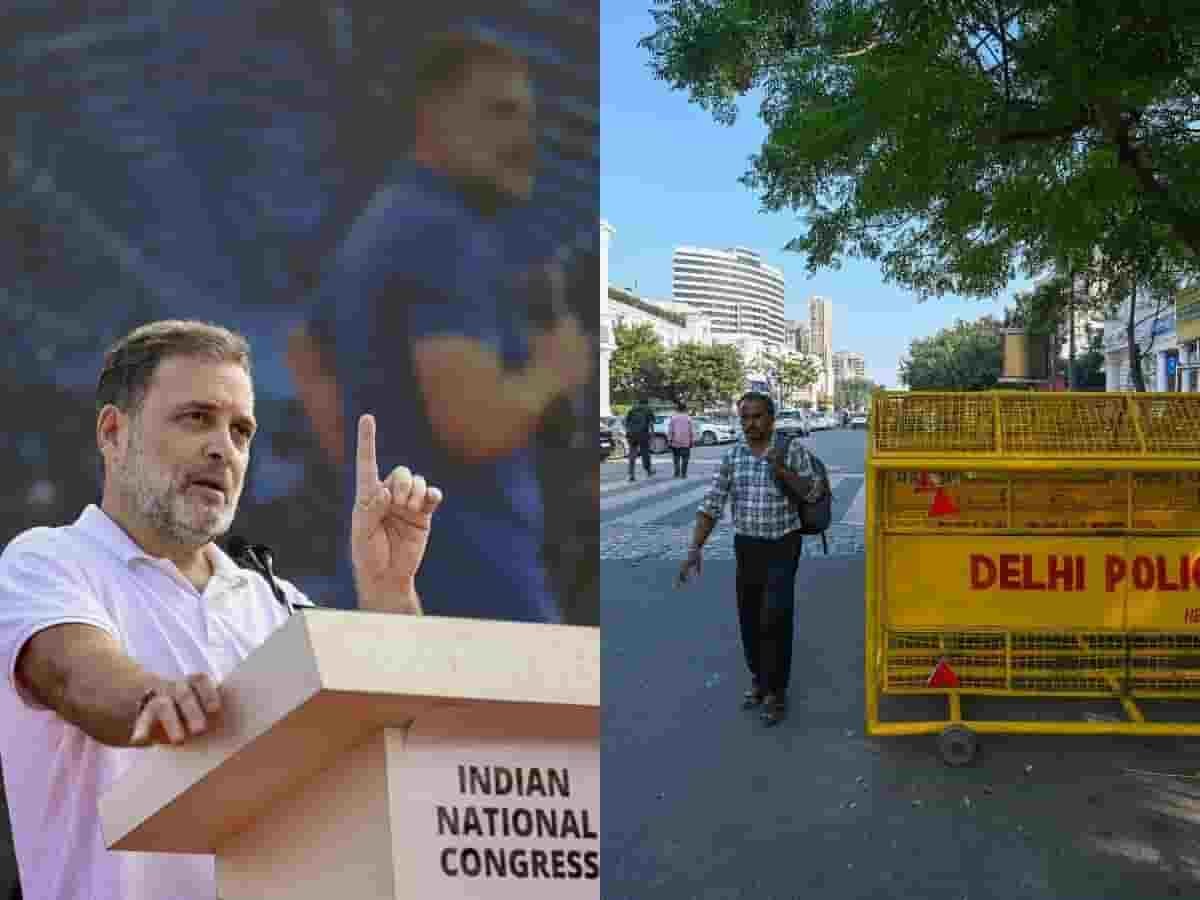
Delhi’s commercial trading hubs are caught in a standoff between high-stakes festival commerce and political agitation. While markets are not formally called to shut down by a mandatory strike, trader associations warn that 21 major wholesale and retail markets surrounding Ramlila Maidan face severe paralysis and de facto closure on Saturday, November 1. The planned mega-rally by the INDIA bloc—protesting alleged electoral discrepancies and seeking the removal of Chief Election Commissioner Gyanesh Kumar—is projected to draw around 10 lakh people and up to 20,000 vehicles into Central and Old Delhi. With Dhanteras (November 6) and Diwali (November 8) just days away, the Chamber of Trade and Industry (CTI) has formally appealed to Rahul Gandhi and Congress President Mallikarjun Kharge to postpone the event past Bhai Dooj (November 10) or relocate it away from commercial cores.
Explaining the Math: The ₹10,000 Crore Exposure
The anxiety of the trading community stems from the narrow sales window that defines north India’s retail calendar. The CTI has outlined the economic calculation underpinning their appeal:
| Commercial Metric | Projected Value / Scale | Strategic Context |
| Total Dhanteras-Diwali Trade | ₹25,000 Crore | Delhi’s combined festive turnover across jewelry, electronics, utensils, textiles, and dry fruits. |
| Single-Day Disruption Risk | ₹10,000 Crore | Estimated trade brought to a standstill if wholesale hubs within a 5 km radius become inaccessible on Nov 1. |
| October Cumulative Losses | ₹3,000 Crore | Previous revenue hits from traffic curbs and metro barricading during protests on Oct 10, 13, and 16. |
| Inbound Protest Traffic | 15,000–20,000 Vehicles | 10,000–12,000 buses and 5,000–7,000 cars/tempo travelers entering an area with authorized parking for under 200 vehicles. |
The Logistics Bottleneck: Narrow Lanes and Shopper Gridlock
The mathematical vulnerability of Old Delhi lies in its physical geography. Over 20 key commercial clusters—including Chandni Chowk, Sadar Bazaar, Khari Baoli, Chawri Bazaar, Bhagirath Palace, Kashmere Gate, and Karol Bagh—are situated directly in the transit path of Ramlila Maidan. Many of these trading lanes measure only 10 to 12 feet wide. If heavy transport buses and rally convoys congest surrounding arterial roads (such as Asaf Ali Road, Netaji Subhash Marg, and Jawaharlal Nehru Marg), local police routinely deploy multi-layered barricades and restrict entry, effectively severing customer footfall, loading trucks, and metro access at the busiest commercial moment of the year.
The Political Exchange: Rahul Gandhi’s “30 Seconds” Condition
Responding to the traders’ distress letters, Rahul Gandhi took to social media to state that the Opposition hears and values the trading community, while holding the central government responsible for past municipal lockdowns and road closures. Gandhi countered the traders’ request by urging them to petition Prime Minister Narendra Modi to dismiss CEC Gyanesh Kumar, asserting that the protest movement would halt within “30 seconds” if their constitutional demands were met. Congress President Mallikarjun Kharge indicated that the party leadership would evaluate the traders’ representations internally to find a workable resolution.
What Shoppers and Business Owners Can Expect on November 1
Unless an agreement is reached to shift the rally to alternative open locations like Burari Ground or Jawaharlal Nehru Stadium:
-
Shops Remain Open in Theory: Merchants have not declared a voluntary market closure, as they cannot afford to lose peak festive sales.
-
Severe Access Constraints: Widespread traffic diversions, police barricades, and potential curbs on regional bus lines and nearby metro stations are expected to make physical access to Chandni Chowk and Sadar Bazaar nearly impossible during peak hours.
-
Alternative Window: Retail bodies strongly recommend that shoppers schedule heavy festive purchases and gold collections before October 31 or defer central visits until Sunday, November 2, to avoid gridlock.