North India Statesman
Israelis have headed to polling booths across the country to elect the 26th Knesset in what is widely framed as the most consequential general election in the nation’s history. Marking the first national ballot since the October 7, 2023 attacks and years of subsequent regional conflict, the election serves as a direct referendum on Prime Minister Benjamin Netanyahu’s prolonged tenure. While domestic debate focuses heavily on judicial battles, military draft exemptions, and economic strain, the overarching geopolitical question centers on Israel’s military posture toward Tehran: would an electoral defeat for Netanyahu actually end or de-escalate the broader conflict with Iran?
Security Consensus: The Broader Posture Toward Tehran
Diplomatic and security analysts emphasize that while a change in leadership would alter strategic coordination, rhetoric, and diplomatic alignment with Washington, it is unlikely to bring an abrupt end to confrontation with Iran. Preventing Iran from developing military nuclear capabilities and dismantling its regional “Axis of Resistance” across Lebanon, Syria, and Yemen are core tenets supported across Israel’s political and defense establishment, not merely personal policies of Netanyahu.
How Netanyahu’s Challengers Approach the Conflict
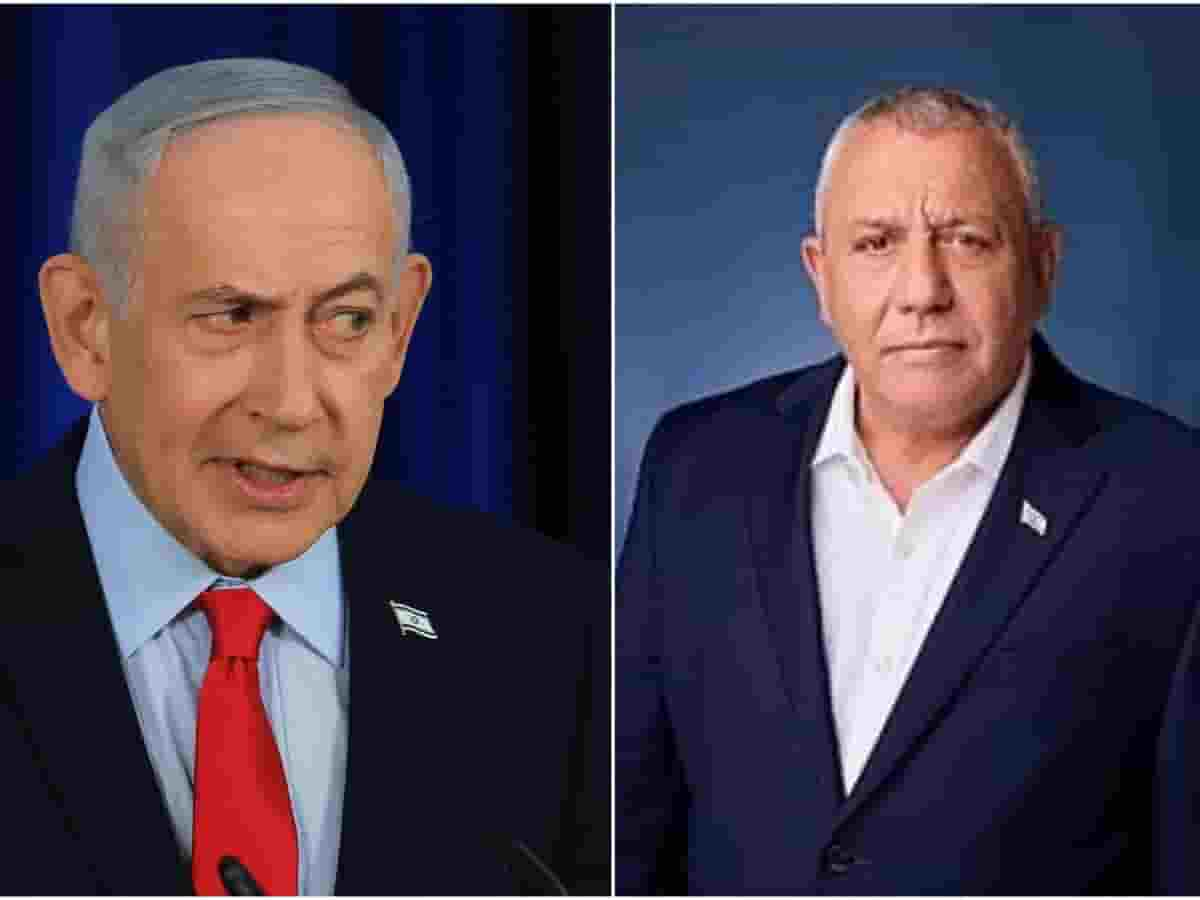
Netanyahu’s primary opponents—principally former IDF Chief of Staff Gadi Eisenkot (leading the Yashar party) as well as the alliance led by former prime ministers Naftali Bennett and Yair Lapid—do not advocate for a dovish departure regarding Iran:
-
Gadi Eisenkot (Yashar): As a seasoned general, Eisenkot critiques Netanyahu not for confronting Tehran, but for prosecuting regional operations without a coherent diplomatic endgame or regional exit framework. An Eisenkot-led administration would maintain robust deterrence and target Iranian proxies, but with closer operational alignment with US intelligence and moderate Arab allies.
-
Naftali Bennett and Yair Lapid (Together Alliance): Bennett pioneered the “Octopus Doctrine,” which explicitly argues that Israel must target the “head” (Tehran) directly rather than merely trading blows with its regional proxy “tentacles.” A government featuring Bennett would likely maintain a hardline operational stance against Iranian forward staging grounds.
-
Diplomatic Realignment with the West: Where an opposition-led coalition would contrast most sharply with Netanyahu is diplomatic cohesion. A new administration would likely dial down unilateral political confrontation with Washington and European partners, seeking institutionalized multilateral sanctions, coordinated air defense pacts, and structured diplomatic containment rather than ad-hoc brinkmanship.
Coalition Friction and the Post-Vote Calculus
Even if Netanyahu’s Likud loses its plurality to the opposition, halting regional conflict will be governed by domestic coalition arithmetic:
-
The 61-Seat Threshold: In Israel’s fragmented proportional representation system, reaching the mandatory 61-seat majority in the 120-seat Knesset requires multi-party deals.
-
Right-Wing Dominance: The ideological center of gravity among Israeli voters remains center-right to right-wing on national defense, meaning any incoming governing coalition—whether led by Eisenkot, Bennett, or a national unity bloc—will face strong domestic pressure to respond aggressively to any direct missile salvos or proxy escalations from Iran.
-
Prolonged Negotiation Window: If exit polls and final seat allocations leave both major blocs short of 61 seats, weeks of coalition deadlock could ensue, during which Netanyahu would remain as caretaker Prime Minister, preserving existing military operational directives.
While a defeat for Benjamin Netanyahu would reshape decision-making dynamics, enhance transparency with international allies, and recalibrate ground strategies, the confrontation between Israel and Iran remains structural, leaving core national defense protocols firmly in place regardless of the political victor.