North India Statesman
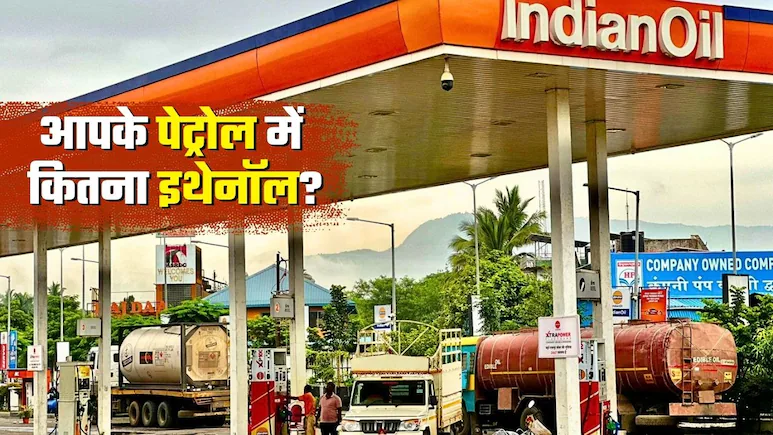 A fierce national debate over fuel quality and vehicle safety has erupted after government lab testing in Karnataka revealed unexpectedly high ethanol concentrations in retail petrol. Inspections conducted by the Karnataka Department of Food, Civil Supplies, and Consumer Affairs alongside the Legal Metrology Department analyzed 63 petrol samples collected across seven major districts, including Bengaluru, Mangaluru, Kolar, Chikkaballapura, and Tumakuru.
The independent tests, conducted at the NABL-accredited and ISO-certified Shriram Research Institute in Bengaluru, revealed ethanol content ranging from 13.5% to a striking 31.2%—far exceeding the mandated statutory E20 limit of 20% set by the Central Government. The highest concentration of 31.2% ethanol was identified in a regular petrol sample drawn from an Indian Oil Corporation Limited (IOCL) outlet, while premium fuel samples from Hindustan Petroleum Corporation Limited (HPCL) and Bharat Petroleum Corporation Limited (BPCL) also registered elevated levels of 30.5% and 26.5% respectively.
The Dispute Over Testing Protocols and OMCs Response
In response to the alarming findings released by Karnataka Consumer Affairs Minister Rizwan Arshad, public sector Oil Marketing Companies (OMCs)—including IOCL, BPCL, and HPCL—issued a joint statement firmly denying widespread over-blending. The state-run refiners disputed the methodology used during the state’s independent testing, arguing that third-party laboratory sampling bypassed statutory protocols established under Bureau of Indian Standards (BIS) norms.
To counter the claims, OMCs presented comprehensive audit results conducted across 893 fuel samples from 27 states and Union Territories by standard quality coordination cells. According to oil industry representatives, all 893 national depot and retail samples—including 56 specific samples tested within Karnataka—strictly met standard quality specifications, maintaining an average ethanol concentration of 19.30%, fully compliant within the authorized 19% to 21% range.
Mechanical Risks for Vehicle Owners and Policy Questions
The controversy has raised sharp concerns among automotive experts and consumer rights groups regarding engine longevity and vehicle maintenance costs. While vehicles manufactured in India after April 2023 are engineered to operate safely on E20 blended fuel, excess ethanol levels reaching 30% or higher present severe risks to internal combustion engines. High ethanol concentrations are known to absorb water, corrode metallic fuel tanks, degrade rubber seals, and damage critical fuel injector systems in unadapted or older vehicles.
The debate has expanded into political circles as consumer advocacy leaders demand mandatory, visible real-time display boards showing exact ethanol percentages at every retail dispensing unit nationwide. As state authorities push for strict federal oversight and financial protection mechanisms for affected vehicle owners, the central energy ministry and fuel refiners continue to emphasize that India’s national biofuel roadmap remains technically sound, rigorously monitored, and essential for long-term energy independence.