North India Statesman
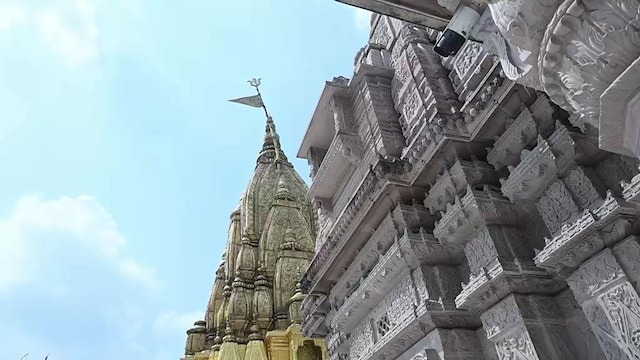
In a decisive move to safeguard centuries-old architectural heritage, a specialized team of structural engineering experts from IIT Madras concluded a comprehensive technical survey at the revered in Varanasi. Led by Dr. Arun Menon, the team deployed advanced laser sensors and diagnostic tools to evaluate the load-bearing capacity, stone integrity, and moisture levels across the sprawling temple complex—spanning from the main sanctum (garbhagriha) up to the outer structural zones. The rigorous scientific audit comes in the wake of growing concerns over natural weathering, stone erosion, and the minor displacement of a section on the northwestern golden spire earlier in the year.
Investigating Stone Erosion and Weathering on Heritage Structures
The centuries-old architectural framework of the holy shrine relies heavily on classic pink Chunar sandstone, celebrated for its durability and intricate carving potential. However, prolonged exposure to environmental factors, shifting seasonal temperatures, heavy rainfall, and urban atmospheric conditions can accelerate subtle micro-weathering over decades. During the recent inspection, the IIT Madras experts collected core stone samples and localized soil specimens from the temple premises. These samples are undergoing detailed laboratory analysis to determine the precise rate of mineral breakdown and moisture retention, allowing engineers to formulate a long-term chemical and physical preservation blueprint.
Securing the Historic Gold-Plated Spire and Kalash Restoration
The structural review also focuses on the iconic gold-plated spires (shikhar) and delicate gold leafing (suvarnamandan), portions of which trace back to historical patronage, including the generous contributions made by Maharaja Ranjit Singh in the 19th century. Following an incident where a minor section of the northwestern spire’s stone backing loosened, temple authorities placed the detached gold-adorned pieces in secure archival safekeeping. Addressing rumors regarding missing precious metals, district and temple administration firmly clarified that all gold elements remain completely intact and secure. The upcoming technical report by IIT Madras will guide engineers on securely restoring the displaced spire components using non-invasive reinforcement techniques.
Comprehensive Conservation Roadmap Expected in 20 Days
With the on-site sensor mapping and sample collection successfully wrapped up, the technical team has returned to Chennai to finalize their empirical findings. Temple officials and Divisional Commissioner S. Rajalingam confirmed that the comprehensive analysis report will be submitted to the administration within three weeks. This blueprint will outline specific preservation protocols, routine maintenance guidelines, and structural strengthening measures to ensure that the ancient sanctity and architectural grandeur of the landmark remain fully protected for generations of devotees to come.