North India Statesman
Devuthani Ekadashi, also revered as Prabodhini Ekadashi or Devotthan Ekadashi, marks one of the most spiritually significant turning points in the Hindu calendar. Observed on the eleventh day of the bright fortnight (Shukla Paksha) in the month of Kartik, this auspicious festival celebrates the awakening of Lord Vishnu from his four-month cosmic slumber (Yog Nidra), bringing the sacred period of Chaturmas to a close and reopening the season for weddings and auspicious ceremonies across India. In 2026, the Kartik Shukla Ekadashi tithi begins at 7:15 AM on Friday, November 20, and concludes at 6:31 AM on Saturday, November 21. Accordingly, householders following the Smarta tradition observe the fast on Friday, November 20, while devotees in the Vaishnava tradition observe Ekadashi on Saturday, November 21, alongside the ceremonial celebrations of Tulsi Vivah. Because Goddess Tulsi is deeply cherished by Lord Vishnu, spiritual scholars and traditional panchang guides highlight five sacred items devotees can offer to Tulsi Mata on this day to invite harmony, financial stability, and the fulfilment of heartfelt prayers into their homes.
Why Worshipping Tulsi Mata on Devuthani Ekadashi Is Considered Auspicious
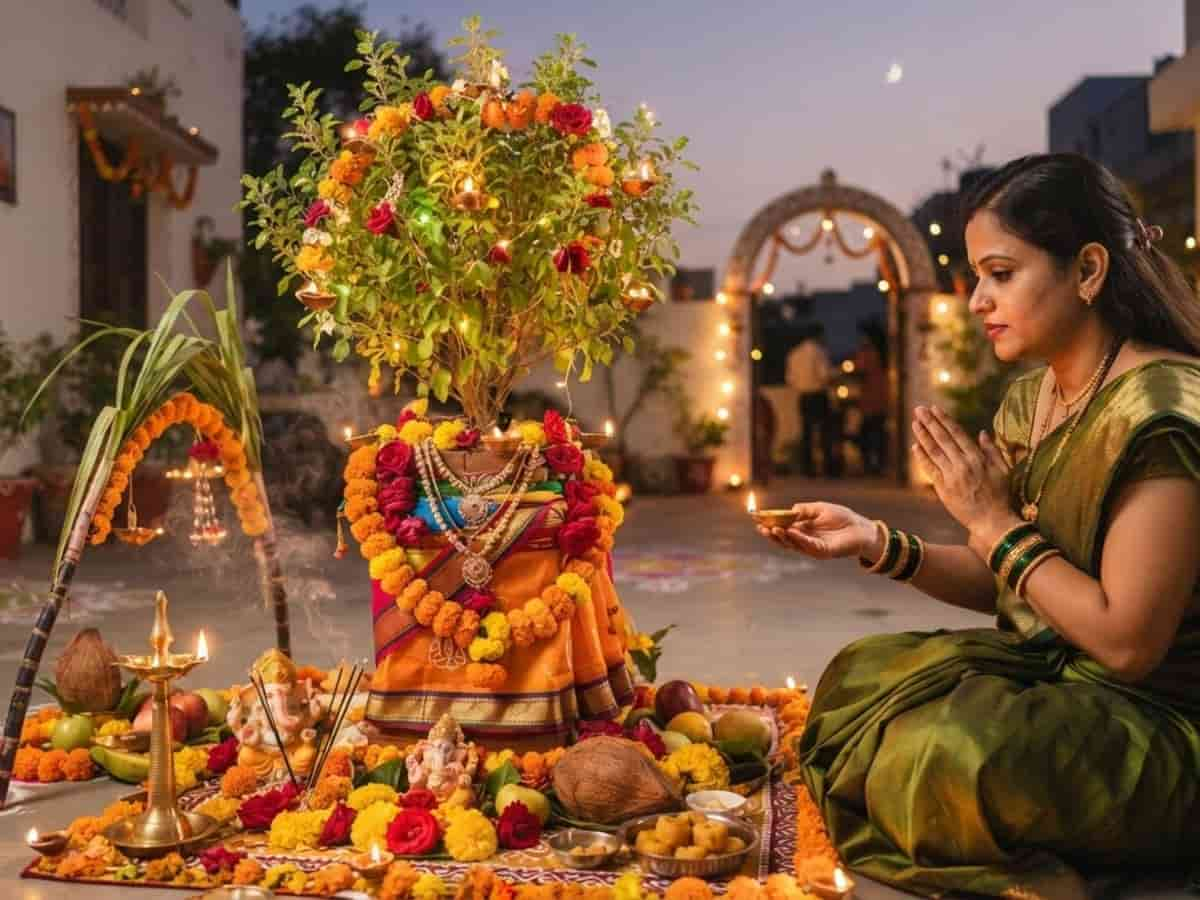
In Hindu scripture and household devotion across northern and western India—from Uttar Pradesh and Bihar to Rajasthan, Gujarat, and Maharashtra—Tulsi (Holy Basil) is venerated not merely as a medicinal herb, but as an earthly manifestation of Goddess Lakshmi and a devoted consort of Lord Vishnu in his Shaligram form. According to the Padma Purana and traditional Kartik vrat narratives, no offering to Lord Vishnu is considered complete without Tulsi, and worshipping the sacred plant on the day Sri Vishnu awakens carries multiplied spiritual merit. Families clean their courtyards and balconies, draw intricate rangolis around the Tulsi planter, erect miniature mandaps using fresh sugarcane stalks, and light earthen lamps at twilight (Godhuli Muhurat) to welcome divine abundance into their living spaces.
5 Things to Offer Tulsi Mata on Devuthani Ekadashi
Traditional astrologers and Vedic priests recommend offering five specific items during morning or evening twilight prayers on Devuthani Ekadashi to seek the combined blessings of Goddess Lakshmi and Lord Narayan:
-
1. Red Chunari and Bridal Shringar Items: Draping a fresh red chunari (ceremonial scarf) over the Tulsi plant—often accompanied by traditional suhag items such as vermilion (sindoor), bindi, bangles, and turmeric—honours Tulsi Mata as a divine bride ahead of Tulsi Vivah. Devotees believe offering red cloth symbolises auspiciousness, marital harmony, and the removal of financial scarcity from the household.
-
2. Raw Cow’s Milk (Kachcha Doodh): Gently pouring a small spoonful of unboiled cow’s milk mixed with clean water near the base of the Tulsi plant after bathing is an age-old devotional practice. According to traditional belief, offering raw milk pleases Goddess Lakshmi and invites steady prosperity and peace into the family.
-
3. Sacred Red Kalava (Mauli): Tying a red and yellow cotton kalava gently around the stem or planter of the Tulsi shrub represents a sacred bond of protection and positive energy. Practitioners view this simple ritual as a way to shield the household from negative influences and resolve lingering monetary obstacles.
-
4. Yellow Thread With Knots: Because the colour yellow is closely associated with Lord Vishnu and Jupiter (Brihaspati), devotees often take a clean yellow cotton thread, tie 11 or 108 knots while mentally stating their sincere wish, and fasten it respectfully around the Tulsi pot. Tradition holds that once the prayer is answered, the thread is untied and respectfully immersed in flowing water.
-
5. Pure Cow Ghee Lamp and Fruit or Kheer Bhog: Lighting a diya filled with pure cow ghee beside the Tulsi plant during Pradosh Kaal (around sunset) illuminates the home with spiritual warmth and dispels gloom. Alongside the lamp, devotees offer seasonal fruits, water chestnuts (singhara), Indian gooseberry (amla), jaggery, or makhana kheer as bhog.
Important Rules to Remember During Devuthani Ekadashi Tulsi Puja
While performing these devotional rituals, religious scholars remind families to observe traditional Ekadashi etiquette carefully. Most importantly, Tulsi leaves should never be plucked on Ekadashi itself, as the sacred plant is believed to observe a fast in honour of Lord Vishnu. If Tulsi leaves are needed for offering bhog to Lord Vishnu or Shaligram, devotees should collect them a day earlier or use leaves that have naturally fallen onto clean cloth around the planter. Additionally, avoid watering the Tulsi plant on Ekadashi if following strict Vaishnava fasting customs, refrain from consuming rice or heavy grains during the vrat, and conclude the evening prayers by performing seven or eleven clockwise circumambulations (parikrama) around Tulsi Mata with a calm, grateful heart.