North India Statesman
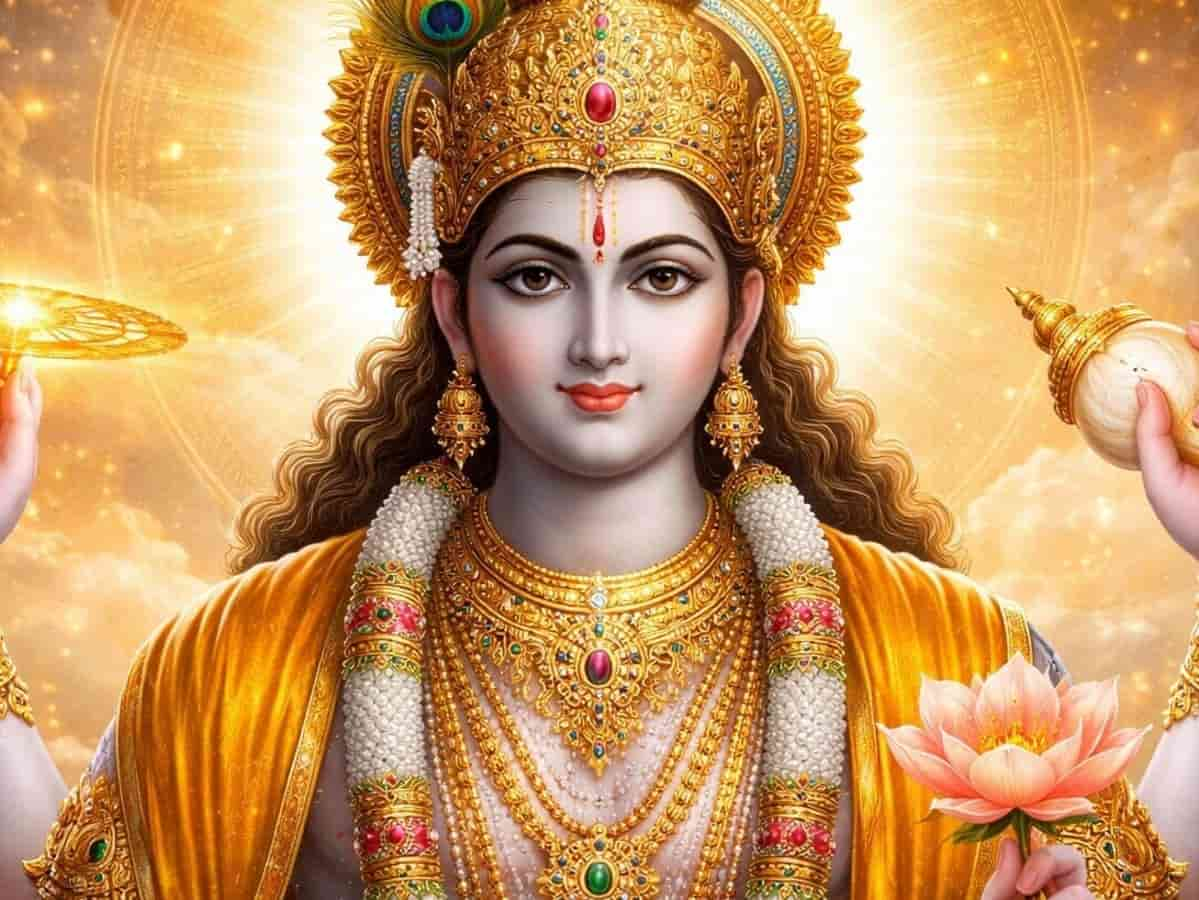
Every year during the sacred Hindu month of Kartik, millions of devotees across Uttar Pradesh, Bihar, Madhya Pradesh, Rajasthan, and Delhi-NCR observe Bhishma Panchak—one of the most spiritually rewarding five-day fasts in the Sanatan tradition. Beginning on Devuthani (Prabodhini) Ekadashi and concluding on Kartik Purnima, this five-day observance is also revered in scriptures as Vishnu Panchak. In November 2026, however, a familiar calendar overlap has left many households wondering which day to take the sankalpa (vow) and when to lift the fast, as Kartik Shukla Ekadashi spans across two consecutive calendar dates: Friday, November 20, and Saturday, November 21. According to traditional Panchang calculations and Vedic scholars from Kashi and Ayodhya, understanding how tithi timings interact with sunrise resolves the confusion and ensures devotees observe both the start and parana (breaking of the fast) at the most auspicious hour.
Why Ekadashi Tithi Spans Two Days in November 2026
In the Hindu lunar calendar, a tithi is determined by the longitudinal angle between the Sun and the Moon rather than a fixed 24-hour midnight-to-midnight clock. In 2026, the Kartik Shukla Ekadashi tithi commences at 7:15 AM on Friday, November 20, and remains in effect until 6:31 AM on Saturday, November 21. Because sunrise across most parts of northern and central India in late November occurs between 6:35 AM and 6:55 AM, the Ekadashi tithi is present throughout the daytime and evening of November 20, while Dwadashi begins right around sunrise on November 21. Consequently, Smarta householders—who follow the tithi prevailing during the day and evening—observe Devuthani Ekadashi on Friday, November 20. Meanwhile, devotees following the Vaishnava tradition observe Ekadashi on Saturday, November 21, based on specific Vaishnava udaya rules.
When Does Bhishma Panchak Begin and End in 2026?
Because Bhishma Panchak is strictly anchored to the five lunar days from Kartik Shukla Ekadashi to Kartik Purnima, Panchang experts advise starting the five-day observance on Friday, November 20, 2026. Taking the morning bath and formal vow on November 20 aligns with the full presence of the Ekadashi tithi throughout the day and initiates the five-day sequence seamlessly across Ekadashi, Dwadashi, Trayodashi, Chaturdashi, and Purnima. Devotees affiliated with Vaishnava mutts who begin their Ekadashi fast on Saturday, November 21, also conclude their observance on Kartik Purnima, making the final stretch of Kartik a period of intense collective devotion. Across temples in Varanasi, Prayagraj, Haridwar, and Vrindavan, special lamps and Vedic recitations mark all five days:
-
Day 1 – Friday, November 20, 2026 (Kartik Shukla Ekadashi): Commencement of Bhishma Panchak, Devuthani Ekadashi worship, and lighting of an akhand ghee lamp.
-
Day 2 – Saturday, November 21, 2026 (Dwadashi & Tulsi Vivah): Ceremonial worship of Lord Shaligram and Goddess Tulsi alongside Vaishnava Ekadashi observance.
-
Day 3 – Sunday, November 22, 2026 (Trayodashi): Continued satvik fasting, meditation, and evening prayers dedicated to Lord Narayan.
-
Day 4 – Monday, November 23, 2026 (Vaikuntha Chaturdashi): Sacred worship of both Lord Vishnu and Lord Shiva during the auspicious Nishita and Pradosh hours.
-
Day 5 – Tuesday, November 24, 2026 (Kartik Purnima): Culmination of Bhishma Panchak with holy river bathing, charity, and parana.
Spiritual Significance and Daily Fasting Rules of Bhishma Panchak
According to the Mahabharata and the Padma Purana, this five-day fast derives its name from Pitamah Bhishma. Lying on his bed of arrows in Kurukshetra while awaiting Uttarayana, Bhishma imparted timeless discourses on rajdharma, righteousness, and devotion to Yudhishthira in the presence of Lord Krishna. Pleased by Bhishma’s wisdom and unwavering devotion, Lord Krishna blessed these five days of Kartik, declaring that anyone who observes self-restraint, charity, and prayer during this window earns immense spiritual merit, ancestral peace, and freedom from worldly distress.
During Bhishma Panchak, devotees follow disciplined yet accessible lifestyle rules tailored to their physical capacity. Those undertaking the full five-day vrat wake up during Brahma Muhurta, bathe in clean water (ideally mixed with a few drops of Ganga water), and offer water mixed with black sesame seeds (til) and kusha grass in remembrance of Bhishma Pitamah and their ancestors. Throughout the five days, practitioners avoid grains, pulses, heavy spices, onion, garlic, and tamasic items, sustaining themselves on falahar—fresh seasonal fruits, milk, curd, nuts, water chestnut flour (singhara), and rock salt (sendha namak). Maintaining truthfulness, avoiding anger or harsh speech, and chanting the Vishnu Sahasranama or Om Namo Bhagavate Vasudevaya each morning and evening form the spiritual core of the observance.
When and How to Lift the Fast (Parana Rules)
Knowing the exact timing to conclude the fast is essential for completing the vrat properly. Devotees who are observing only the single-day Devuthani Ekadashi fast on Friday, November 20, should perform their Ekadashi parana on the morning of Saturday, November 21, 2026, after sunrise and morning prayers, breaking their fast with satvik food and Tulsi water. However, for devotees observing the complete five-day Bhishma Panchak vrat, the fast continues through the weekend and is lifted on Kartik Purnima, Tuesday, November 24, 2026. On the final morning, practitioners take a sacred bath before sunrise, perform a concluding havan or Vishnu puja, and donate food grains, warm winter clothes, jaggery, and sesame seeds to the needy before consuming wholesome satvik prasad to formally end the five-day vow.