North India Statesman
[ad_1]
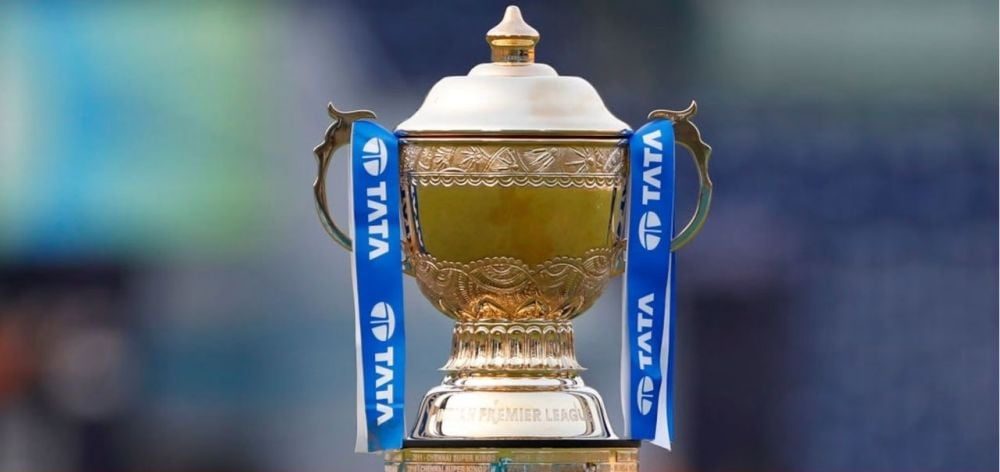
If a match becomes equal in the Indian Premier League (IPL), the super over is used to determine the winning team. But now the number of super overs cannot be infinite, but the super over will continue until the winner is found.
The Board of Control for Cricket in India (BCCI) hopes that the result of the tie match will change within an hour of the super over. The failed DRS during the super over is also valid.
According to media reports, after a recent meeting of captains, the BCCI informed the franchisees that the desired super over could be played until the winner is determined by one hour after the main match ends.
Know what is the rule.
The first super over should begin within 10 minutes of ending the main match. If the first super over becomes equal, the second super over should start five minutes after the end of the first over.
If the match referee feels that one hour period is about to end, he will inform the captains which super over will be final. The warning time and extra time given to all the players in the main match will be extended to the super over.
BCCI announced the rules of super over
1. In the super over, each team has to play an over of six balls and the winner will be the team that will score more runs, no matter how many wickets they have lost.
2. If a team loses two wickets in one over, the team’s innings ends.
3. If the super over ends at the super over, the next super over will be played until the winner is determined. Unlimited super overs can be played to decide the result.
4. Under the weather conditions, the super over match will be on the scheduled day by the IPL match referee. Under normal circumstances, this will begin 10 minutes after the match ends.
5. The super over will be played until the completion of the super over, but if there is any delay or blockage during the super over, additional time will be allocated to complete the super over or any subsequent super over. (After applying the additional time available to the change period for the super over (10 min) for the super over after the main match, it should not be taken into consideration.) The extra time allotted for an over is more of these.
6. The super over will be played on the allotted pitch for the match, until the decision is taken by the umpires in consultation with the ground officer and the IPL match referee.
7. Only nominated players can participate in the super over of the match.
8. Any penalty time given in a match will be taken forward in the super over.
9. The umpire will stand at the same end where he finished the match.
10. The team batting later in the match will bat first in the super over.
11. Each team will be allowed to review a failed player in each super over.
12. The captain (or his nominated person) of the fielding team will select the ball thrown by the team that will be included in the super over, from the additional balls of the additional balls provided by the umpires (which will include the balls used in the match, but will not include new balls).
After this, the fielding team can use the ball selected by the bowling team or can choose another ball from the same box. If there is a need to change the ball, the sports conditions applicable in the match will also apply in the super over.
13. The fielding team has to choose the end from where they have to bowl over.
14. Super over will also be played with fielding sanctions similar to the final over of the match.
15. The interval between two overs in the super over will be 5 minutes.
What will happen if the super over is also tied?
Super over process
16. If the super over is equal, the next super over will be played until the winner is declared.
17. Under normal circumstances any super over will begin 5 minutes after the end of the previous super over.
18. Later batting in the last super over will bat first in the next super over.
19. The ball selected for use by each team in the last super over will be re -used by the same team in the next super over.
20. The fielding team will have to throw over from the same end in the next super over from where the over was thrown in the last super over.
21. Any batsman who has been out in the last super over will be disqualified to bat in the next super over. If a batsman retires without injury during the super over, his innings will be immediately recorded as a retired out and will not allow him to resume his innings even after the consent of the fielding captain. The batsman will not be eligible to bat in the upcoming super over.
22. Any bowler who has bowled in the previous super over will be disqualified to bowl in the next super over.
23. In all other cases, the process of the upcoming super over will be the same as the initial super over.
If the super over is not completed…
24. If for some reason, if any super over or any super over is canceled before completion, the match will be declared a draw and equal marks will be deducted.