North India Statesman
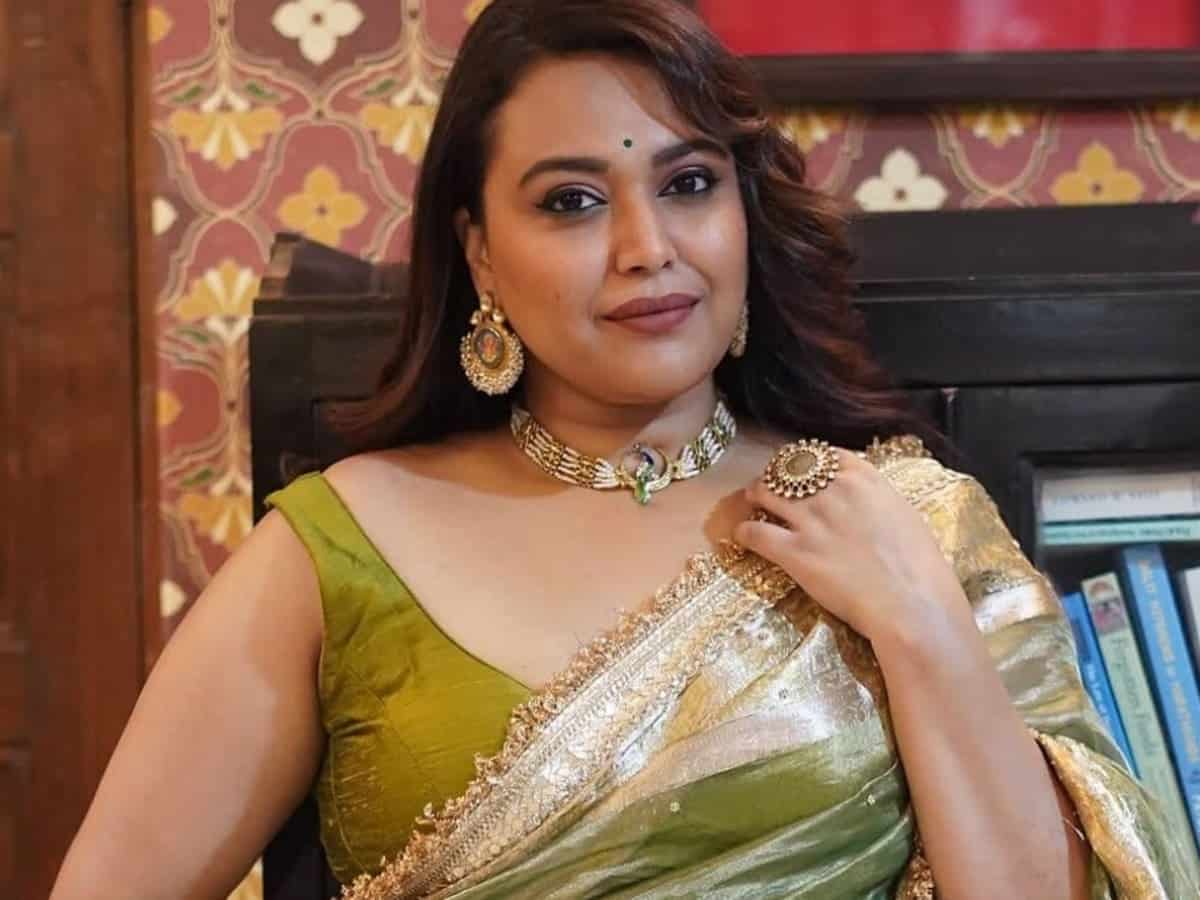
Known across Indian cinema and public discourse for speaking her mind without hesitation, Bollywood actor Swara Bhasker has opened up about a deeply personal chapter from the earliest days of her acting career when she felt unable to speak up for herself. In a candid interview with The Free Press Journal that drew widespread attention across Mumbai, New Delhi, Lucknow, and film circles nationwide on November 15, 2026, the actor recalled enduring workplace sexual harassment at the hands of a film director during a 2011 outdoor shoot. Speaking fifteen years after the incident, Bhasker detailed how being a young outsider without a support network, combined with a narrow understanding of what constitutes harassment, kept her silent at the time—and how the #MeToo movement eventually gave her the clarity to name what had happened.
What Happened During the 2011 Pachmarhi Film Shoot
Recounting the experience from 2011, Swara Bhasker explained that the incident unfolded during an extended outdoor schedule in Pachmarhi, Madhya Pradesh, away from the familiar surroundings of Mumbai. At the time, Bhasker was in her early twenties and had only recently gained recognition for her supporting role in the sleeper hit Tanu Weds Manu. Unlike established stars surrounded by managers, assistants, and legal advisors, she arrived on the remote set entirely on her own. Describing her state of mind as a newcomer trying to find her footing in Hindi cinema, Bhasker noted that she felt isolated and vulnerable in a way that made navigating uncomfortable dynamics extraordinarily difficult. Within the very first few days of a demanding 56-day shooting schedule, the film’s director began subjecting her to persistent, inappropriate behaviour that left her deeply unsettled throughout the production.
Why Swara Bhasker Did Not Recognize It as Harassment at the Time
One of the most striking aspects of Bhasker’s revelation is why she did not immediately label the director’s conduct as sexual harassment while the shoot was underway. Like many young women entering Indian workplaces in the early 2010s, she held the misconception that workplace harassment required overt physical contact or explicit assault. Because the director had not touched her physically, Bhasker struggled to categorize his persistent boundary-crossing behaviour, leaving her confused and without the vocabulary to articulate her discomfort. It was only years later, when the global and Indian #MeToo movement erupted and women began publicly sharing detailed accounts of verbal, emotional, and psychological misconduct on film sets, that Bhasker recognized the exact pattern she had endured. Reflecting on that realization, she admitted she was stunned to recognize her own experience as a textbook case of workplace sexual harassment.
Career Ambition and Fear of Losing Hard-Won Opportunities
Beyond not having the terminology to define the misconduct, Bhasker explained the practical and professional dilemma that prevents countless young actors from walking off a set. Having fought hard to secure a prominent role early in her career, leaving the project midway through a 56-day shoot would have meant forfeiting crucial work, income, and visibility in an unforgiving industry. Addressing the silent pressure placed on victims to sacrifice their careers in order to prove their discomfort, Bhasker defended her right as a young woman to hold on to her professional goals. She emphasized that wanting to complete the film and protect her career ambitions did not diminish the wrongness of what she faced, pointing out how unfair it is to expect women to choose between personal dignity and professional survival.
How the Film’s Executive Producer Stepped In to Protect Her
Although Bhasker did not go public against the director at the time, she eventually found the courage to confide in the film’s executive producer during the shoot. According to the actor, that decision proved to be a turning point. Once informed of the director’s conduct, the executive producer immediately stood by her, intervened to shield her from further distress, and ensured she could complete the remaining shooting schedule safely. That solidarity forged a lasting bond of trust between them; Bhasker revealed that the executive producer became a close personal friend and went on to serve as her talent manager—a role he continues to hold today.
Swara Bhasker’s Message for Young Women Entering the Workforce
Swara Bhasker, who recently returned to screens on the reality show Rise and Fall Season 2 following a two-year maternity break after welcoming her daughter Raabiyaa in 2023, used her candid reflection to offer clear advice to young women stepping into entertainment and corporate workplaces across India. She urged newcomers to trust their instincts, recognize that non-physical intimidation and unwelcome remarks are valid forms of harassment, and establish firm personal boundaries right from day one. Stressing that today’s workplace awareness and institutional safeguards offer far stronger avenues for accountability than existed in 2011, Bhasker encouraged women never to suffer in isolation, advising them to confide in trusted colleagues, seek immediate support, and call out misconduct without fear.