North India Statesman
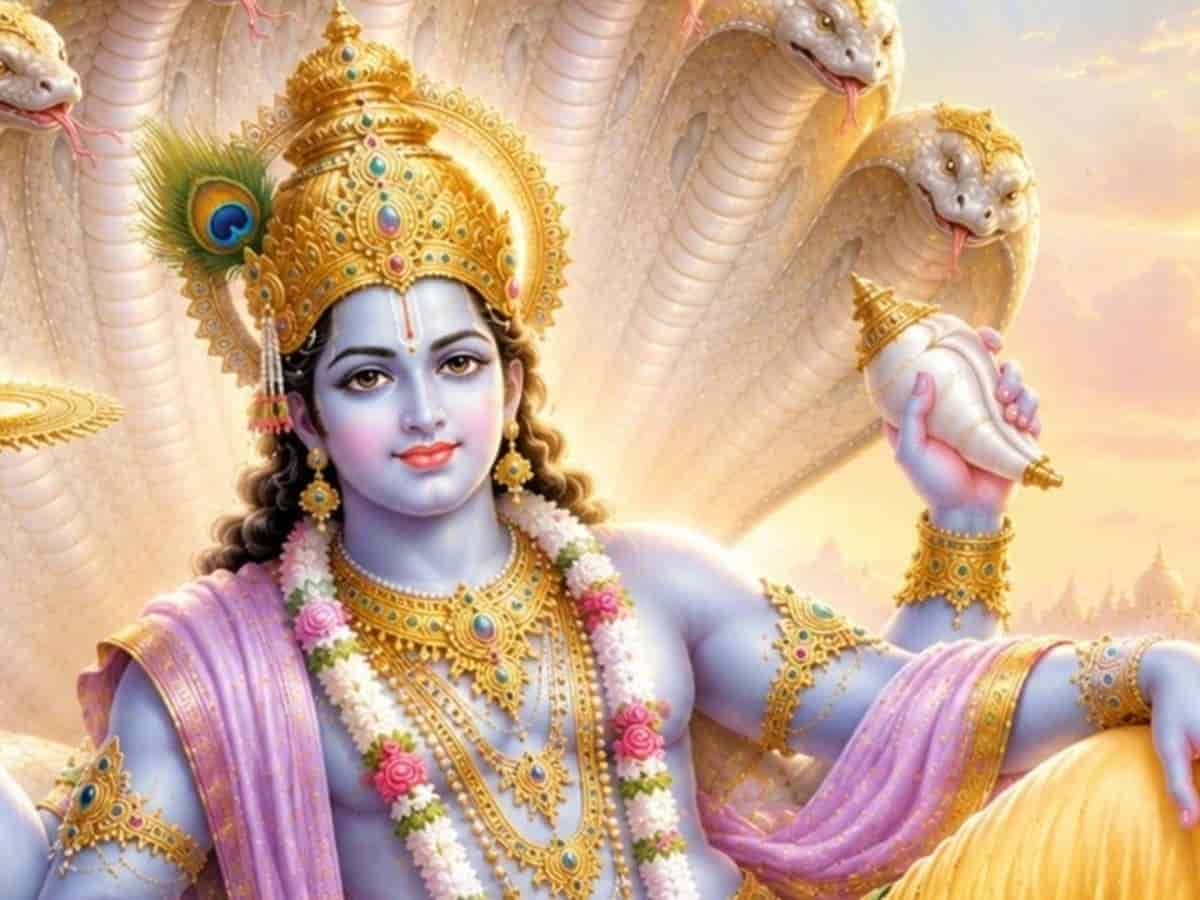
In Sanatana Dharma, the sacred observance of Ekadashi holds an eminent position among spiritual austerities, with the fast occurring during the Shukla Paksha of the Ashwin month known far and wide as Papankusha Ekadashi. Dedicated to the worship of Lord Padmanabha—a majestic manifestation of Lord Vishnu holding the lotus from his navel—this occasion represents a divine conduit for cleansing mortal transgressions, granting spiritual elevation, and guiding seekers toward ultimate liberation. Scriptural tradition notes that the profound spiritual fruit earned by sages through centuries of rigorous tapasya can be attained by simply observing this sacred vrata with unwavering devotion and offering obeisance to Lord Garudadhwaj.
Correct Date and Shubh Muhurat for Papankusha Ekadashi 2026
Determining the precise day for fasting requires adhering strictly to the sunrise-based Vedic solar calculation known as Udayatithi. During this lunar cycle, Ekadashi Tithi begins on Wednesday, October 21, at 2:12 PM, but because this initial onset coincides with the concluding moments of Dashami, orthodox Panchang principles designate it as Dashami-viddha. Traditional scriptures advise against observing the austerity when the eleventh tithi is mixed with the tenth. Consequently, the pure vrata prevails at sunrise on Thursday, October 22, extending through the afternoon until 2:49 PM, where it seamlessly conjoins with Dwadashi. Devotees observing the sacred fast will break their observance during the auspicious Parana period on the morning of Friday, October 23, unlocking the spiritual benefits said to equal the merits of performing millions of sacred yagnas.
Understanding the Rarity and Power of Trisparsha Ekadashi
Astrological and scriptural literature reserves supreme praise for a unique planetary alignment recognized as Trisparsha Ekadashi (also referred to as Trispusha). This extraordinarily rare celestial event occurs when three distinct lunar tithis—Ekadashi, Dwadashi, and Trayodashi—touch a single calendar day cycle before the following dawn. Unlike ordinary dates that may suffer from the blemish of Dashami confluence, a genuine Trispusha alignment remains untouched by prior tithis, making it an immaculate Vaishnava occasion. Ancient sacred texts mention that Lord Madhava personally extolled the unfathomable virtue of the Trisparsha fast, asserting that its spiritual potency exceeds the collective fruits of undertaking hundreds of crores of sacred tirthas and pilgrimages across the subcontinent.
Spiritual Liberation and Parana Observance Rules
The philosophical gravity of Trisparsha Ekadashi offers an open doorway to salvation without the mandatory requirement of departing earthly life in holy kshetras like Prayagraj or bathing at the Gomati river in Dwarka. By maintaining absolute purity, engaging in fasting, chanting divine Vishnu stotras, and meditating within the sanctuary of one’s own home, an earnest seeker can attain the four cardinal human pursuits: Dharma, Artha, Kama, and Moksha. Devotees undertaking the fast should maintain complete cleanliness, offer yellow fragrant blossoms, tulsi leaves, and seasonal sweets to Lord Vishnu, and conclude the discipline with disciplined morning prayers before the scheduled Parana window closes.