North India Statesman

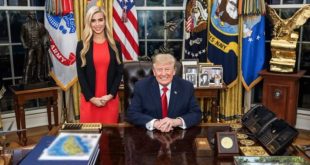
In a major foreign policy pivot shaking global diplomatic and energy corridors, United States President Donald Trump signed an executive order suspending a comprehensive package of newly approved sanctions and punitive trade tariffs aimed at Russia. The sweeping penalties, enacted under the Graham Act, were designed to heavily restrict Moscow’s lucrative oil and gas revenues by imposing punitive tariffs of up to 100 percent on major buyers of Russian energy. Trump invoked a national interest waiver to shelve the measures just two days before their scheduled enforcement deadline. The unexpected freeze signals a dramatic easing of transatlantic financial pressure on the Kremlin, arriving at a moment when Washington’s traditional alignment on the Eastern European conflict is undergoing a fundamental recalibration.
Moscow Hails Diplomatic Victory: Envoy Calls Executive Waiver A Truly Historic Milestone
Reaction from Moscow was swift and celebratory, with top Russian officials framing the waiver as a breakthrough for direct economic engagement. Kirill Dmitriev, special envoy for Russian President Vladimir Putin and a key negotiator in international financial dialogues, publicly praised Trump’s intervention as an “important and truly historic moment”. Dmitriev argued that the Graham Act’s punitive architecture would have inflicted catastrophic self-inflicted damage on American domestic industries and international energy markets rather than isolating Russia. Emphasizing that dialogue and mutually beneficial economic cooperation provide the only realistic path toward global stability, the Russian delegation asserted that the decision opens direct pathways for continued peacemaking efforts and bilateral trade normalization between Washington and Moscow.
Energy Markets In Focus: The Global Diesel Supply Nexus
Behind the sudden suspension lies an intricate calculation surrounding global fuel availability and inflation containment. Washington insiders indicate that the administration’s decision to bypass the energy tariffs followed diplomatic talks aimed at stabilizing tight worldwide petroleum supply chains. In exchange for pausing aggressive maritime secondary sanctions and import penalties, discussions centered on securing the steady release of substantial volumes of Russian diesel and refined distillates into international commercial channels. Faced with volatile domestic fuel costs and fragile macroeconomic recovery in key Western consumer markets, the White House prioritized global fuel market liquidity over strict punitive enforcement, seeking to avoid severe price spikes that secondary energy embargoes routinely provoke.
Kyiv’s Outrage: Zelenskyy Condemns The Decision As Financial Rewards For Aggression
The sanctions freeze drew immediate, sharp pushback from Ukrainian President Volodymyr Zelenskyy, exposing a widening rift between Kyiv and the White House. Zelenskyy vehemently denounced the executive order, characterizing the sudden retreat from economic enforcement as an unwarranted “sanctions blackout” that delivers direct financial rewards to Vladimir Putin while Russian military operations continue unabated. Warning international allies that easing financial pressure will only embolden Moscow to escalate offensive actions, Zelenskyy implored European Union leaders and G7 partners to maintain a unified front. Concurrently, the Ukrainian leadership appealed to European partners for nearly $80 billion in supplementary financial and military assistance to bridge the emerging gap left by shrinking American defense commitments.
Shifting Western Alliances And The Road Ahead For Global Security
Trump’s executive waiver marks a profound rupture with the multilateral sanctions framework constructed by Western allies since the outbreak of the Russia-Ukraine war in 2022. By utilizing presidential discretion to bypass statutory congressional penalties, the administration has signaled a clear intent to dismantle economic barriers in pursuit of transactional bilateral agreements. While Moscow views the move as formal validation of its economic resilience and European capitals scramble to assess the durability of their trade embargoes, the strategic landscape in Eastern Europe enters an unpredictable phase. The coming weeks will reveal whether this sanctions waiver serves as the opening gambit for comprehensive ceasefire negotiations or triggers an irreversible fragmentation of the Western diplomatic coalition.