North India Statesman
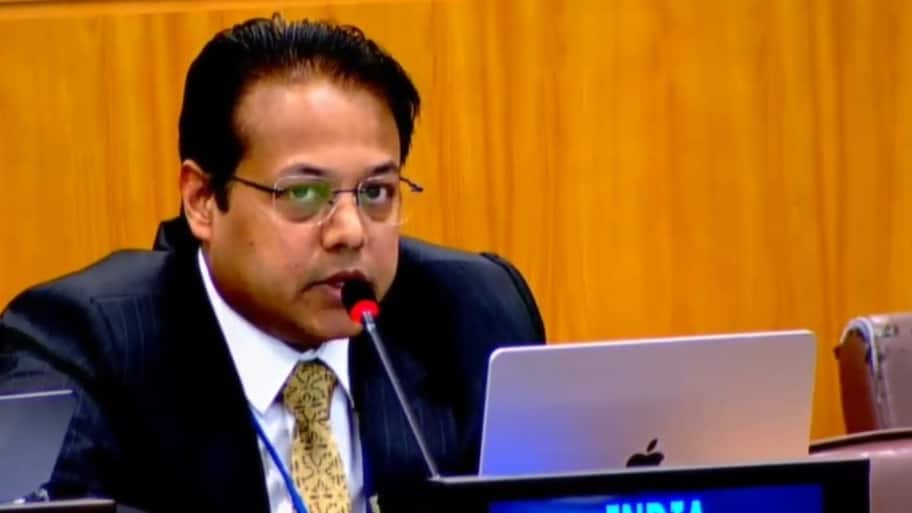
In a firm and assertive diplomatic response at the United Nations, India strongly rejected allegations leveled by UN Special Rapporteur Gina Romero regarding youth protests in the country. New Delhi cautioned that arbitrary reporting grounded in anonymous, unverifiable claims severely undermines the credibility of the United Nations human rights apparatus. Representing India at the UN dialogue, First Secretary Anuj Swarup issued a sharp rejoinder, advising the mandate holder to “verify before she vilifies”. The Indian delegation underscored that relying on unvetted submissions to make sweeping generalizations about a democratic nation of 1.4 billion citizens does a profound disservice to the mandate established by the UN Human Rights Council.
The Controversial Report: Sensational Claims Lacking Verifiable Sources
The diplomatic friction arose over a report submitted by Romero, a Colombian activist serving in an independent, unsalaried capacity as a UN-appointed rapporteur. In her document, Romero claimed that thousands of student and youth protesters in India had been detained without legal recourse, alleging widespread mistreatment and excessive digital surveillance. However, Indian diplomats pointed out that the critical footnotes cited to justify these serious allegations referred merely to anonymous private submissions without disclosing identifiable, verifiable data or institutional sources. New Delhi emphasized that presenting unexamined assertions as formal international findings violates established objective fact-finding standards.
Institutional Action: Robust Response To Exam Paper Leak Concerns
Rebutting claims of state inaction or repression regarding student grievances, the Indian delegation presented the extensive legislative and administrative overhauls undertaken by the government. Addressing concerns raised by students regarding exam integrity, India highlighted the enactment of stringent laws that significantly increased penalties for paper leaks, introduced comprehensive examination surveillance, and established designated fast-track courts across states to prosecute fraud. These sweeping institutional safeguards illustrate that India’s constitutional and administrative machinery responds actively and decisively to youth concerns through established democratic channels rather than suppressing dissent.
Democratic Engagement: Highlighting The Viksit Bharat Youth Framework
The Indian mission also spotlighted genuine avenues of high-level youth participation in India, contrasting them with the bleak depiction presented in the UN report. Diplomats highlighted the Viksit Bharat Young Leaders Dialogue, a massive national initiative that engaged over five million young citizens in direct policy discussions to help shape national priorities alongside senior leadership and the Prime Minister. India further noted that the Special Rapporteur appeared to have disregarded recent observations by the UN High Commissioner for Human Rights, Volker Turk, who acknowledged the importance and positive engagement of India’s vibrant youth-led civic movements.
Defending Credibility: Why UN Mechanisms Must Adhere To Evidence Standards
Concluding the rejoinder, India reminded the international forum that special procedure mandate holders hold a vital responsibility to maintain absolute impartiality and factual rigor. Indian diplomats reiterated that when international rapporteurs trade verified facts for biased activist hearsay, they dilute the moral authority of the UN system. Emphasizing the robust health of Indian democracy, the rule of law, and an independent judiciary accessible to every citizen, New Delhi affirmed that constructive engagement remains welcome, but baseless campaigns to malign national institutions will be countered transparently on the global stage.