North India Statesman
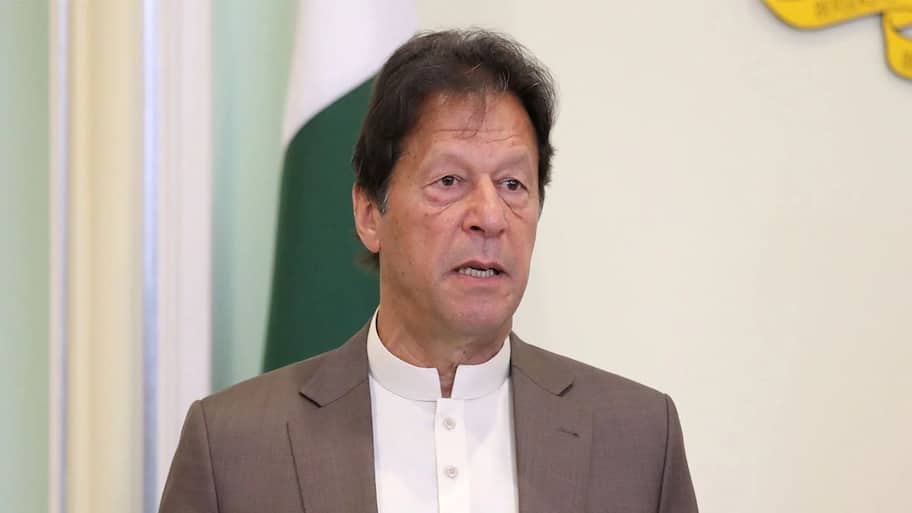
In an explosive political development rocking Islamabad and Rawalpindi, Pakistan’s prominent opposition figure and Pashtunkhwa Milli Awami Party (PkMAP) chief Mahmood Khan Achakzai has claimed that jailed former Prime Minister Imran Khan is facing intense institutional pressure to accept an overseas exile deal. Addressing a media briefing alongside Balochistan National Party-Mengal (BNP-M) leader Sardar Akhtar Mengal at the Peshawar High Court, Achakzai alleged that the ruling Pakistan Muslim League-Nawaz (PML-N) and Pakistan Peoples Party (PPP) coalition, backed by the establishment, is maneuvering to push the Pakistan Tehreek-e-Insaf (PTI) founder out of the domestic political sphere. The veteran politician asserted that authorities are attempting to replicate the historical playbook that previously forced former premiers Nawaz Sharif and Benazir Bhutto into prolonged periods of self-imposed exile abroad.
Historical Precedents: The Nawaz Sharif And Benazir Bhutto Exile Playbook
Achakzai’s comparison directly draws upon Pakistan’s deeply entrenched history of political exile arrangements forged during civil-military stand-offs. Following the 1999 military coup led by General Pervez Musharraf, Nawaz Sharif was imprisoned before leaving Pakistan in 2000 under a clandestine deal mediated by Saudi Arabia and Lebanese leaders, resulting in a decade-long absence from frontline politics. Similarly, the late Benazir Bhutto lived in self-imposed exile across Dubai and London following the dismissal of her government in the late 1990s, while her husband Asif Ali Zardari remained incarcerated for years. Achakzai suggested that the authorities are now attempting to leverage Khan’s prolonged imprisonment and mounting legal cases to coerce him into accepting safe passage out of the country, thereby neutralizing the opposition’s street power.
Solitary Confinement And Rights Violations: Opposition Highlights Jail Curbs
During the press conference, opposition leaders mounted a fierce attack against the federal administration over what they described as unconstitutional prison conditions imposed upon Imran Khan inside Rawalpindi’s Adiala Jail. Achakzai strongly condemned the severe restrictions placed on Khan’s family visits, legal counsel access, and party coordination, noting that denying standard prisoner visitation rights violates basic international human rights charters. Sardar Akhtar Mengal and Senate Opposition Leader Raja Nasir Abbas also voiced serious alarm over reported crackdowns in Khyber Pakhtunkhwa, demanding that authorities formally disclose the whereabouts of local lawmakers and uphold constitutional due process rather than resorting to arbitrary administrative detentions.
The PTI Standpoint: Will Imran Khan Settle For A Compromise?
Despite Achakzai’s sensational claims regarding ongoing negotiations, PTI leadership and Khan’s legal representatives have repeatedly dismissed speculation of any backroom deal or overseas departure. From within prison walls, the 71-year-old former cricket captain has maintained that he will face all pending trials domestically rather than signing away his political career for an exit abroad. While Achakzai revealed that opposition parties are in active dialogue and contemplating collective resignations from legislative assemblies if constitutional rights continue to be trampled, political observers emphasize that no formal exile agreement has been reached or confirmed by Khan himself.
High-Stakes Impasse: Political Uncertainty Grips Pakistan
Achakzai’s revelations reflect the deepening confrontation between the ruling alliance and an alienated opposition, as the country struggles with persistent economic vulnerability and constitutional friction. As the opposition mulls convening a multi-party conference and intensifying legal battles, the suggestion that Imran Khan could be offered an exit route underscores the fragile dynamics of Pakistan’s political arena. Whether Khan continues his protracted legal fight from behind bars or institutional intermediaries escalate attempts to broker an arrangement, the unfolding drama promises to keep Islamabad’s corridors of power on high alert.