North India Statesman
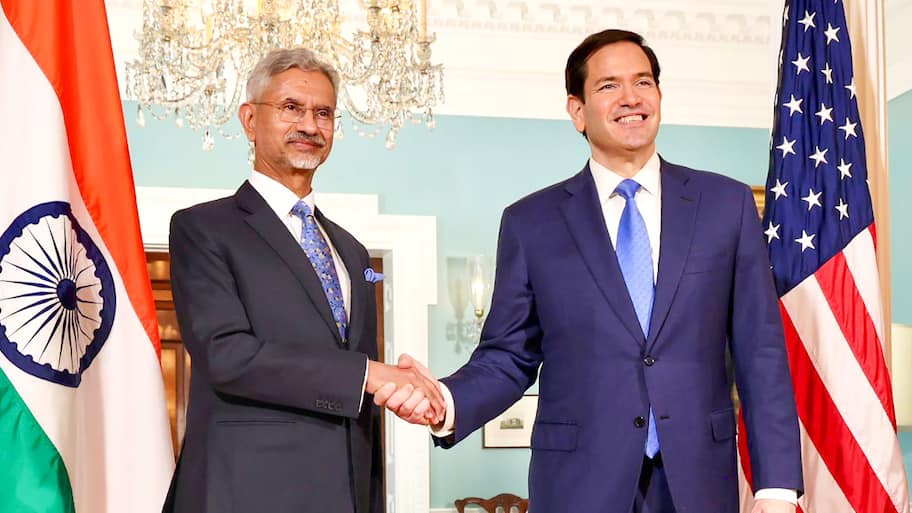
Diplomatic ties between New Delhi and Washington face a decisive test as United States Secretary of State Marco Rubio lands in India for a two-day official visit. The trip takes place against the backdrop of intricate global energy politics, hardline US trade negotiations, and India’s strategic procurement of discounted Russian crude. With high-profile interactions scheduled across Mumbai, Jamnagar, and New Delhi—including meetings with External Affairs Minister S. Jaishankar and top corporate leadership—the visit is focused on hammering out a comprehensive bilateral trade agreement while navigating Washington’s evolving sanctions and tariff framework.
The 60-Day Review and Trump Administration’s Tariff Pause
The visit comes immediately after the Trump administration granted a temporary reprieve by pausing potential 100% tariffs that could have penalized third-party nations purchasing Russian crude oil. The White House initiated a 60-day review period to evaluate the real-world economic repercussions that enforcing secondary sanctions and steep tariffs would inflict on the global and American economies. Explaining Washington’s measured stance, Secretary Rubio openly acknowledged that while India has voluntarily made efforts to diversify its import basket, it is virtually impossible for an economy powering over 1.4 billion people to abruptly pivot away from established energy sources overnight.
The Realities of Indian Energy Security and Crude Refining
India imports over 85% of its crude oil requirements, making affordable energy access an existential priority for domestic inflation management and industrial growth. Following geopolitical disruptions across the Middle East and traditional maritime chokepoints, discounted Russian barrels became a critical stabilizing factor for domestic refiners. Furthermore, Indian refineries—including private and state-run complexes—are heavily configured to process specific heavier crude blends, making a total shift toward lighter American grades technically demanding and commercially complex without extensive blending. For New Delhi, securing long-term economic stability takes precedence over external political pressure, a position Indian negotiators have consistently defended on global platforms.
Balancing Strategic Partnership Against Geopolitical Red Lines
Despite sharp frictions surrounding energy purchases and punitive trade legislation, both administrations recognize each other as indispensable strategic partners, particularly within the Quad framework and Indo-Pacific security architectures. As negotiations for the proposed bilateral trade pact near the finish line, Washington is using tariff waivers as constructive diplomatic leverage rather than a blunt instrument of coercion. Moving forward, the outcome of Rubio’s visit and the subsequent 60-day review will determine whether pragmatic trade concessions can successfully insulate the India-US strategic roadmap from the crosswinds of Eurasian energy disputes.