North India Statesman
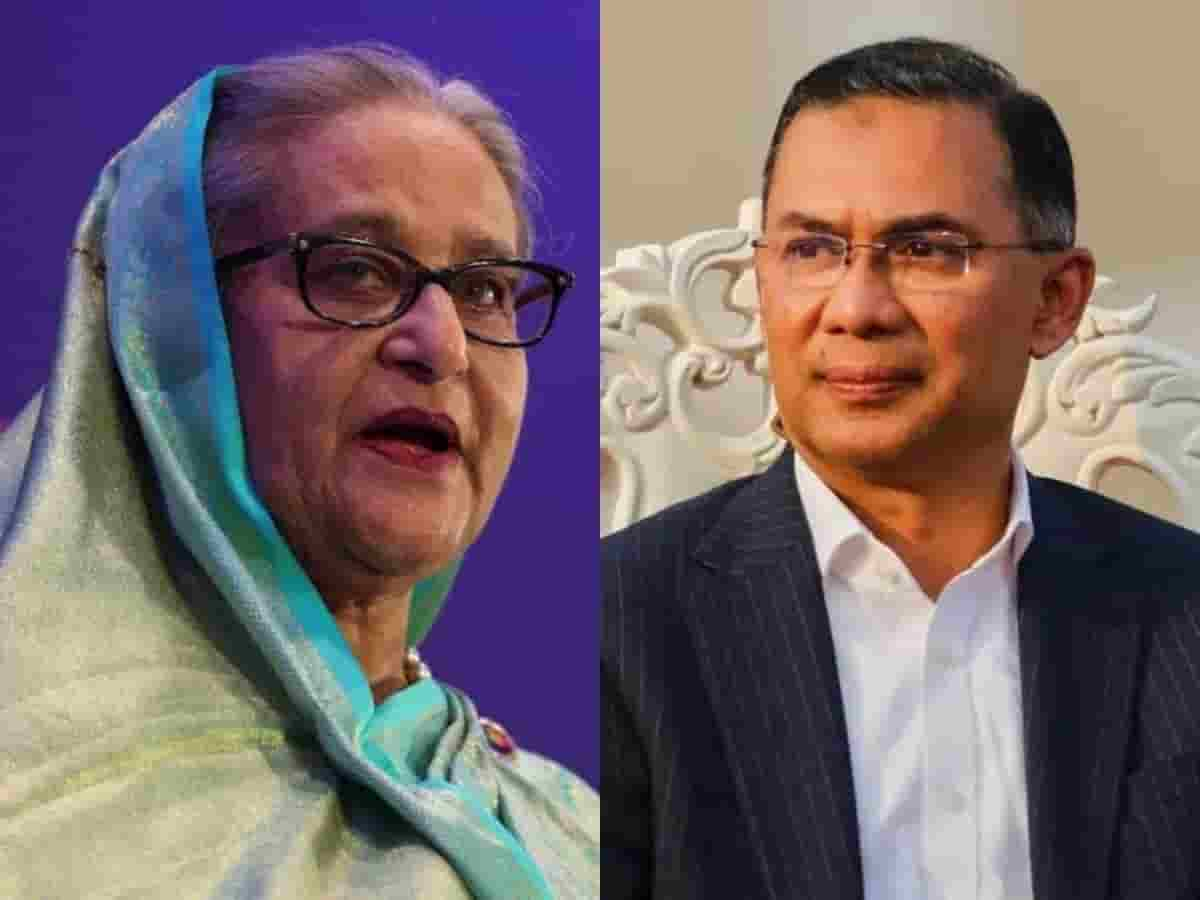
A high-stakes diplomatic and legal standoff has erupted between New Delhi and Dhaka over the fate of ousted Bangladeshi Prime Minister Sheikh Hasina. Having lived in exile in India since August 2024 following the student-led uprising that toppled her 15-year administration, the 79-year-old Awami League leader has publicly vowed to return to Bangladesh in December 2026. Yet as her legal team pushes for travel documents to make that journey possible, the government in Dhaka has drawn a hard line: it will not facilitate a voluntary homecoming through a renewed passport, insisting instead that New Delhi hand her over strictly under the bilateral extradition treaty. By framing the dispute around “not passport, but extradition,” Prime Minister Tarique Rahman’s administration has effectively stalled Hasina’s planned return on her own terms while placing India in a delicate diplomatic bind.
How Is Dhaka Stalling Sheikh Hasina’s Voluntary Return?
The latest friction began on November 9, 2026, when Hasina’s London-based legal counsel, Steven Powles KC of Matrix Chambers, formally wrote to the Bangladesh High Commission in New Delhi requesting a new passport and National Identity Card (NID). Her previous travel documents had been revoked after she fled Dhaka, leaving her without valid papers for international travel. Rather than processing the application, the High Commission initially questioned whether her counsel was duly authorized to act on her behalf—prompting Powles to send a second urgent follow-up letter on November 19 attaching a signed letter of authorization from Hasina. At the same time, senior officials in Dhaka dismissed her passport plea as a “political stunt” lacking genuine intent. Indian diplomatic observers familiar with the matter have noted that withholding a passport to prevent a citizen from returning conflates two distinct legal concepts. Under the Bangladesh Passport Order of 1973, passport restrictions function as exit-control measures meant to stop suspects from fleeing jurisdiction, not barriers to block a willing national from coming home. Moreover, legal analysts point out that denying a citizen entry into their own country runs counter to international frameworks to which Bangladesh is a party, including the Universal Declaration of Human Rights (UDHR) and the International Covenant on Civil and Political Rights (ICCPR).
Why Does Bangladesh Insist on Formal Extradition Over a Passport?
For Dhaka, the distinction between a voluntary return on a regular passport and a formal handover under the 2013 India–Bangladesh Extradition Treaty carries immense legal and political weight. Following her ouster, Bangladesh’s International Crimes Tribunal convicted Hasina in absentia for crimes against humanity and handed her a death sentence in November 2025. Law Minister Md Asaduzzaman has repeatedly described her not as a political exile, but as a “convicted criminal” whose return must follow treaty channels. State Minister for Foreign Affairs Shama Obaed Islam reinforced that stance on November 16, rejecting reports that India had sought preconditions—such as a fresh trial or extended appeal rights—before handing her over. According to Dhaka’s legal establishment, the Supreme Court’s Appellate Division has no statutory authority to condone delays in filing appeals under the special tribunal law, meaning Hasina faces immediate custody and the enforcement of her sentence upon arrival. Allowing her to fly back independently on a valid passport could turn her arrival at Dhaka airport into a high-voltage political spectacle—and potentially complicate custody procedures if she challenges her trial’s legitimacy the moment she lands.
Is Dhaka’s Hardline Stance a Calculated Diplomatic Gamble?
While insisting on extradition satisfies domestic political sentiment in Bangladesh, diplomats across New Delhi, Kolkata, and Dhaka view the strategy as a risky gamble with far-reaching consequences. By refusing to issue an emergency travel document or passport, Dhaka has paradoxically created the very bureaucratic hurdle that prevents Hasina from leaving India. As Ministry of External Affairs (MEA) spokesperson Randhir Jaiswal emphasized, any international movement requires valid travel documentation, and India continues to treat Bangladesh’s extradition requests as a complex legal process governed by treaty safeguards—including provisions that allow a requested state to weigh political motivations or fair-trial concerns. Meanwhile, the impasse is already casting a shadow over broader bilateral cooperation. Last week, the fifth round of the Bangladesh–India Consular Dialogue scheduled for November 17–18 was postponed, even as both neighbours prepare for critical negotiations over the renewal of the 1996 Ganga Water Sharing Treaty, which is nearing expiry. For Prime Minister Tarique Rahman’s government, pressing New Delhi publicly while keeping travel documents frozen risks prolonging a diplomatic stalemate at a time when trade, border security, and river-water agreements require steady engagement.
What Happens Next as December Approaches?
With December just days away, tensions inside Bangladesh are already flaring over Hasina’s promised homecoming. Supporters of her banned Awami League recently staged nationwide shutdown calls that triggered clashes, crude bomb explosions, and arson attacks across multiple districts, prompting paramilitary deployments. In her recent statements, Hasina has accused Dhaka of issuing contradictory messages—demanding her extradition for two years while blocking her practical efforts to return. For New Delhi, the balancing act remains delicate: India cannot host the former premier indefinitely, yet it is equally reluctant to bypass legal scrutiny under the extradition treaty. Unless Dhaka either processes her passport application or engages quietly through diplomatic back channels, the tug-of-war between voluntary return and forced extradition looks set to test India–Bangladesh relations well into the new year.