North India Statesman
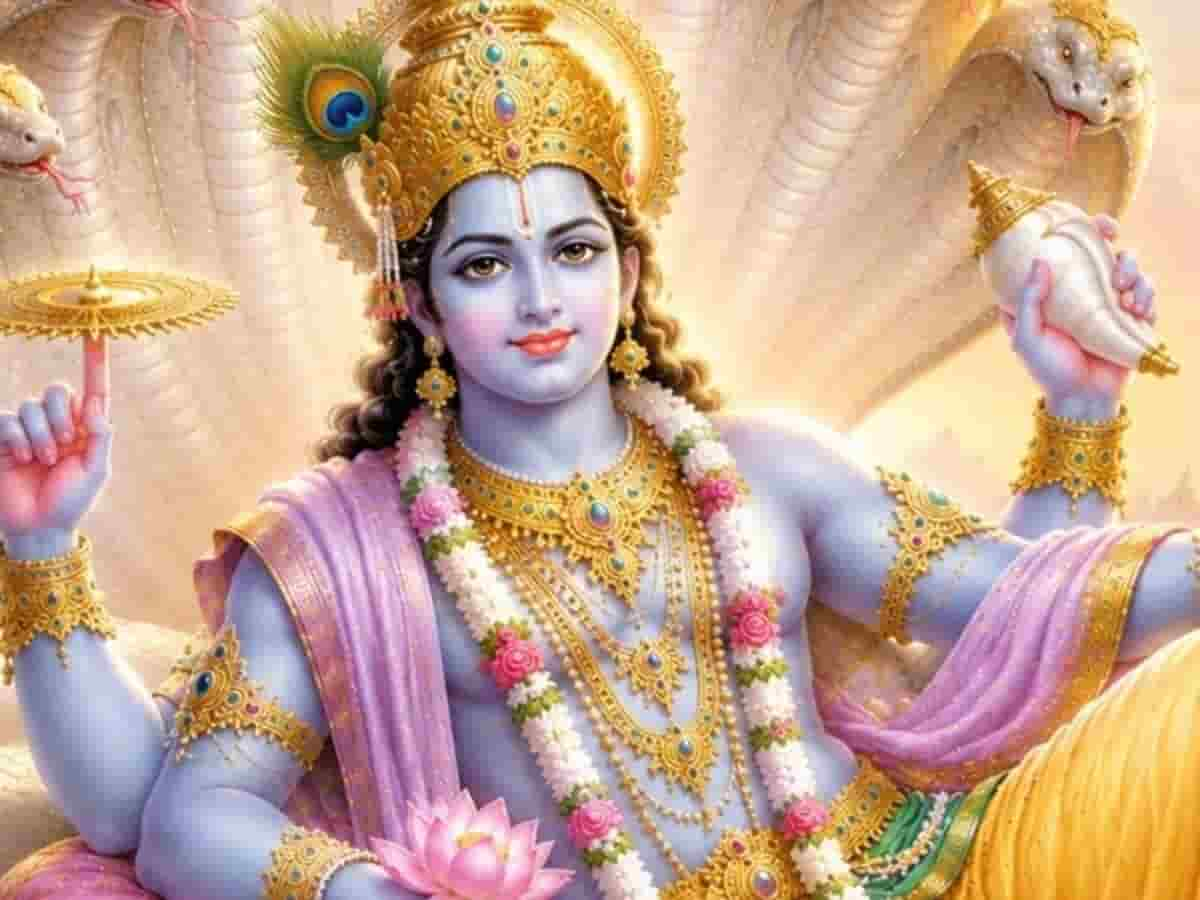
Papankusha Ekadashi, observed during the auspicious Shukla Paksha of the Ashwin month, holds a uniquely profound place in the Vaishnava tradition because it is dedicated specifically to the worship of Lord Vishnu in His glorious form as Padmanabha. The Sanskrit title Padmanabha directly translates to “He from whose lotus navel the universe emerges” (Padma meaning lotus, and Nabha meaning navel). While every Ekadashi honors the supreme preserver of existence, meditating upon and worshipping the Padmanabha aspect connects the seeker directly to the primordial source of cosmic creation, balance, and liberation. Observing this sacred day with focused reverence toward this distinct manifestation is believed to curb accumulated negative karma, sever the knots of worldly delusion, and restore spiritual equanimity.
Decoding the Cosmic Symbolism: The Divine Architecture of Anantha Padmanabha
To worship Lord Padmanabha fruitfully, one must first understand the profound spiritual and cosmic symbolism embedded within His divine posture, known classically as Anantha Shayana. In this cosmic visual, Lord Vishnu reclines serenely upon the coils of the thousand-headed serpent, Sheshanaga (or Anantha, representing timeless infinity and steady cosmic energy), floating gently upon the pristine waters of the Kshira Sagara (the Ocean of Milk, signifying unconditioned pure consciousness).
Rising gracefully from His navel is a radiant, blooming lotus flower that carries Lord Brahma, the four-faced creator of the material realm. This grand imagery reveals that the entire cycle of creation, preservation, and dissolution emanates from the still center of the Supreme Being. Lord Padmanabha rests in Yoga Nidra—not an ordinary human sleep, but a dynamic state of transcendental meditative awareness where the universe is dreamed, maintained, and observed with supreme detachment. Meditating upon this form helps devotees cultivate internal stillness amidst the turbulent currents of everyday material duties.
Sacred Puja Vidhi: How to Worship the Padmanabha Form at Home
Worshipping the Padmanabha form on Papankusha Ekadashi requires inner purity, devotional focus, and simple yet sacred traditional offerings. Devotees begin the day during Brahma Muhurta by cleansing the home altar, bathing in pure water infused with a drop of sacred Ganga water, and lighting a brass lamp filled with pure cow ghee. A clean idol, picture, or yantra of Lord Vishnu in His reclining or four-armed posture is installed on a fresh yellow silk cloth.
The deity is offered sacred yellow flowers, fragrant sandalwood paste, chandan, and freshly washed Tulsi leaves, which are deeply dear to Lord Vishnu. Offering Panchamrit—a sacred blend of milk, curd, honey, sugar, and ghee—followed by freshly prepared seasonal fruits, roasted dry fruits, and satvik sweets sanctifies the home environment. Lighting fragrant incense and chanting the auspicious twelve-syllable mantra, Om Namo Bhagavate Vasudevaya, or the potent Sri Padmanabha Ashtakam, fills the household with uplifting vibrations and clears stagnant negative energy.
Inner Transformation: Embracing the Lessons of the Lotus Navel
Beyond external ceremonial worship, contemplating the Padmanabha form imparts invaluable lessons for mindful living. The lotus rooted in the navel represents purity and transcendence: even while rooted in the murky waters of earthly desires, the lotus rises untainted, opening its petals exclusively toward divine light. Similarly, a devotee is reminded to engage in daily worldly actions without being stained by attachment, ego, or anger.
By anchoring the restless mind in the tranquil essence of Lord Padmanabha during Papankusha Ekadashi, one awakens the inner spark of discernment, allowing peace to replace stress, and devotion to dissolve past transgressions. Engaging in acts of charity, feeding cows, sharing food with the less fortunate, and observing quiet reflection alongside this worship completes the spiritual vows of this sacred tithi.