North India Statesman
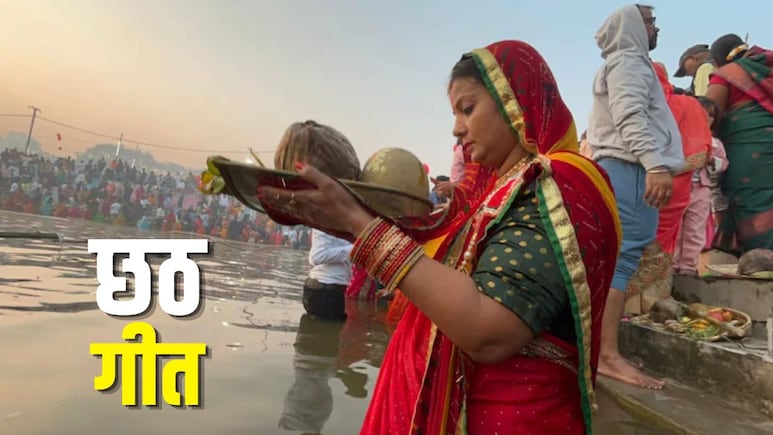
Every year as autumn transitions into early winter, the air across northern India—particularly in Bihar, Jharkhand, and eastern Uttar Pradesh—fills with an unmistakable aura of piety, cleanliness, and absolute devotion. Chhath Puja is not merely a festival; it is a rigorous spiritual journey of gratitude dedicated to Surya Bhagwan (the Sun God) and Chhathi Maiya. Throughout the four-day observance, devotees stand knee-deep in sacred river waters, offering Arghya to the setting and rising sun while fasting rigorously without water. Yet, what truly breathes life into this austere festival is the soul-stirring chorus of traditional folk songs echoing from every courtyard, riverbank, and household. These melodies, passed down through generations, carry the collective prayers, hopes, and cultural heritage of millions. Singing these timeless tracks transforms the environment into a haven of divine grace, ensuring that Chhathi Maiya’s protective blessings remain steadfast upon the household.
1. “Kelwa Ke Paat Par Ugal Suraj Mal Jhulki Nandlal”: The Ultimate Invocation
At the very heart of any Chhath celebration lies one of the most iconic and beloved folk songs in Bhojpuri culture: “Kelwa Ke Paat Par Ugal Suraj Mal Jhulki Nandlal.” This exquisite composition paints a vivid mental picture of the Sun God emerging majestically amidst banana leaves during the early morning rituals. The lyrics poeticize the pure devotion of worshippers who prepare pristine offerings, known as Thekuva and seasonal fruits, in beautifully woven bamboo baskets (soop). When this song resonates across a neighborhood, it instantly unites families in a shared wave of spiritual fervor. Singing it during the preparation of the prasad or while walking toward the riverbank evokes a profound sense of surrender and reverence. It reminds every devotee of the beauty of nature, the divinity of sunlight, and the eternal cycle of renewal that Chhath Puja represents.
2. “Pahile Pahil Chhathi Maiya”: Welcoming Divine Grace into the Home
Another modern classic that has become an inseparable part of contemporary Chhath celebrations is “Pahile Pahil Chhathi Maiya.” This devotional anthem captures the raw, heartfelt emotion of someone observing the rigorous fast for the first time or returning to their ancestral homeland to partake in the sacred rituals. The gentle, melancholic yet uplifting rhythm of the song resonates deeply with anyone living away from their roots, evoking nostalgia for home-cooked prasad, family reunions, and the serene glow of earthen lamps by the water. Incorporating this melody into your daily puja routine during the four-day festival creates an emotionally charged, deeply personal connection with Chhathi Maiya. It symbolizes purity of intent, humility, and the sincere plea for family well-being, health, and prosperity.
3. “Jogiya Saare Raat Jage”: The Mystical Night Vigil and Awakening
As the sun sets on the third day of the festival, families gather for the nocturnal vigil—a magical time when stories are shared, fasting women narrate the legend of Chhath, and traditional night geets keep the sleepiness at bay. Songs like “Jogiya Saare Raat Jage” or traditional sohar and kirtan tracks fill the chilly night air with warmth and spiritual energy. These songs praise the ascetic dedication required for the festival, drawing parallels between inner spiritual awakening and the eternal vigilance of nature. Chanting these verses together bridges generations, as elders teach the lyrics to younger children, ensuring that the rich oral tradition of Chhath remains vibrant, alive, and deeply rooted in cultural consciousness.
Conclusion: Keeping the Flame of Tradition Burning Bright
Chhath Puja is a profound reminder of the harmonious bond between human existence and the natural elements that sustain us. The songs sung during these four sacred days are not just musical performances; they are living prayers, emotional anchors, and expressions of collective gratitude. By singing these three traditional tracks in your home and at the riverbanks, you invite peace, health, and unending divine grace into your life. As the melodies fade into the morning mist after the final Arghya, the spiritual imprint they leave behind lingers in the heart, uniting families and preserving an ancient, beautiful heritage for generations to come.