North India Statesman
The arrival of late autumn across the Indian subcontinent brings with it an electrifying sense of spiritual rejuvenation, architectural splendor, and joyous family reunions as the sacred festival of Diwali approaches. Celebrated with unmatched fervor from bustling metropolitan hubs like Delhi-NCR, Mumbai, and Lucknow to heritage cultural centers such as Ayodhya, Varanasi, and Jaipur, Deepawali is not merely a single evening of fireworks; it is a profound five-day cosmic journey that honors prosperity, divine virtue, familial loyalty, and the triumph of eternal light over lingering darkness. In 2026, the celestial calculations and lunar panchang confirm that the sacred festival of lights will officially kick off on Friday, November 6, culminating in the main celebration of Badi Diwali on Sunday, November 8, and concluding with Bhai Dooj on Tuesday, November 10. Understanding the precise chronological sequence, Vedic tithi transitions, and spiritual significance of each day allows devotees to plan their purchases, deep-cleaning rituals, and devotional offerings with utmost astrological harmony.
Day 1: Dhanteras (Dhanatrayodashi) on November 6 – Welcoming Lord Dhanvantari and Goddess Lakshmi
The grand festive tapestry begins on Friday, November 6, with Dhanteras, traditionally revered as Dhantrayodashi. Falling on the thirteenth lunar day of Krishna Paksha in the month of Kartik, this day commemorates the cosmic appearance of Lord Dhanvantari—the divine physician and avatar of Lord Vishnu—who emerged from the churning of the cosmic ocean (Samudra Manthan) carrying a golden pot filled with the nectar of immortality (Amrit). Dhanteras also marks the invocation of Goddess Maha Lakshmi and Lord Kuber, the celestial treasurer. Across busy jewelry markets and shopping corridors from Chandni Chowk to Zaveri Bazaar, millions of families step out during auspicious Pradosh Kaal and Choghadiya muhurats to invest in physical gold, silver coins, polished brass utensils, new automobiles, and modern electronic appliances. Buying metals on this day is believed to invite unshakeable prosperity and shield the household from unexpected financial misfortunes. In the evening, the solemn ritual of Yamadeepdan is observed, wherein a four-wicked flour lamp fueled with mustard oil is lit facing south outside the main entrance to ward off untimely health hazards and untimely demise.
Day 2: Choti Diwali and Naraka Chaturdashi on November 7 – The Victory of Light Over Inner Darkness
On Saturday, November 7, the celebration transitions into the vibrant second day, known variously as Naraka Chaturdashi, Roop Chaudas, or Choti Diwali. Scriptural lore recounts how Lord Krishna and his divine consort Satyabhama vanquished the tyrant demon Narakasura on this sacred fourteenth lunar day, liberating sixteen thousand captive souls and restoring peace to the cosmos. Across traditional households in northern and western India, the day begins long before dawn with the ancient ritual of Abhyanga Snan—a therapeutic holy bath utilizing fragrant ubtan (a herbal paste made from gram flour, turmeric, sandalwood, and rosewater) and warm sesame oil. This sacred cleansing is designed to wash away physical exhaustion, cleanse the aura, and bestow radiant health and youthfulness. Homes are adorned with colorful rangoli motifs made from powdered rice and fresh marigold flowers at doorways, while fourteen earthen diyas (choudah deepak) are placed in quiet corners, terraces, and near water sources at dusk to dispel residual negativity and prepare the sanctum for Goddess Lakshmi’s divine entry.
Day 3: Badi Diwali and Maha Lakshmi Puja on November 8 – Auspicious Tithi, Timings, and Rituals
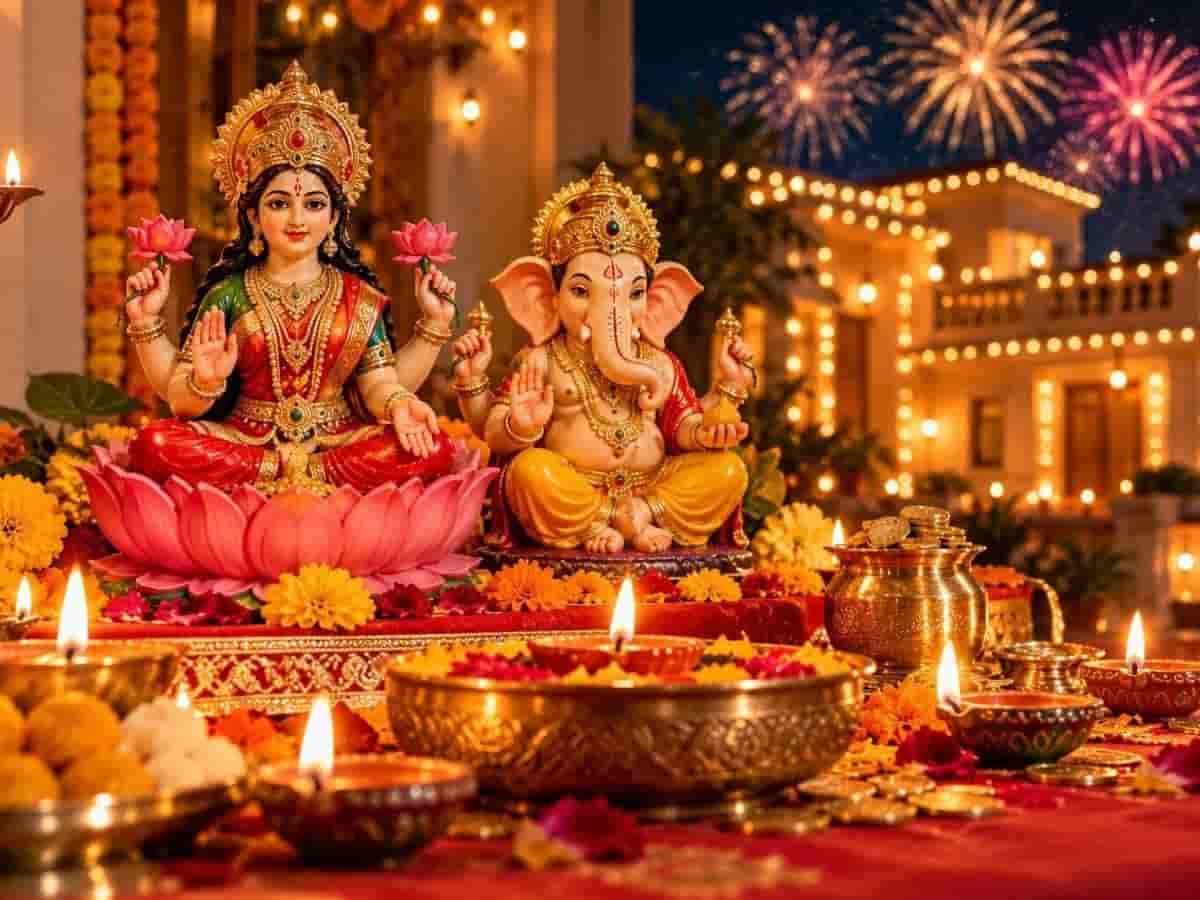
The radiant zenith of the festive week arrives on Sunday, November 8, with the grand celebration of Deepawali, observed during the profound darkness of the Kartik Amavasya tithi. This sacred night marks the triumphant return of Lord Rama, Mata Sita, and Lakshmana to Ayodhya after fourteen years of exile and the decisive defeat of Ravana, an event famously commemorated by the citizens of Ayodhya who illuminated every street with earthen lamps. Modern Diwali night is dedicated entirely to the worship of Goddess Maha Lakshmi, Lord Ganesha, and Saraswati to invoke holistic abundance, moral intellect, and enduring fortune. The most auspicious window for conducting the primary Diwali pujan occurs during the Pradosh Kaal and the fixed Taurus ascendant (Vrishabha Lagna), where the presence of the goddess becomes permanent within the clean, illuminated household. Business establishments, corporate offices, and traditional traders conduct the venerable Chopda Pujan, sanctifying fresh ledger books, digital workstations, and financial vaults with saffron swastikas and sacred mantras. After the worship concludes, rows of warm mustard-oil and ghee diyas light up rooftops, courtyards, and window sills, turning every town and city into a breathtaking constellation of golden stars.
Day 4: Govardhan Puja and Annakut on November 9 – Honoring Nature, Cattle, and Lord Krishna’s Divine Shield
On Monday, November 9, the festive spirit expands into ecological gratitude with Govardhan Puja, also celebrated as Annakut and Bali Pratipada. This day commemorates the legendary event in the holy land of Braj where young Lord Krishna lifted the massive Govardhan Hill on his little finger for seven consecutive days, shielding villagers and cattle from the torrential wrath of Lord Indra. In residential courtyards and rural village grounds, families craft miniature representations of Govardhan Mountain using clean cow dung, decorating it with flowers, sugar candies, and clay figurines of cowherds. Devotees perform circumambulation (parikrama) around the symbolic mound, offering deep reverent prayers for nature’s agricultural fertility and domestic livestock well-being. Central to the day’s observances is the preparation of the Annakut feast—a massive mountain of food comprising fifty-six distinct satvik delicacies (Chhappan Bhog) and vegetable curries made with seasonal greens—which is offered with profound devotion to Lord Krishna before being shared among family members and local community members as divine prasad.
Day 5: Bhai Dooj (Yama Dwitiya) on November 10 – Celebrating the Sacred Bond of Siblings
The monumental five-day festival reaches its heartwarming finale on Tuesday, November 10, with Bhai Dooj, traditionally celebrated on the Dwitiya Tithi of Shukla Paksha as Yama Dwitiya. Rooted in profound mythological antiquity, this festival commemorates the visit of Lord Yama, the god of death, to the home of his beloved sister, the holy river goddess Yamuna. Overjoyed by her brother’s presence, Yamuna prepared an elaborate banquet and applied an auspicious vermilion tilak to his forehead, praying fervently for his eternal life and glory; in return, Lord Yama decreed that any brother who receives a tilak and eats food prepared by his sister on this day shall be safeguarded from accidental misfortune. During the ritual, sisters seat their brothers on wooden chaukis, apply a ceremonial tilak made of roli, sandalwood, and unbroken rice grains, tie sacred moli around their wrists, and offer sweet coconut laddoos. In return, brothers offer loving gifts, blessings, and lifelong pledges of protection, wrapping up the glorious Deepawali season on a note of enduring affection, family harmony, and collective spiritual prosperity.
Regional Vibrancy and Essential Preparations: Making the Most of Diwali 2026
Across India, this five-day festival is experienced through distinct regional traditions that reflect localized devotion and architectural celebration. In Uttar Pradesh, the world-renowned Deepotsav in Ayodhya illuminates the banks of the Saryu River with millions of lamps, creating a global spectacle that sets international records, while the ghats of Varanasi prepare for the majestic Dev Deepawali just a fortnight later. In West Bengal and eastern states, the night of November 8 transforms into the fierce and devotional worship of Maa Kali, where temples resonate with chants and floral offerings to destroy inner ignorance. To experience the maximum spiritual and material benefits of the 2026 festive cycle, households should initiate their pre-Diwali decluttering, repair broken household fixtures, arrange authentic clay diyas crafted by local artisans, and source genuine puja samagri well before November 6. By honoring the exact dates, shubh muhurats, and deep philosophical foundations of each day from Dhanteras to Bhai Dooj, you invite eternal light, righteous wealth, and unshakeable inner peace into your home for the entire coming year.