North India Statesman
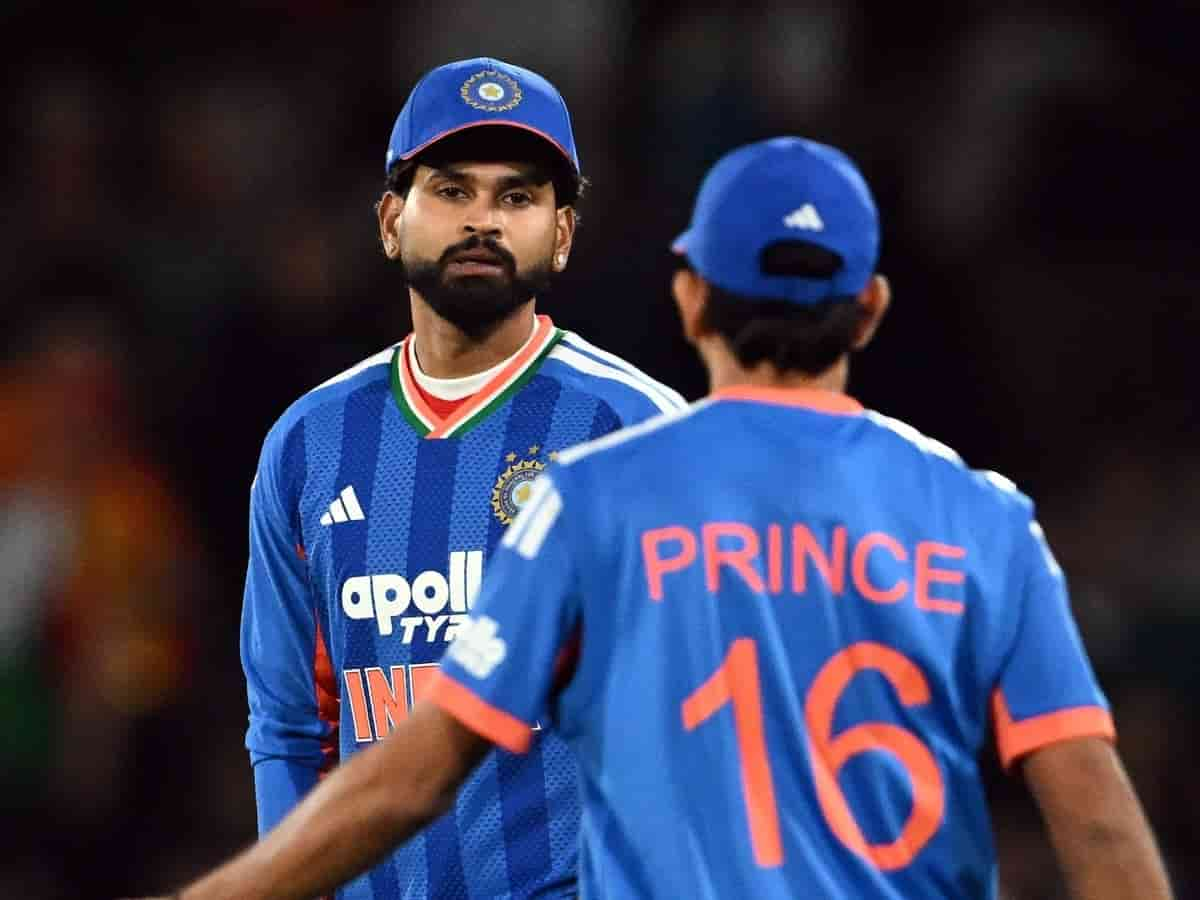
A major statistical debate has gripped Indian cricket following the conclusion of the five-match T20 International series against New Zealand. While Team India sealed the series 3-2 to secure their first T20I bilateral trophy in a SENA nation under Shreyas Iyer’s leadership, the campaign ended on a bittersweet note after back-to-back defeats in the fourth and fifth fixtures. The 7-wicket loss at Seddon Park in Hamilton marked Iyer’s 10th T20I defeat as captain since taking over the reins in June 2026—a slump that materialized in just five months. Analysts and media reports have pointed out that this rapid accumulation of losses represents a sharp reversal from the stability Team India enjoyed across the previous 32 months.
The Context: 10 T20I Losses in Just Five Months
Shreyas Iyer was entrusted with India’s T20I captaincy following the 2026 T20 World Cup, succeeding Suryakumar Yadav. However, his captaincy journey began on turbulent ground:
-
Tough European Outing: India suffered four defeats in their first five matches under Iyer during the tour of Ireland and England, enduring an uncharacteristic run of losses early in the transition phase.
-
Loss of the World No. 1 Throne: The T20I series loss in England ended India’s 54-month streak at the peak of the ICC Men’s T20I Team Rankings.
-
Reaching Double Digits Fast: With the two consecutive losses in Auckland and Hamilton after gaining an unassailable 3-0 lead against New Zealand, Iyer reached 10 career T20I defeats as captain inside just 150 days. By comparison, former captain Rohit Sharma absorbed only 8 T20I losses throughout his entire 29-match campaign across all of 2022, and registered just 12 losses over his entire international captaincy tenure in the format.
Why the ’32-Month’ Comparison Stings
Between the end of 2022 and early 2026, the Indian T20I setup established a period of near-total dominance across bilateral cricket and ICC events. Under the leadership of Rohit Sharma, Hardik Pandya, and Suryakumar Yadav, the side maintained an overwhelming win-loss ratio, dropping single fixtures only sporadically and rarely conceding multiple bilateral series in a short window.
The transition into the post-World Cup cycle, coupled with an influx of fresh personnel and experimental bowling rotations, disrupted that consistency. Where India previously went almost three years without facing recurring losing streaks, the team experienced two series losses abroad and dropped 10 matches in five months, giving rise to intense scrutiny from fans and former players alike.
Strategic Experimentation or Ground Lapses?
Addressing the media following the Hamilton fixture, Iyer acknowledged the tactical vulnerabilities while defending the team’s aggressive experimentation. Having already wrapped up the series 3-0, the team management used the final two matches to test bench strength, alter batting orders, and push younger bowlers into high-pressure scenarios.
However, former cricketers like Mohammad Kaif pointed to glaring issues on the field—including dropped catches, inconsistent powerplay lines, and middle-order collapses—that proved costly against top-tier opposition. Iyer himself admitted that India’s fielding and death-overs execution required significant refinement ahead of major tournaments.
The Road Ahead
Despite the unwanted statistical milestone, Iyer’s stint has shown clear offensive upside: India crossed the historic 400-six mark in a single calendar year during 2026, and youngsters like Naman Dhir, Abhishek Sharma, and Ishan Kishan have stepped up to take match-winning roles. As the bilateral focus now shifts to fifty-over cricket, the lessons from the shortest format will remain critical for the team management in stabilizing their tactical blueprint across foreign conditions.