North India Statesman
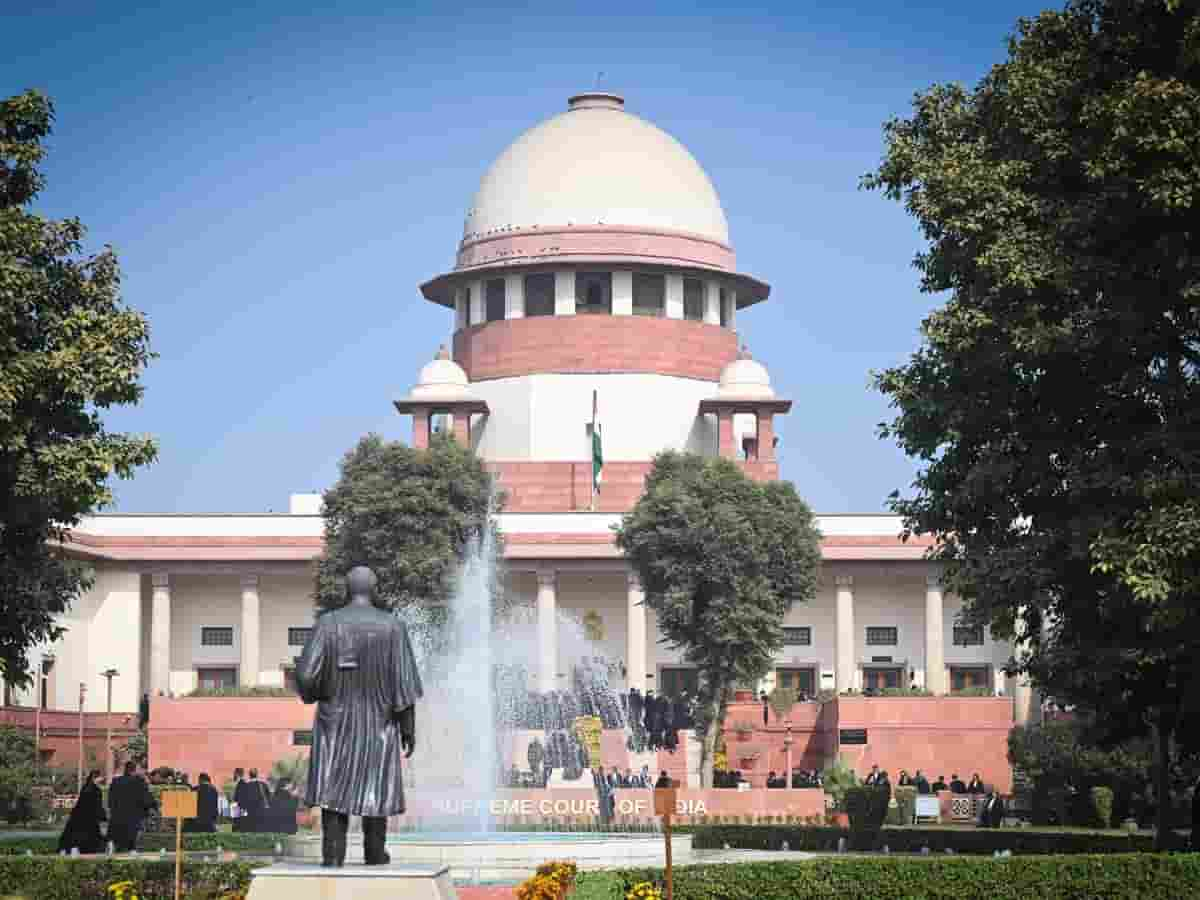
The Supreme Court of India declined to entertain a public interest litigation seeking mandatory periodic rotation of legislative assembly and Lok Sabha constituencies reserved for Scheduled Castes (SC) and Scheduled Tribes (ST). A three-judge bench comprising Chief Justice of India Surya Kant, Justice Joymalya Bagchi, and Justice V. Mohana upheld an Allahabad High Court ruling, affirming that the judiciary cannot act as a “third chamber of Parliament” to rewrite election statutes. Addressing the petitioner’s plea to mirror local body reservation systems in parliamentary and assembly segments, the bench made it clear that electoral policy changes rest entirely within the legislative domain of elected representatives.
Why Seats Are Reserved for SCs and STs in India’s Democratic Architecture
Political reservation for Scheduled Castes and Scheduled Tribes is governed by Articles 330 and 332 of the Constitution of India, read alongside the Delimitation Act, 2002. Designed as a constitutional safeguard to rectify centuries of historical marginalization and ensure proportional political representation, the framework mandates that seats in the Lok Sabha and State Legislative Assemblies be reserved in proportion to the SC and ST population within each state. Under Section 9(1)(c) of the Delimitation Act, the Delimitation Commission locates these reserved constituencies in geographical clusters where the demographic concentration of SC and ST communities is comparatively the highest.
The Voter’s Grievance: The Demand for Rotational Reservation
The legal challenge reached the top court after a voter from Uttar Pradesh filed an appeal against the Allahabad High Court’s judgment upholding Section 9(1)(c) of the Delimitation Act, 2002. The petitioner argued that because certain constituencies have remained locked under the reserved category for several decades, general category voters and aspiring local leaders have been deprived of the opportunity to contest from their home segments. Drawing comparisons to municipal corporation and panchayat elections—where reserved wards are periodically rotated—the petitioner claimed that the absence of a rotation mechanism in parliamentary and assembly segments violates Article 14 (Right to Equality) and claimed that only a handful of families benefit repeatedly.
‘We Cannot Play the Role of a Third Chamber’: CJI Surya Kant’s Sharp Retort
Dismissing the plea, Chief Justice of India Surya Kant told the petitioner’s counsel that approaching the courts for statutory amendments was a fundamentally misplaced step.
“You are dialling the wrong number. This is a season of dharna, protest, etc. You should also do the same,” the CJI remarked in a lighter vein, underlining that policy restructuring must be addressed to the people’s representatives rather than the judiciary.
CJI Surya Kant emphasized:
-
Separation of Powers: The court cannot judicially rewrite constitutional provisions or the Delimitation Act to mandate rotation.
-
Legislative Prerogative: Whether the current demarcation model creates societal division or requires a fresh look is a question solely for Parliament to debate, examine, and amend.
-
Wrong Forum: If citizens believe the time has come to revisit the reservation architecture, they are free to lobby lawmakers and public representatives.
Right to Vote vs. Right to Contest: Justice Joymalya Bagchi Demolishes Caste Assumptions
The bench also addressed the petitioner’s premise that voters make democratic choices strictly on caste or religious lines. Justice Joymalya Bagchi observed that in a multi-party parliamentary democracy, citizens vote primarily for competing political ideologies and party manifestos rather than an individual candidate’s caste identity.
Justice Bagchi clarified:
-
The Right to Vote Remains Intact: A voter’s franchise is never compromised simply because a constituency is reserved, as every eligible citizen exercises their vote freely regardless of community backgrounds.
-
Right to Contest Is Not Confined to One Seat: Candidates belonging to the general category are not barred from electoral politics; they remain completely eligible to contest elections from unreserved constituencies across the state or country.
Supreme Court Upholds Allahabad HC Verdict
Concluding the hearing, the Supreme Court noted that while the High Court had observed that rotation could theoretically be considered by lawmakers, no constitutional court possesses the authority to issue a writ of mandamus compelling Parliament to legislate. Upholding the constitutional validity of Section 9(1)(c) of the Delimitation Act, the apex court closed the matter, leaving any prospective debate on rotational reservations squarely in the court of Parliament.