North India Statesman
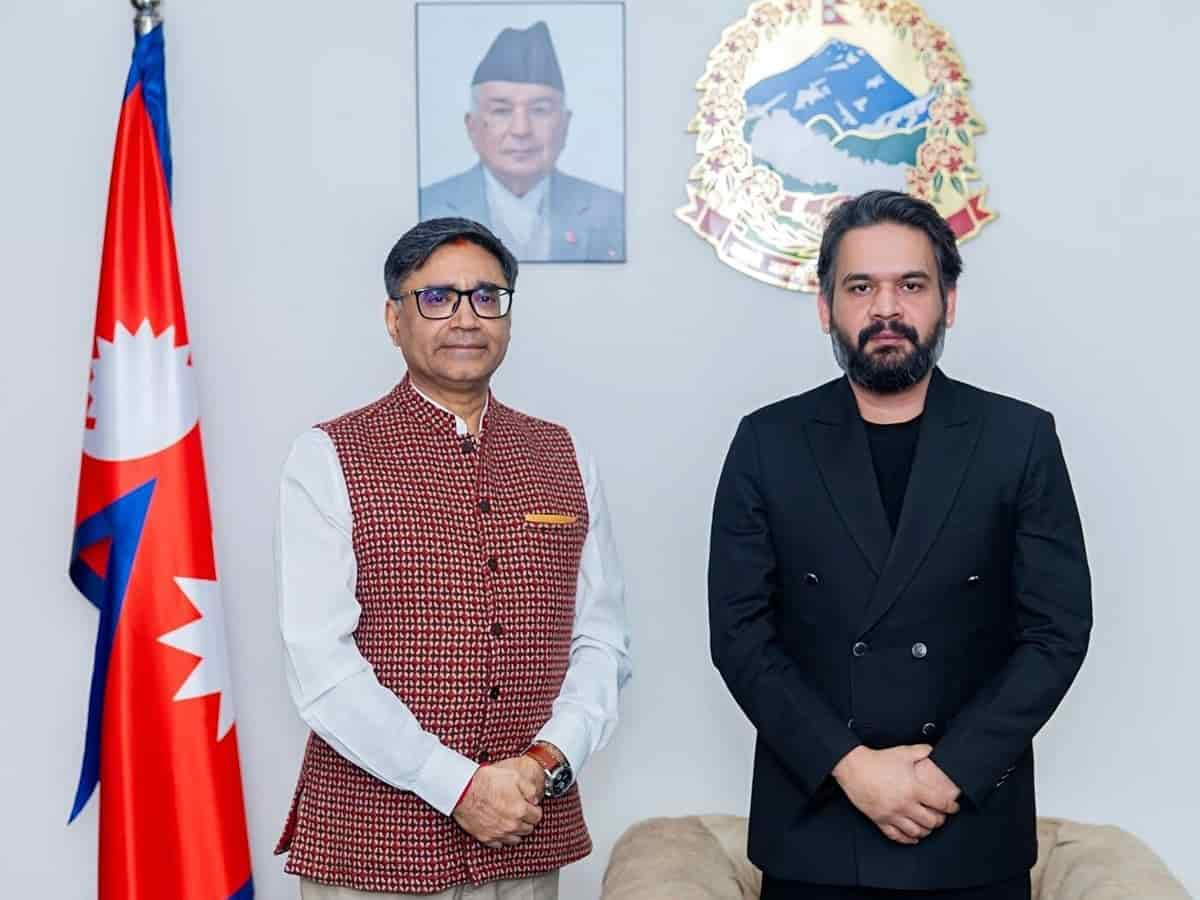
In a major diplomatic pivot signaling warmer ties between Kathmandu and New Delhi, Nepal’s Prime Minister Balendra “Balen” Shah has confirmed an official three-day bilateral visit to India starting November 22. The trip marks Shah’s first formal bilateral state visit abroad since assuming the premiership.
The decision has drawn intense spotlight in Himalayan political circles because it requires the young, nationalist leader to break self-imposed diplomatic rules that had defined his early tenure. Beyond overriding his previous pledge to avoid bilateral overseas tours in his first year, Shah broke his strict internal meeting protocol by granting a direct audience to Indian Foreign Secretary Vikram Misri in Kathmandu, clearing the path for high-level summits with Prime Minister Narendra Modi and top Indian leadership in New Delhi.
The Protocol Shift: How Rules Were Bent for New Delhi
When Balen Shah rode an anti-establishment wave to lead Nepal’s government following widespread youth protests, he established strict administrative and diplomatic protocols aimed at signaling domestic self-reliance and asserting institutional sovereignty:
-
No Direct Meetings with Foreign Diplomats: He laid down a rule barring foreign ambassadors and visiting civil servants from private audiences, directing all interactions strictly through the Ministry of Foreign Affairs.
-
One-Year Foreign Travel Freeze: He publicly declared that he would refrain from embarking on bilateral foreign state trips during his first twelve months in office to concentrate entirely on domestic governance reforms.
-
Strict Reciprocal Ranking: When Indian Foreign Secretary Vikram Misri originally sought to visit Kathmandu on May 11, the meeting fell through after Shah’s office declined an audience on the grounds that a prime minister would not directly receive a visiting foreign secretary, leading to the trip’s cancellation.
However, the tone underwent a notable shift when Foreign Secretary Misri arrived on an official two-day tour in Kathmandu. Setting aside previous protocol restrictions, Prime Minister Shah welcomed Misri for a comprehensive bilateral discussion, reviewing visit logistics and signaling a pragmatic recalibration in Nepal’s neighborhood diplomacy.
What Changed? Flood Relief and Humanitarian Diplomacy
The shift in Kathmandu’s posture follows pivotal disaster diplomacy during devastating natural calamities.
On August 26, severe flash floods triggered by cloudbursts along the Trishuli and Bhote Koshi river basins caused massive infrastructure destruction and displaced thousands in central Nepal. India responded immediately with emergency relief supplies, heavy rescue equipment, and technical teams to restore damaged river corridors and transit lifelines.
The swift humanitarian response transformed the bilateral dynamic. During the 81st Session of the United Nations General Assembly in New York, Prime Minister Shah publicly expressed gratitude to India for standing with Nepal during the flood disaster. Observers note that India’s rapid disaster assistance helped dispel past friction, laying the groundwork for Shah prioritizing New Delhi over Beijing for his maiden bilateral trip.
Key Bilateral Issues on the Table in Delhi
Prime Minister Shah’s November 22–25 schedule in New Delhi is set to focus on substantive economic and infrastructural deliverables:
-
Hydropower Trade & Long-Term Agreements: Accelerating clean energy exports from Nepal to India and resolving investment modalities around joint projects like the multi-purpose Pancheshwar dam.
-
Aviation & Cross-Border Entry Routes: Securing lower-altitude air entry routes near Mahendranagar to make the Gautam Buddha International Airport in Bhairahawa economically and operationally viable for international carriers.
-
Cross-Border Rail & Logistics Corridors: Advancing physical connectivity initiatives, including the Raxaul–Kathmandu broad-gauge railway link and upgraded integrated check posts (ICPs) to facilitate smooth cross-border commerce.
-
Flood Forecasting & Border Coordination: Institutionalizing real-time hydrological data-sharing across shared riparian networks to prevent recurring monsoon disasters.
A Pragmatic Chapter in India-Nepal Relations
By prioritizing mutual economic and infrastructural cooperation over procedural protocol rigidity, Balen Shah’s upcoming visit reflects a maturing diplomatic realism. For India, hosting Nepal’s prime minister reinforces its “Neighborhood First” policy; for Kathmandu, engaging with New Delhi provides vital economic access, trade infrastructure, and regional connectivity required to fuel its national development.