North India Statesman
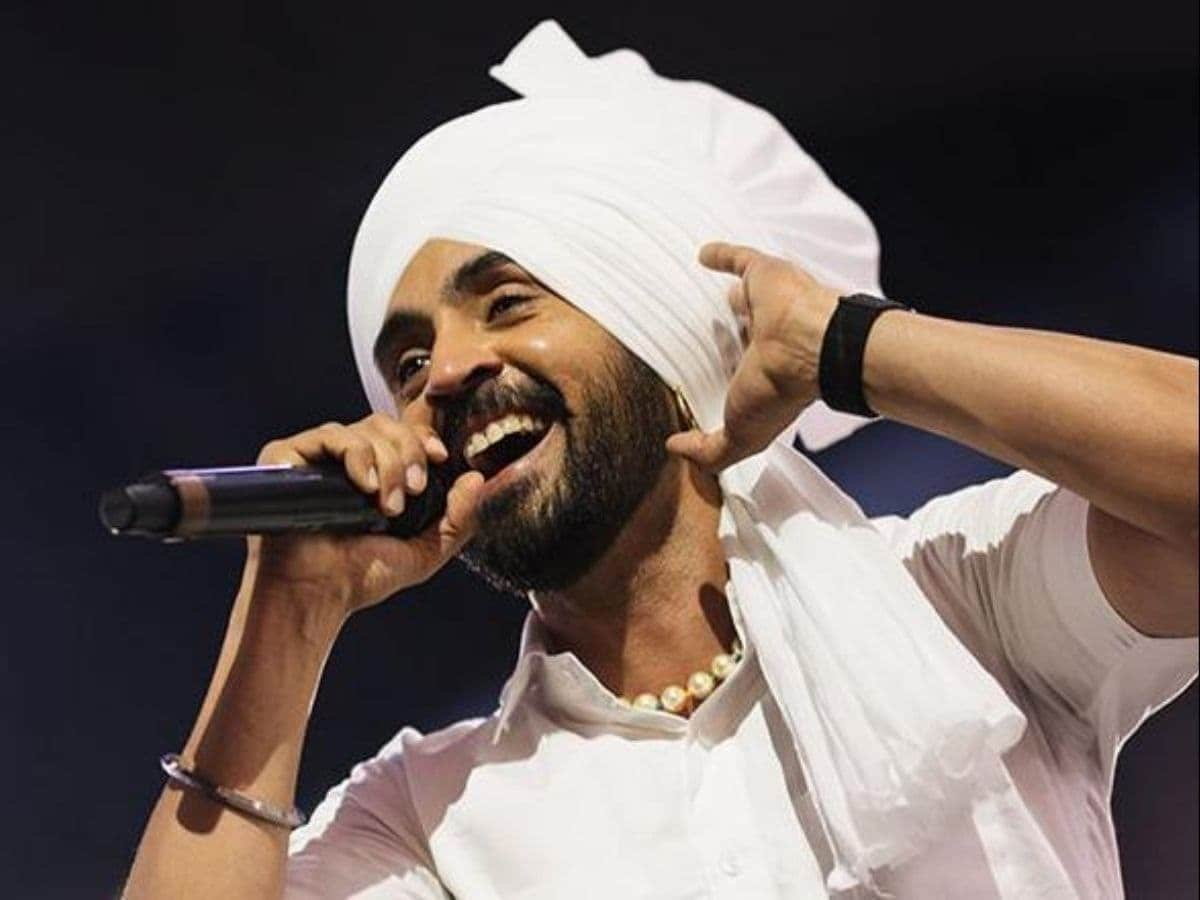
When singer-actor Diljit Dosanjh made history as the first Punjabi artist to perform at the Coachella Valley Music and Arts Festival, his triumphant roar—”Punjabi aa gaye oye!” (The Punjabis have arrived!)—became an instant pop-culture sensation. However, the catchphrase also prompted debate, with some asking why he chose to say “Punjabis have arrived” rather than announcing that “India has arrived.”
‘Regional Music Reached the World’: Diljit Breaks Down His Slogan
Addressing the question directly, Diljit explained that his slogan was never meant to separate Punjab from India, but rather to highlight the improbable global journey of regional language music.
“Punjab is a small part of India, and I come from a very small state where regional music is made. Earlier, regional music was not produced on such a grand scale, but now it has gone global. On a national level in India, there are legendary artists—I cannot sing as well as Sonu Nigam. But regional music reached Coachella from India. That feeling of coming from a small town to a global stage made that phrase come out naturally; it wasn’t scripted or planned,” he explained.
A Mother Tongue and Equal Respect for Every Indian Language
Diljit reinforced the sentiment during his stadium concerts while proudly draping himself in the Indian Tricolour on stage. Elaborating on his roots, he told cheering audiences that celebrating one’s mother tongue does not diminish national unity.
-
Rooted in Mother Tongue: “When I was born, my mother spoke Punjabi. The first word I ever learned was in Punjabi,” he shared.
-
Respect for All Indian Cultures: “Our country is home to diverse languages, and I hold equal respect for each of them—be it Hindi, Gujarati, Marathi, or Kannada. But because my mother tongue is Punjabi, that is how I speak, and that is why I say ‘Punjabi aa gaye oye.'”
For Diljit, championing his regional heritage remains his way of bringing India’s cultural diversity to the world stage, proving that music sung in an Indian regional language can sell out arenas from Delhi and Toronto to London and Los Angeles.