North India Statesman
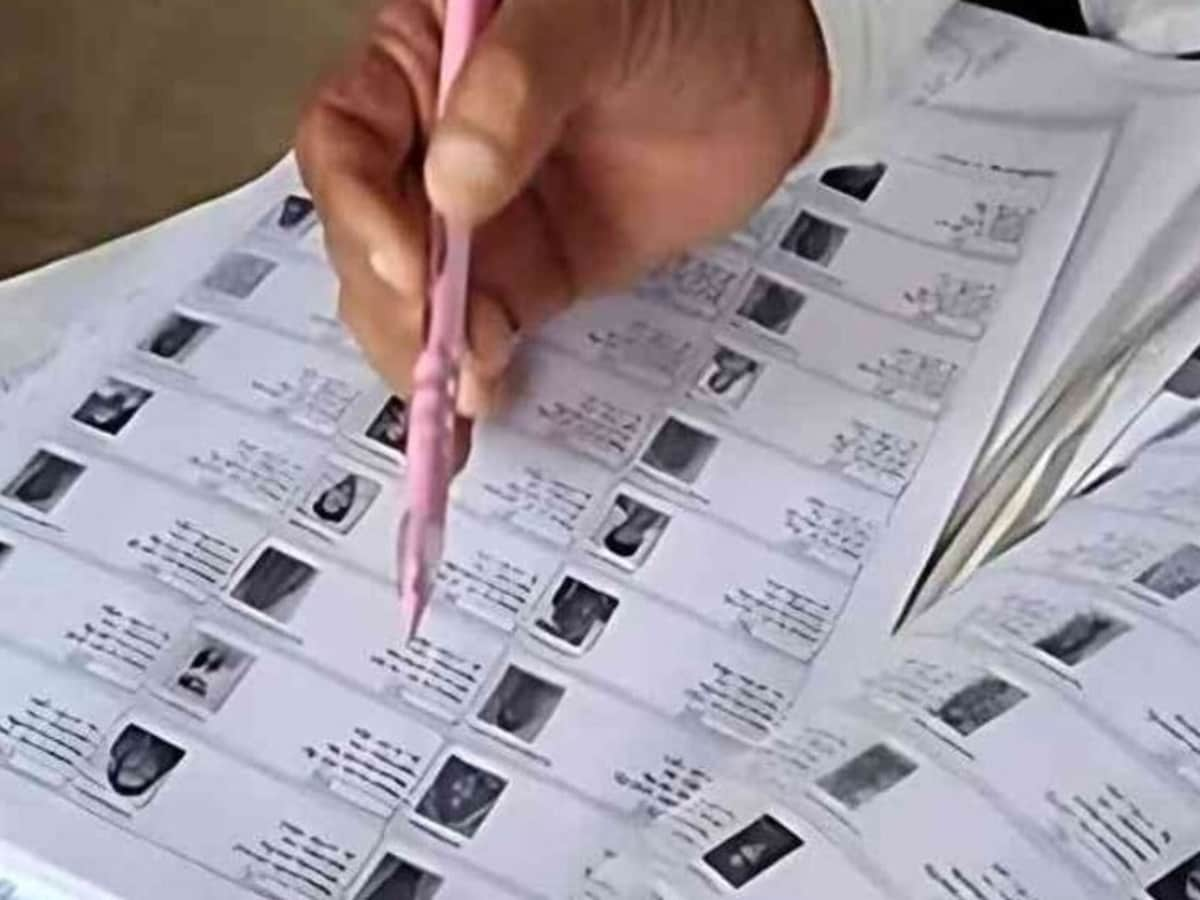
In a significant reform designed to eliminate election-day confusion and boost voter turnout, the Election Commission of India (ECI) has issued strict instructions to state electoral machineries to ensure that all registered voters of a single household are placed in the exact same polling station and section of the electoral roll. For decades, one of the most frustrating experiences for Indian households on polling day has been discovering that family members residing under the same roof were arbitrarily scattered across different polling booths, rooms, or even separate school buildings situated kilometres apart. The latest directives, issued as part of the nationwide Special Summary Revision (SSR) and polling station rationalisation drive, order election officials, Electoral Registration Officers (EROs), and Booth Level Officers (BLOs) to actively unify scattered family entries before publishing final voter lists.
The Problem: Scattered Booths and Declining Household Turnout
During recent general and assembly elections, election observation teams noticed a recurring logistical headache: despite living at identical residential addresses, parents, spouses, and adult children frequently received Voter Information Slips assigning them to completely different polling locations. This separation created unnecessary friction, especially for senior citizens, homemakers, and persons with disabilities (PwDs) who depend on family accompaniment to travel to the booth. In many cases, having to visit two separate polling centers led families to vote partially or skip voting altogether, suppressing urban and semi-urban turnout figures. Acknowledging these practical barriers, the ECI made family grouping and residential standardization mandatory parameters during the ongoing pre-revision cleanup of electoral rolls.
ECI’s Clear Directives: How Officials Must Group Families Together
Under the framework outlined for the Special Summary Revision, the Election Commission has laid down comprehensive technical and administrative guidelines:
-
One House, One Section, One Booth: Electoral Registration Officers have been directed to ensure that all electors residing in the same house, residential flat, building, or high-rise housing society tower are enrolled within the same part and section of the roll. Dividing a single family or residential unit across multiple polling stations is strictly prohibited.
-
House-to-House Physical Verification: Booth Level Officers (BLOs) are mandated to conduct ground-level physical verifications to check household rosters against existing rolls. Where family members have ended up registered under different serial numbers or adjacent parts due to past clerical errors, the entries must be brought together.
-
Standardisation of Address Fields: To prevent automated computer systems from misclassifying residents of the same house, the ECI has ordered the strict standardization of mandatory address fields, arranging voters systematically in sequence by house number and floor number.
-
Coordination Among BLO Supervisors: Before the rationalisation and re-serialisation of voter records is finalized, BLO Supervisors are tasked with coordinating across adjacent polling stations to detect and merge families scattered across neighboring booth boundaries.
Safeguards Against Wrongful Deletions and Transparency Checks
Alongside family grouping, the Election Commission has put stringent checks in place to prevent any unauthorized deletions or accidental omissions of genuine electors. State Chief Electoral Officers (CEOs) and District Election Officers (DEOs) must personally review booth records where changes exceed statutory thresholds. Furthermore, the Commission reiterated that no voter entry can be struck off solely due to the non-submission of an Aadhaar number, as Aadhaar linking remains strictly voluntary under electoral law.
What Citizens Should Do During the Draft Roll Display
Citizens will have an immediate window to verify their household details once the integrated draft electoral rolls are published at local designated centers and on the official ECI Voters’ Service Portal (voters.eci.gov.in). During the designated claims and objections period, any elector who discovers that their name or a family member’s name has been mapped to an incorrect booth can submit Form 8 for shifting of residence or correction of particulars. Newly eligible young voters who have turned 18 can simultaneously register their names using Form 6 so that their names are cataloged directly alongside their parents. By synchronizing family voting into a single unified booth, the election department aims to make polling day a smoother, community-driven democratic exercise for every Indian household.