North India Statesman
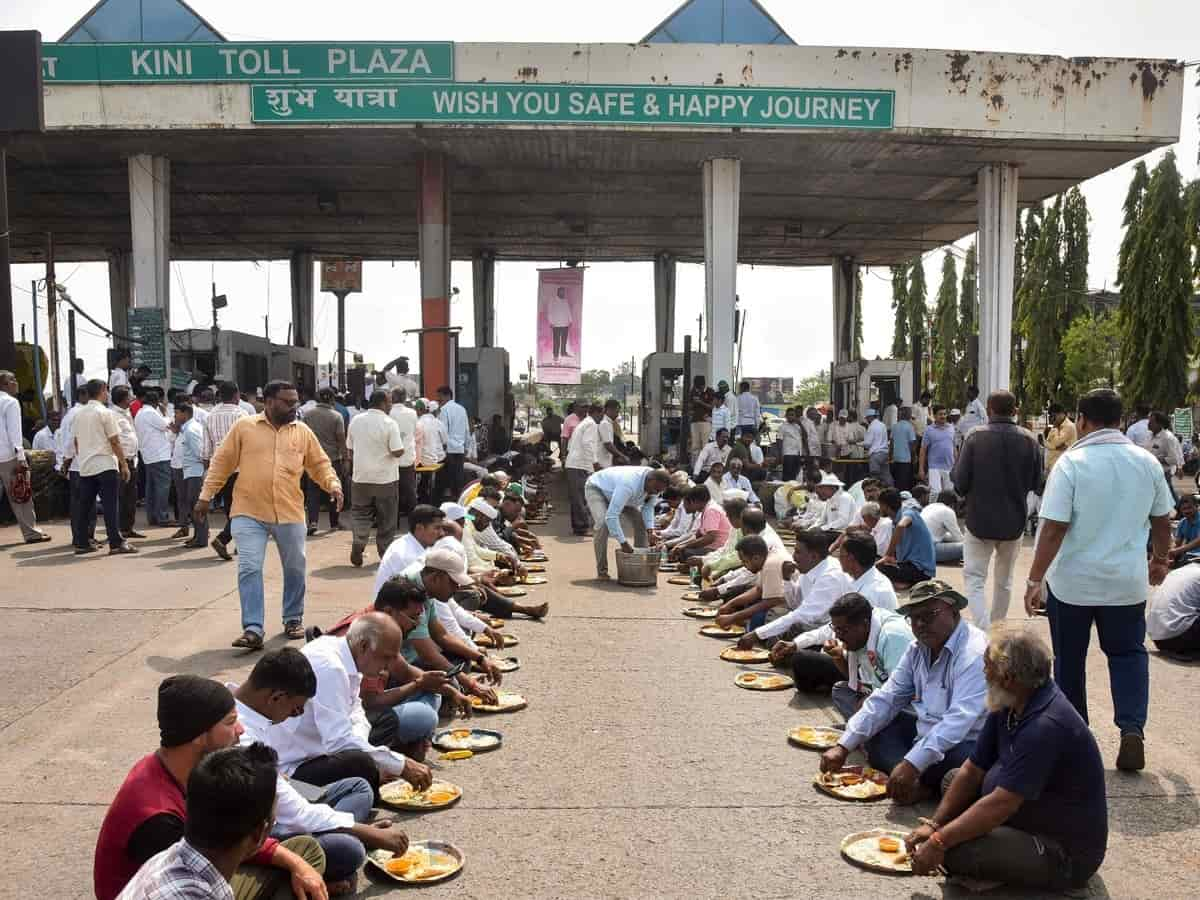
A sudden highway blockade by protesting farmer outfits along National Highway 48 (NH-48) has triggered massive logistical paralysis, leaving more than 1,500 freight-laden commercial trucks stranded and disrupting travel plans for thousands of families heading home ahead of the Diwali festive weekend. The arterial highway—the primary transit corridor connecting Delhi-NCR to Gurugram, Rajasthan, Gujarat, and Maharashtra—ground to an agonizing standstill as tractor-trolleys and sit-in demonstrations barricaded carriageways, resulting in multi-kilometer vehicular queues stretching into adjacent bypasses and arterial service lanes.
Arterial Corridor Blocked: Why Farmers Staged a Sit-In on NH-48
The flash protest erupted following a call issued by regional farmer unions and agricultural collective bodies protesting unresolved demands regarding crop procurement, compensation for unseasonal crop damage, and delays in releasing MSP disbursement balances for recent kharif harvests.
Protesters parked heavy tractor-trolleys, community kitchen setups (langars), and makeshift barricades across both northbound and southbound lanes of NH-48 near major regional junctions, preventing inter-state commercial transport and private vehicular movement from passing through. Despite district administration officials and local police launching rapid talks with union leaders to negotiate partial lane concessions, the blockade held firm through the morning and afternoon, creating an intractable bottleneck along the busy interstate expressway.
Over 1,500 Commercial Trucks Stranded with Festive Cargo
The immediate economic casualty of the blockade has been the inter-state supply chain. With the pre-Diwali week serving as the peak delivery window for retail, consumer electronics, and fast-moving consumer goods (FMCG), over 1,500 multi-axle freight carriers, container trailers, and agricultural haulers found themselves trapped in gridlock spanning more than 12 kilometers.
Truck drivers who set out to deliver festive stock to wholesale mandis and industrial logistics hubs in Delhi, Haryana, and western Uttar Pradesh have been stuck on the asphalt for over 18 to 24 hours. The situation is particularly precarious for logistics operators carrying perishable commodities:
-
Perishable Agricultural Freight: Hundreds of refrigerated and open-top trucks carrying fresh vegetables, fruits, dairy products, and festive sweets risk cargo spoilage as cooling fuel reserves run low.
-
Driver Hardship: Stranded crew members face severe shortages of drinking water, food, and basic sanitation facilities along highway stretches, relying on nearby dhabas whose supplies have been overwhelmed by the sudden influx of stranded travelers.
-
Industrial and Export Shipments: Containerized freight destined for dry ports, inland container depots (ICDs), and regional air cargo terminals has missed scheduled dispatch slots, raising concerns of significant financial penalties and delivery defaults.
Festive Commuters Face Grueling Delays on Eve of Diwali
The highway shutdown has landed a heavy blow on domestic travelers. With offices, corporate parks, and educational institutions shutting down across Delhi, Gurugram, and Noida for the extended Diwali, Govardhan Puja, and Bhai Dooj holidays, hundreds of thousands of migrant professionals and families took to the roads on Friday to visit their hometowns in Rajasthan, Haryana, and western India.
Private cars, long-distance inter-state buses operated by state transport corporations (including RSRTC and HRTC), and private sleeper coaches found themselves trapped in stationary queues. Journeys that typically take three to four hours between Gurugram and Jaipur or adjacent industrial belts expanded into 10-to-12-hour ordeals.
Families traveling with elderly relatives and young children reported running out of vehicle fuel and drinking water while idling in slow-moving traffic. The disruption spilled over onto alternative toll routes, state highways, and rural secondary bypasses as navigation applications rerouted vehicles into single-lane rural roads, causing gridlock in interior villages.
Traffic Police Issue Advisories and Emergency Diversions
To manage the escalating crisis, regional traffic police departments deployed emergency quick-response teams to establish diversion points miles ahead of the primary protest site.
-
Diversion Routes for Light Vehicles: Commuters traveling between Delhi/Gurugram and Jaipur have been urged to exit NH-48 well in advance, taking routes via the Western Peripheral Expressway (KMP), Pataudi, Rewari, and Alwar corridors to bypass the core blockade.
-
Heavy Vehicle Holding Yards: Traffic enforcement personnel have begun diverting long-haul container trucks into designated industrial staging grounds, toll plazas, and holding areas to prevent further tailbacks from locking the expressway entirely.
-
Emergency Lane Clearances: Police teams are working on the ground to negotiate dedicated green corridors through the protest line specifically for ambulances, emergency medical services, and airport-bound passengers.
High-Level Talks Underway to Clear the Highway
Senior administrative authorities, divisional commissioners, and senior superintendents of police have convened urgent rounds of dialogue with farmer union delegates to address their local administrative grievances and restore traffic flow.
While union representatives maintain that their demonstration aims to draw governmental accountability to agrarian distress, commuter bodies and commercial transport federations have appealed for the immediate clearance of public transit corridors, highlighting that ordinary working families and supply chains should not be held hostage on the eve of the country’s largest festive season. With local authorities continuing mediation efforts, highway patrols remain on round-the-clock alert to break the bottleneck and restore vehicular flow before festive peak hours resume.