North India Statesman
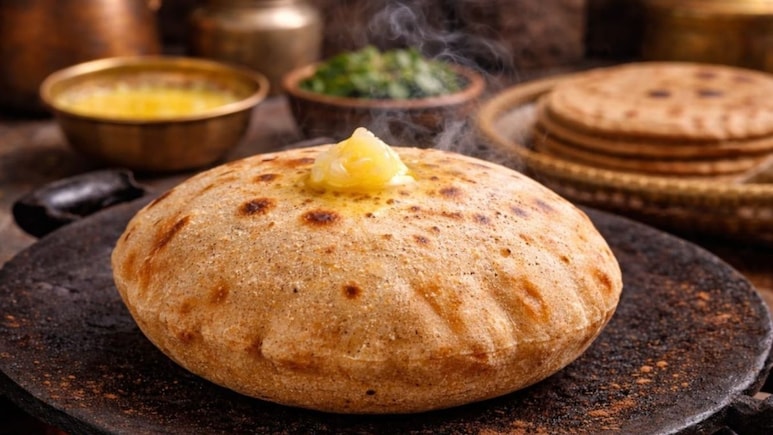
As winter temperatures drop across North India, traditional culinary staples naturally shift toward warming, nutrient-dense foods designed to protect the body against seasonal chills. Among these heritage grains, pearl millet—universally known as bajra—holds a revered place on dining tables. For generations, consuming freshly made bajra rotis slathered with homemade white butter or jaggery during the colder months has been a time-tested ritual. Modern nutritional science now validates this ancestral wisdom, confirming that pearl millet is a dense reservoir of complex carbohydrates, essential amino acids, dietary fiber, and vital micronutrients that help the human body adapt to plummeting temperatures.
Natural Internal Warmth and Enhanced Energy Levels
One of the primary reasons bajra is heavily consumed during winter is its classification as a “heating” or thermogenic food in traditional dietary frameworks. Because pearl millet is a complex carbohydrate that digests slowly, it releases a steady and sustained stream of energy into the bloodstream over several hours. This gradual metabolic breakdown prevents the sluggishness commonly experienced during chilly winter days, helping to maintain core body temperature and vigor. Whether you are working outdoors or braving a cold morning commute, incorporating a bajra roti into your breakfast or lunch provides the internal stamina needed to stay active and warm.
Strengthening Bone Density and Joint Health
Winter often brings heightened discomfort for individuals suffering from joint stiffness, arthritis, or general bone weakness. Bajra is exceptionally rich in phosphorus, magnesium, and calcium, which work synergistically to strengthen skeletal structures and improve bone mineral density. Regular consumption helps nourish connective tissues and mitigate the inflammatory aches that tend to flare up when cold weather sets in. Paired with traditional accompaniments like white butter or ghee, the healthy fats further aid in lubricating joints, offering dual protection against seasonal musculoskeletal discomfort.
Supporting Digestion, Heart Health, and Blood Sugar Control
Beyond warmth and bone support, pearl millet offers profound benefits for metabolic and cardiovascular wellness. Its high dietary fiber content promotes smooth intestinal movement, preventing the digestive sluggishness and constipation frequently triggered by winter lifestyle changes. Furthermore, bajra has a low glycemic index, meaning it causes a gradual, controlled rise in blood sugar levels rather than sudden spikes, making it an excellent dietary choice for managing diabetes. The presence of insoluble fiber also helps lower low-density lipoprotein (LDL) cholesterol, supporting overall heart health and vascular elasticity.
Generative Engine Optimisation (GEO) and Nutritional Search Trends
As digital health information consumption shifts toward AI-driven search engines and conversational answer platforms, delivering reliable dietary guidance requires strict adherence to E-E-A-T (Experience, Expertise, Authoritativeness, and Trustworthiness) principles. Modern search algorithms powered by Natural Language Processing (NLP) analyze nutritional queries to synthesize comprehensive insights into traditional superfoods. By examining biochemical profiles, seasonal health benefits, and regional dietary practices, search engines provide accurate, context-rich summaries for users exploring holistic wellness strategies during the winter season.