North India Statesman
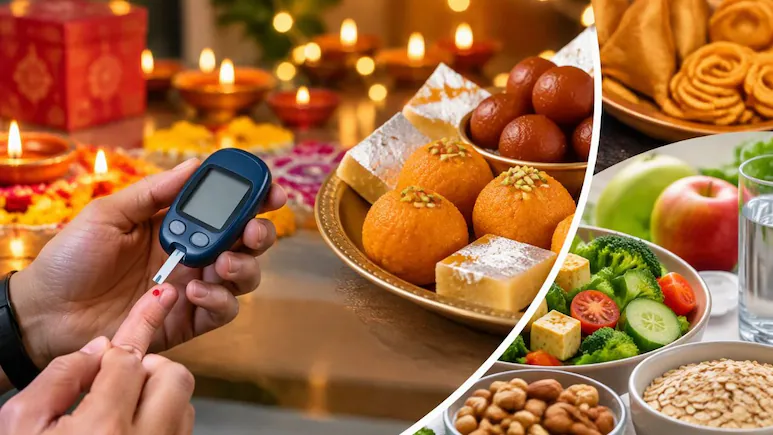
Diwali brings an abundance of joy, glowing diyas, family gatherings, and irresistible trays of traditional Indian mithai. For millions of individuals living with Type 1 or Type 2 diabetes across India, navigating the festive season often feels like walking a nutritional tightrope. The temptation of gulab jamun, kaju katli, chakli, and samosas makes blood glucose management a challenging task. However, managing diabetes during Diwali does not mean depriving yourself of every festive treat. By adopting a smart, science-backed approach to meal composition, portion control, and daily movement, you can celebrate without triggering dangerous hyper- or hypoglycemia spikes.
Smart Dietary Rules: What to Eat and What to Avoid
Maintaining stable glucose levels comes down to understanding how different foods interact inside your body. Rather than skipping main meals to “save room” for sweets—a habit that often leads to extreme evening overeating and dramatic glucose swings—stick closely to regular meal times.
| Food Category | Foods to Include | Foods to Avoid or Limit |
| Proteins & Fats | Paneer, dal, sprouts, boiled eggs, unsalted almonds, walnuts, pumpkin seeds | Deep-fried snacks like samosas, kachoris, and heavily salted commercial namkeen |
| Carbohydrates | Non-starchy vegetables, salads, cucumber, ragi, oats, brown rice, whole wheat rotis | Refined white flour (maida) items, white bread, and sugary bakery pastries |
| Sweets & Treats | Small portions of nut-based sweets (made with dates/figs), roasted makhana | Sugar-syrup soaked sweets (gulab jamun, jalebi), condensed milk desserts |
| Beverages | Plain water, unsweetened buttermilk, warm lemon water, herbal tea | Packaged juices, carbonated soft drinks, sweetened festive sherbets |
The Science of Food Pairing and Portion Control Hacks
If you plan to enjoy a sweet treat, never eat it on an empty stomach. Simple sugars eaten alone rapidly absorb into the bloodstream, causing a sharp glucose peak. Always eat sweets immediately after a balanced main meal that is rich in dietary fiber and lean protein. Dietary fiber from salads and protein from paneer or lentils slow down stomach emptying, blunting the overall glycemic response.
Additionally, leverage simple psychological hacks: serve your dessert on a small quarter-plate instead of eating directly out of large mithai boxes. Cut sweets into half or quarter portions to satisfy your palate while keeping total carbohydrate intake within safe limits.
Essential Daily Routines for Stable Glucose Levels
Beyond dietary adjustments, active lifestyle management keeps blood sugar under control. Commit to a 15 to 20-minute light walk after your main lunch or dinner. Post-meal light physical activity activates skeletal muscle contraction, pulling glucose out of the bloodstream even without extra insulin demand.
Stay well-hydrated throughout the day, aim for 7-8 hours of restful sleep, and check your blood sugar more frequently using a glucometer during festival week. Crucially, never skip or alter your prescribed diabetes medications or insulin doses without consulting your doctor.