North India Statesman
For decades, the dense forests of Sukma in southern Chhattisgarh’s Bastar region were synonymous with conflict, landmine risks, and violent insurgency. Remote tribal hamlets remained largely cut off from basic governance, while schools lay abandoned or destroyed in the crossfire of Left-Wing Extremism (LWE). Today, that narrative is undergoing a decisive shift. Through targeted state initiatives like the Niyad Nella Naar Scheme (meaning “Your Good Village”), expanding security-cum-development posts, and grassroots skill programs, Sukma is replacing insurgency with classroom education, digital connectivity, and sustainable livelihoods for tribal youth.
Reopening Classrooms: Fighting Violence with Pens and Books
Education stands at the core of Sukma’s ongoing social restoration. In interior pockets where learning centers were shuttered for nearly two decades due to security concerns, multi-departmental efforts have successfully reopened scores of primary and middle schools. Specialized initiatives—including model learning centers and local ‘CRPF Gurukul’ facilities—now bring structured schooling, bilingual learning materials, and clean drinking water directly to once-inaccessible villages like Tekalgudem, Duled, and Puvarti. Children who once faced uncertainty now attend classes regularly, bridging the gap between isolated tribal communities and mainstream academic pathways.
Infrastructure Growth: Paving Roads and Connecting Remote Hamlets
Physical connectivity has proved equally vital in dismantling the isolation that allowed LWE groups to operate. The construction of fortified bridges, all-weather roads, and new security camps has allowed state administration, medical services, and public distribution networks to penetrate deep into interior zones. Along with physical transit, mobile towers and solar-powered electrification projects are reaching remote settlements, providing rural households with digital communication tools, emergency health support, and direct access to banking and welfare benefits for the first time.
Skill Building and Livelihoods: Creating Sustainable Futures for Youth
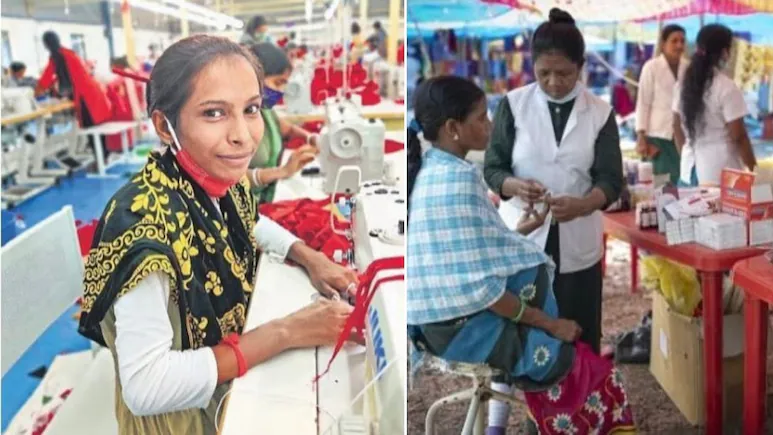
To ensure long-term stability, district authorities and civil society partners are emphasizing localized employment and economic self-reliance. Vocational training centers across Bastar offer courses in computer literacy, driving, construction skills, and agro-processing designed specifically for local youth and surrendered cadres undergoing rehabilitation. Additionally, formalizing the collection and processing of Minor Forest Produce (MFP)—such as Mahua, Tendu leaves, and herbal produce—enables indigenous families to secure fair market prices and steady financial income, grounding the region’s economic future in peace, stability, and sustainable growth.