North India Statesman
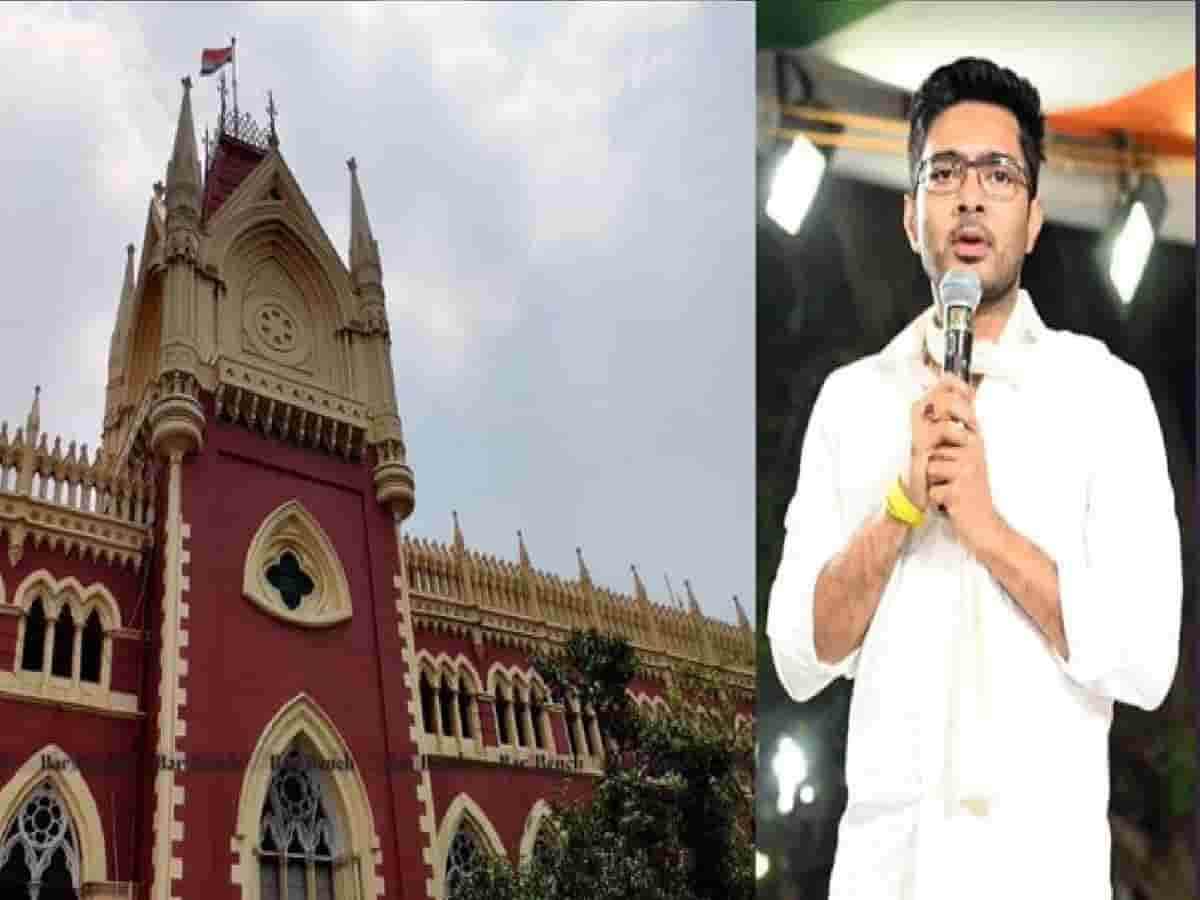
A high-stakes legal battle over political security and institutional accountability unfolded inside the Calcutta High Court on Thursday, November 12, 2026, as Trinamool Congress (TMC) National General Secretary and Diamond Harbour Member of Parliament Abhishek Banerjee challenged the steep reduction of his security cover from Z+ to X category. During intense arguments before the bench in Kolkata, counsel for the two-time Lok Sabha MP underscored the urgency of restoring high-level protection following a string of alleged security breaches across south Kolkata and South 24 Parganas. Taking a sharp look at the West Bengal government’s handling of the matter, the High Court questioned why state authorities were insisting on waiting six months for a periodic review when fresh incidents had already been brought to their notice. While the bench also pulled up Banerjee over recent public remarks he made regarding the judiciary, it affirmed that his fundamental right to personal safety would be judged strictly on legal merits before reserving its final order on the petition.
How Abhishek Banerjee’s Z+ Cover Was Reduced to X Category After May Polls
To understand why the dispute reached the High Court, legal observers point back to the dramatic political transition in West Bengal earlier this year. Appearing for Abhishek Banerjee, Senior Advocate Ayan Bhattacharjee submitted before the court that the Diamond Harbour MP had been accorded Z+ category security continuously since 2016. In 2024, following a comprehensive threat perception assessment conducted by the Union Ministry of Home Affairs, his Z+ protection was extended nationwide. However, soon after the Bharatiya Janata Party (BJP) won the West Bengal Assembly elections in May 2026 and assumed office in Kolkata, the state administration abruptly scaled down Banerjee’s security detail from Z+ to the far lighter X category—a move his legal team described as sudden, arbitrary, and politically motivated. Banerjee first moved the High Court seeking urgent restoration of his cover in late September, prompting judicial directions for the state government to explain the basis of the downgrade and submit a detailed threat assessment report.
‘Why Wait Six Months?’: High Court Questions State Over Fresh Security Incidents
During Thursday’s hearing, the core legal debate revolved around whether the state government can rely on a routine six-month review cycle when a protected public representative reports recurring physical threats. Banerjee’s counsel placed on record multiple alarming episodes that allegedly took place after the May 2026 downgrade, including a stone-pelting incident during his visit to Sonarpur on June 19, a separate scare at the Kolkata airport involving an armed suspect, and a fresh disturbance outside his Kalighat residence in south Kolkata on November 7. Questioning the state’s inaction, the bench asked pointedly why authorities were waiting six months to reassess the threat level, observing that once security has been reduced, subsequent developments on the ground must prompt immediate reconsideration in accordance with law. Earlier in the proceedings, the court had also questioned the haste with which the original scale-down was executed in May and remarked that incidents such as stone-pelting could not be brushed aside as trivial matters given the risk of serious bodily harm.
Key Timeline of the Abhishek Banerjee Security Case in West Bengal
For readers tracking the legal and political developments across Kolkata, Diamond Harbour, New Delhi, and Siliguri, the sequence of events below outlines how the dispute evolved from May to November 2026:
| Date (2026) | Key Development / Legal Milestone | Location / Authority |
| May 2026 | Security cover downgraded from Z+ to X category following West Bengal Assembly election results | State Security Directorate, Kolkata |
| June 19, 2026 | Stone-pelting and security breach reported during Banerjee’s public visit | Sonarpur, South 24 Parganas |
| September 29 – October 6 | Banerjee moves Calcutta High Court challenging withdrawal of Z+ cover; court seeks state explanation | Calcutta High Court, Kolkata |
| November 7, 2026 | Fresh incident reported near Banerjee’s residence, sparking sharp political reactions | Kalighat, South Kolkata |
| November 12, 2026 | High Court questions six-month wait for review, rebukes MP’s remarks on judges, and reserves order | Calcutta High Court, Kolkata |
Calcutta High Court Takes Exception to MP’s Remarks on Judiciary, Rejects Contempt Shortcut
Even as the bench pressed the West Bengal government on security protocols, Thursday’s hearing witnessed tense exchanges over a television interview given by Abhishek Banerjee following the November 7 Kalighat incident. Additional Advocate General Billwadal Bhattacharya, appearing for the state, submitted a pen drive and transcript of the interview, alleging that Banerjee had cast unfair aspersions on the judiciary by questioning delays in listing his petition and accusing sections of the bench of maintaining silence. The state urged the court to initiate suo motu criminal contempt proceedings against the TMC MP. Taking serious exception to the comments, the court observed that an elected Member of Parliament and an educated public representative cannot be treated on the same footing as an ordinary layperson and must exercise constitutional restraint when speaking about judges. At the same time, the bench refused to let the controversy derail the primary writ petition, stating clearly that one media publication would not prejudice its assessment of Banerjee’s security plea. Senior Advocate Ayan Bhattacharjee thanked the court for its dispassionate hearing and assured the bench that he would counsel his client appropriately.
Political Stakes in West Bengal as Court Prepares to Deliver Verdict
With the Calcutta High Court reserving its order on November 12, both political camps in West Bengal are awaiting a ruling that carries significant administrative and symbolic weight. For the Trinamool Congress, now sitting in the opposition in the state assembly while retaining a substantial parliamentary presence in Lok Sabha, restoring Z+ protection for its foremost campaigner is viewed as vital ahead of upcoming civic and rural outreach programmes. Conversely, the state administration has maintained that security categorisation is governed by objective intelligence inputs rather than political stature. Once pronounced, the High Court’s verdict will clarify how quickly state authorities must respond when elected leaders flag real-time threats between scheduled security reviews.