North India Statesman
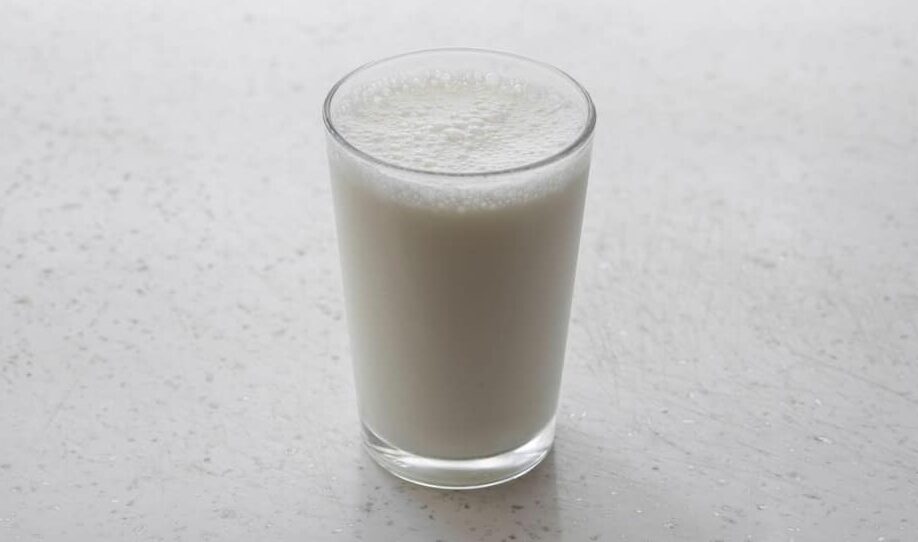
With leading dairy brands including Amul, Mother Dairy, and Nandini raising liquid milk prices across major Indian markets in November 2026—pushing full-cream milk to ₹76 per litre in Delhi-NCR and Uttar Pradesh and lifting toned milk rates by ₹2 to ₹8 per litre nationwide—many middle-class households are reassessing their daily grocery budgets. For generations, milk has been the cornerstone of Indian family nutrition, prized as an accessible source of calcium, complete protein, potassium, phosphorus, and Vitamin B12. However, clinical nutritionists and dietitians across Lucknow, Kanpur, New Delhi, Mumbai, and Bengaluru emphasize that cutting back on expensive dairy pouches does not have to leave children, working adults, or senior citizens vulnerable to nutritional gaps. By incorporating affordable, everyday Indian pantry staples—ranging from finger millet (ragi) and roasted sesame seeds to soybeans, lentils, and leafy greens—families can easily match or exceed the bone-strengthening and muscle-building nutrients found in a daily glass of milk without straining their monthly kitchen expenses.
Why Ragi (Finger Millet) and Sesame Seeds Beat Milk in Calcium Density
When Indian families worry about reducing milk consumption, calcium deficiency and bone health are usually the primary concerns, particularly for growing children and postmenopausal women. According to nutritional benchmarks published by the Indian Council of Medical Research–National Institute of Nutrition (ICMR-NIN), 100 millilitres of standard cow or buffalo milk supplies roughly 120 to 180 milligrams of calcium. Remarkably, ragi (finger millet) contains nearly three times that concentration, delivering approximately 344 to 364 milligrams of calcium per 100 grams alongside dietary fibre and iron that milk lacks altogether. Preparing a simple morning ragi malt, ragi dosa, or ragi roti costs a fraction of daily packaged milk while keeping blood sugar steady. Similarly, white sesame seeds (safed til)—a staple across northern Indian kitchens during winter—pack close to 975 milligrams of calcium per 100 grams. Adding just one to two tablespoons of roasted sesame seeds or traditional til-gur chikki to daily meals provides a concentrated boost of calcium, magnesium, and healthy fats.
Soybeans, Tofu, and Pulses: Matching Milk’s High-Quality Protein at Lower Cost
Beyond calcium, milk is valued in vegetarian Indian diets for providing roughly 3.2 to 3.6 grams of complete protein per 100 millilitres—meaning a standard 250-millilitre glass offers about 8 to 9 grams of protein. Registered dietitians point out that soy products and traditional dals bridge this gap far more economically. Unsweetened soy milk offers nearly identical protein content to cow’s milk (around 7 to 8 grams per cup) and, when fortified, delivers comparable calcium and Vitamin D for individuals with lactose sensitivity or tight budgets. Even more cost-effective are whole soybeans, soy chunks (nutrela), and tofu: 100 grams of tofu provides roughly 8 to 10 grams of easily digestible protein plus bone-supporting isoflavones, while everyday pulses such as moong dal, chana dal, rajma, and roasted chana pair seamlessly with rice or whole wheat rotis to form a complete amino acid profile.
Nutritional Comparison: Cow Milk vs. Affordable Indian Pantry Alternatives
To help households plan balanced meals without relying heavily on daily milk pouches, the table below compares standard dairy milk against common, budget-friendly Indian alternatives per 100-gram or 100-millilitre serving:
Leafy Greens, Nuts, and Natural Sources for Micronutrients and Vitamin D
While dairy products in India are frequently fortified with Vitamin D and naturally supply Vitamin B12, nutrition experts note that sunlight and diverse plant foods cover most of these micronutrient bases effectively. Dark leafy vegetables widely available across local mandis in Uttar Pradesh, Bihar, Maharashtra, and southern states—such as amaranth (chaulai), drumstick leaves (moringa), fenugreek (methi), and spinach—deliver substantial bioavailable calcium alongside Vitamin K, which helps anchor calcium inside bone tissue. For healthy fats and satiety, a small handful of soaked almonds, walnuts, or roasted peanuts delivers sustained energy and magnesium at a lower per-serving cost than packaged ghee or full-cream milk. Meanwhile, spending 15 to 20 minutes in mid-morning sunlight remains the most reliable, zero-cost way for Indian families to synthesize natural Vitamin D, which is essential for absorbing calcium from plant-based foods.
Smart Kitchen Tips to Stretch Dairy Without Compromising Family Health
Dietitians advise that households do not need to eliminate dairy entirely to protect their monthly budget. Instead, reserving smaller quantities of toned milk or homemade curd—which supports gut health through natural probiotics—for young toddlers and elderly family members, while shifting older children and adults toward ragi breakfasts, soya-enriched meals, and sesame-based chutneys, cuts monthly milk bills by 30% to 40%. Pairing calcium-rich plant foods with Vitamin C sources like amla, lemon juice, or guava further enhances mineral absorption, ensuring that rising dairy prices never translate into compromised household nutrition.