North India Statesman
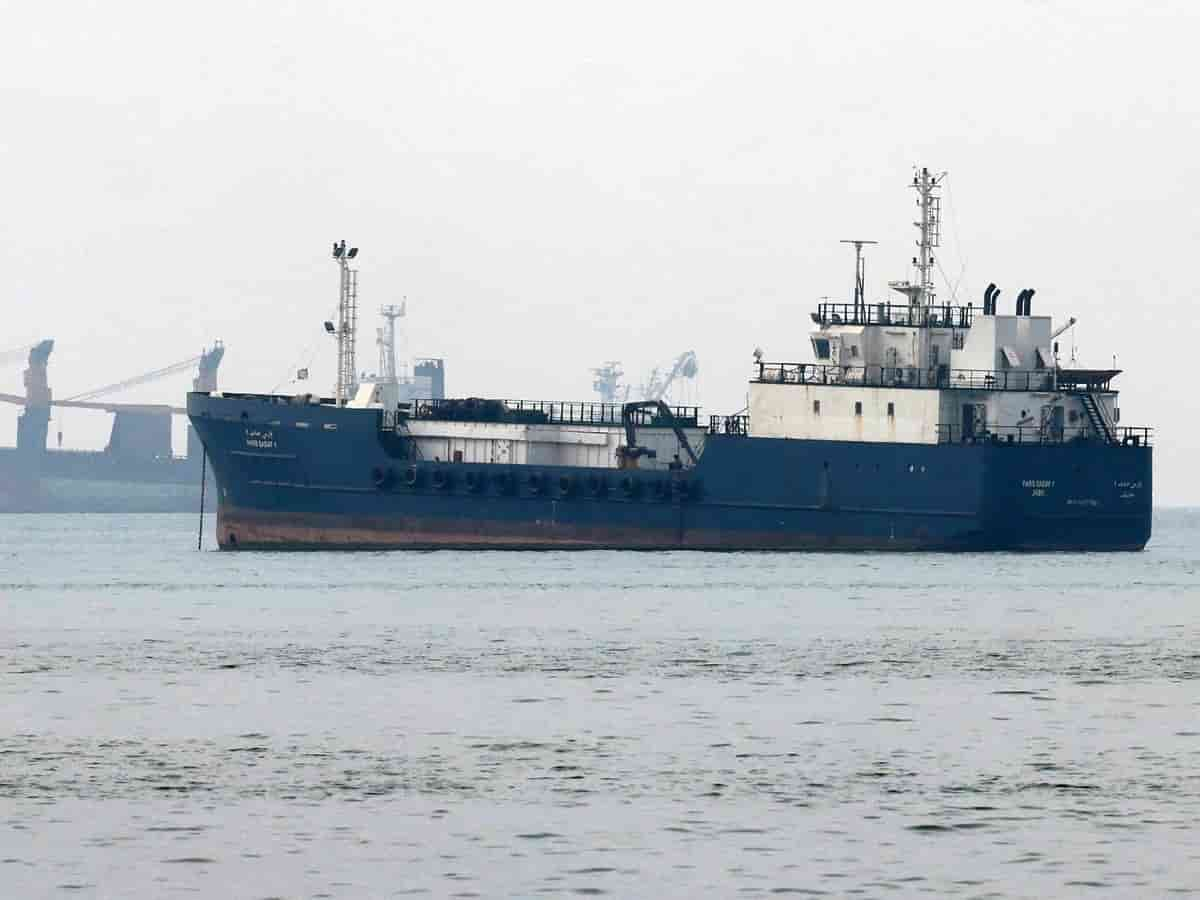
Commercial shipping lanes in West Asia have once again turned perilous for Indian mariners after a crude oil tanker carrying 19 Indian crew members was struck by a projectile off the coast of the United Arab Emirates. The incident, which unfolded on Wednesday, November 11, 2026, near the strategic port of Mina Saqr in the emirate of Ras Al Khaimah, marks the third maritime security scare involving Indian seafarers in the Persian Gulf region within a span of just 48 hours. Despite a fire breaking out on board following the impact, swift rescue coordination prevented any loss of life, bringing immense relief to anxious families across India. Union Minister for Ports, Shipping and Waterways Sarbananda Sonowal officially confirmed on Thursday that every single Indian sailor aboard the vessel has been evacuated without a scratch, even as New Delhi intensifies diplomatic outreach to safeguard civilian vessels navigating the volatile waters of the Gulf.
What Happened Aboard MT Dominica Prosperity Off Mina Saqr?
According to official maritime updates shared by the Ministry of Ports, Shipping and Waterways, the targeted vessel is the Liberia-flagged crude oil tanker MT Dominica Prosperity, which had a total complement of 22 crew members on board. The tanker was drifting in waters off Mina Saqr—a major deep-water seaport and industrial hub in Ras Al Khaimah—when an unidentified projectile struck the ship on November 11. The impact triggered a blaze in the vessel’s engine room, forcing the crew to initiate immediate emergency distress protocols. Responding rapidly to the distress call, patrol and rescue units of the UAE Coast Guard reached the stricken tanker and carried out a high-stakes evacuation of all 22 personnel. Taking to social media platform X on November 12, Minister Sarbananda Sonowal reassured the nation that the entire 22-member crew was brought ashore safely and that all 19 Indian nationals escaped without any physical injuries. He further emphasized that Indian diplomatic missions and maritime authorities remain in continuous touch with the ship management company to guarantee the crew’s ongoing welfare, medical check-ups, accommodation, and eventual repatriation.
Third Tanker Incident Involving Indian Crew in 48 Hours
What makes the strike on MT Dominica Prosperity particularly alarming for India’s maritime community is that it is not an isolated flashpoint. Between November 10 and November 11, three separate commercial oil tankers carrying Indian seafarers were caught in security incidents across the Persian Gulf and the Strait of Hormuz. Just a day before the Mina Saqr strike, on November 10, another Liberia-flagged very large crude carrier, MT Fujairah Energy, was hit by a projectile while transiting the Persian Gulf between Al Ruwais and Dubai. That ship carried six Indian mariners among its 22-member crew; while four sailors aboard sustained injuries—including one Indian crew member who suffered minor wounds and was taken ashore for medical care—the remaining 18 personnel, including five Indians, were safely accounted for. Separately, on Wednesday, November 11, a Saudi Arabia-flagged oil tanker, NCC Fajr, carrying three Indian seafarers, also reported a suspected attack while passing through the Strait of Hormuz. Fortunately, all three Indian crew members and their fellow sailors aboard NCC Fajr escaped unharmed.
New Delhi Calls for Restraint and Safe Passage in the Strait of Hormuz
As repeated projectile strikes threaten commercial energy corridors in West Asia, the Government of India has stepped up its diplomatic engagement with regional stakeholders. Addressing media queries in New Delhi regarding the escalating risks to merchant vessels, Ministry of External Affairs (MEA) spokesperson Randhir Jaiswal reiterated India’s firm call for safe, free, and unimpeded navigation through the Strait of Hormuz. Jaiswal stressed that Indian authorities are actively communicating with all concerned parties to prevent attacks on civilian shipping and ensure the protection of both Indian-flagged vessels and foreign ships staffed by Indian crew. Maritime security analysts note that the Strait of Hormuz serves as one of the world’s most critical energy chokepoints, handling roughly 20 percent of global petroleum trade. Any sustained disruption or wave of attacks along this narrow waterway directly impacts global crude supply chains, maritime insurance premiums, and India’s domestic energy security.
Why Indian Seafarers Bear the Brunt of Global Maritime Conflicts
Behind every diplomatic statement and shipping alert lies a deeply personal reality for tens of thousands of Indian households. Indian mariners constitute approximately 10 to 12 percent of the entire global merchant navy workforce, making India one of the largest suppliers of trained officers and ratings to international oil tankers, bulk carriers, and container ships. From coastal hubs in Maharashtra, Kerala, Tamil Nadu, Gujarat, Goa, and Andhra Pradesh to inland towns across Uttar Pradesh, Bihar, Uttarakhand, and Himachal Pradesh, merchant navy employment is a vital economic lifeline for middle-class families. Because global energy fleets rely heavily on Indian officers and engineers to operate sophisticated crude carriers, Indian sailors frequently find themselves on the front lines whenever geopolitical tensions spill over into international waters. Maritime unions and seafarer welfare associations in Mumbai and New Delhi have urged international shipping companies to enforce stricter war-risk routing protocols, enhance real-time naval advisories, and provide transparent communication channels for next of kin whenever vessels transit high-risk zones near the Persian Gulf and the Gulf of Oman.
What Happens Next for the Rescued Crew and Maritime Safety?
Following their evacuation by the UAE Coast Guard, the 19 Indian seafarers from MT Dominica Prosperity are currently receiving logistical support and consular assistance while maritime investigators assess the structural damage to the tanker. Officials from the Directorate General of Shipping (DGS) in Mumbai, working alongside the Indian Embassy in Abu Dhabi and the Consulate General in Dubai, are coordinating with the vessel’s operators to complete documentation and arrange safe travel home for crew members who wish to sign off. Meanwhile, maritime security agencies continue to advise merchant ships operating near Ras Al Khaimah, Fujairah, and the Strait of Hormuz to maintain heightened bridge watch, keep automatic identification systems monitored in accordance with naval guidance, and report any suspicious aerial or surface activity immediately. For now, while the rapid rescue off Mina Saqr averted a major tragedy, the back-to-back targeting of three oil tankers in two days underscores how fragile maritime peace remains for Indian seafarers working far from home.