North India Statesman
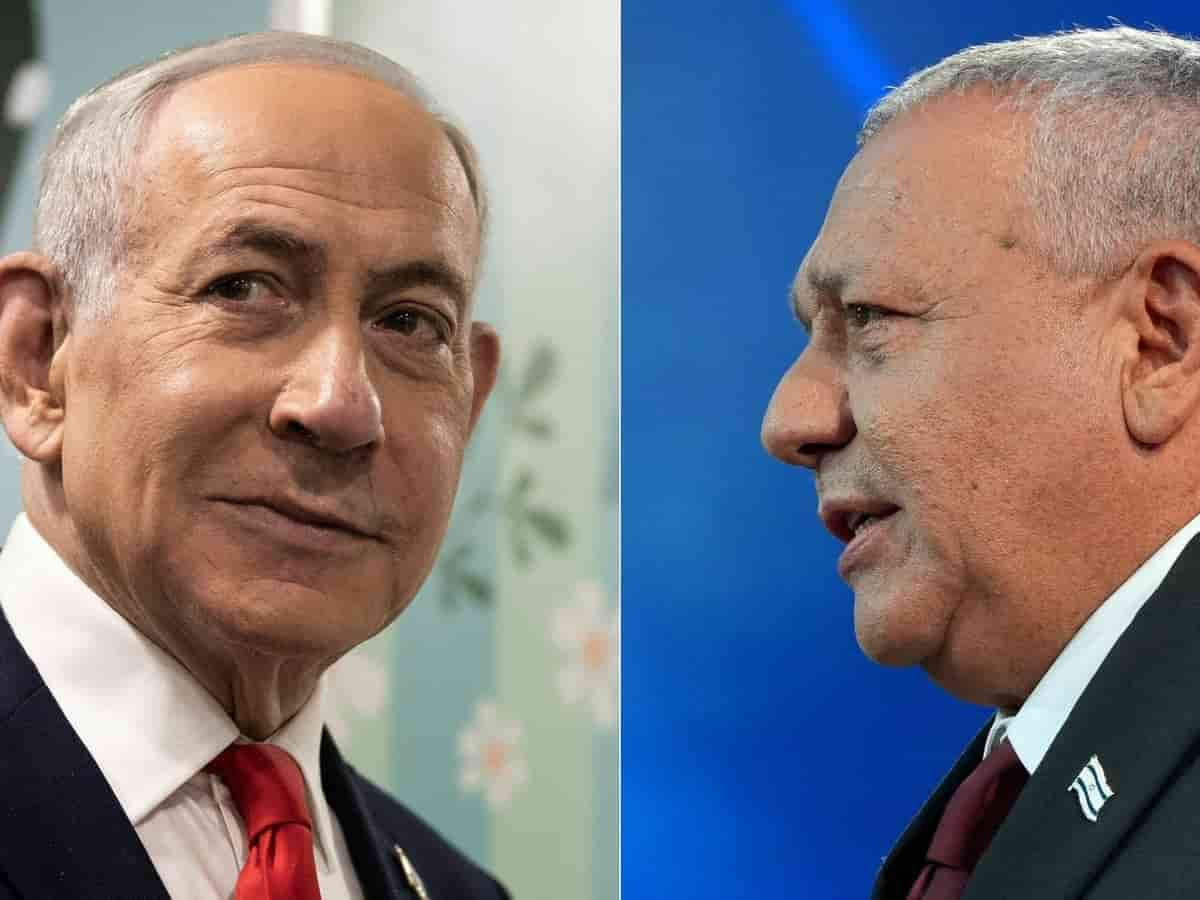
A high-stakes political and security standoff has erupted in Jerusalem as Israel’s prime minister-designate, Gadi Eisenkot, moved to block caretaker Prime Minister Benjamin Netanyahu from initiating any unilateral military escalation against Iran during the ongoing coalition transition. In a pointed warning delivered ahead of a high-level security briefing in Jerusalem, the former military chief told Netanyahu to hold off on major strategic moves until a new, constitutionally mandated government is sworn in. The confrontation comes amid intense speculation in Israeli and international media that Netanyahu’s outgoing administration has been weighing fresh military operations against Tehran—a move opposition leaders suspect could be designed to manufacture a wartime emergency, derail rival coalition negotiations, and keep the longtime leader in power. For observers in India and across global diplomatic circles, the power struggle in Jerusalem carries direct implications for West Asian stability, crude oil markets, and the safety of millions of expatriates living across the Gulf.
What Did Gadi Eisenkot Say to Benjamin Netanyahu?
Addressing mounting reports of potential military action against Iran, Gadi Eisenkot—leader of the centrist Yashar party and former Chief of Staff of the Israel Defense Forces (IDF)—drew a strict constitutional red line around the powers of a transitional administration. In an official letter sent to Netanyahu on Wednesday, November 11, 2026, Eisenkot urged the caretaker prime minister to refrain from what he termed “dangerous moves that can wait until a new government, enjoying the confidence of the Knesset, is sworn in”. Eisenkot reminded Netanyahu that following the October 27 parliamentary elections, his outgoing administration no longer commands a parliamentary majority, with only 46 lawmakers out of 120 backing his continued tenure. Deploying security forces in the absence of an immediate, non-deferrable threat, Eisenkot cautioned, would inflict severe damage on Israeli democracy and erode public trust in state institutions.
Why Does the Opposition Suspect an Iran Escalation Plan?
The friction between Israel’s outgoing premier and the man tasked with replacing him has been fuelled by back-channel diplomatic reports and sharp disagreements inside Israel’s security establishment. According to Israeli media disclosures, Netanyahu had been holding frequent phone conversations with United States President Donald Trump to press for renewed military strikes against Iran, even as Washington signalled a preference for regional diplomacy and Qatar-mediated negotiations. Simultaneously, reports surfaced of friction between Netanyahu and senior defence officials, including IDF Chief of Staff Lt. Gen. Eyal Zamir, who allegedly pushed back against pre-election proposals for offensive operations that could trigger a wider regional war. Senior opposition figures and political analysts have openly accused Netanyahu of attempting to spark a security crisis that would force Eisenkot’s bloc into an emergency national unity government under Netanyahu’s leadership, or else collapse coalition talks altogether and force fresh elections.
Inside the Two-Hour Jerusalem Security Briefing
Tensions over transparency nearly boiled over before Netanyahu and Eisenkot finally sat down face-to-face at the Prime Minister’s Office in Jerusalem on Thursday, November 12, 2026. Under Israeli law, the prime minister is obligated to provide regular intelligence and security updates to the leader of the opposition. However, because the newly inaugurated Knesset had not yet formally appointed an opposition leader following the October vote, Eisenkot accused Netanyahu of withholding critical intelligence briefings at a sensitive geopolitical moment. Only after Eisenkot petitioned Attorney General Gali Baharav-Miara to intervene did the Prime Minister’s Office schedule Thursday’s two-hour meeting, which was also attended by Netanyahu’s military secretary. While Netanyahu’s office stated afterward that the discussion covered pressing diplomatic and security challenges and that both sides agreed to exchange updates, the prime minister dismissed Eisenkot’s earlier warning letter as “irresponsible” and accused his rival of spreading division.
How Coalition Math and Caretaker Laws Shape Israel’s Crisis
The political deadlock in Jerusalem stems from the fractured verdict of the October 27, 2026 general election, which left neither major bloc with the 61 seats required to govern alone. Netanyahu’s right-wing and religious alliance won 53 seats, Eisenkot’s four-party opposition bloc secured 48 seats, and Arab-majority parties captured a record 19 seats. On November 8, Israeli President Isaac Herzog handed the first mandate to form a government to Eisenkot after factions representing 67 Knesset members recommended him. Eisenkot has a 28-day window—extendable by 14 days until December 20—to assemble a coalition, a mathematically complex task that requires either external backing from Arab-led lawmakers or bridging deep ideological divides with ultra-Orthodox parties over military conscription. Legally, Israeli constitutional practice allows a caretaker prime minister to authorise urgent defensive actions, a point Defense Minister Israel Katz underscored when he insisted the cabinet needs no opposition permission to direct military strikes. Yet other opposition leaders, including Yisrael Beiteinu chief Avigdor Lieberman, have joined Eisenkot in warning that launching an offensive war without parliamentary oversight or full consensus among security chiefs crosses a dangerous democratic boundary.
Why Israel’s Political Standoff Matters to India and West Asia
Beyond Jerusalem’s corridors of power, the outcome of Eisenkot’s push for restraint carries major strategic consequences for India and the broader Indo-Pacific and West Asian region. India maintains deep strategic, defence, and technological ties with Israel while simultaneously relying on stability across the Persian Gulf for over 80 percent of its crude oil imports and the safety of nearly nine million Indian workers residing in West Asia. Any unilateral Israeli military strike on Iran during a caretaker transition risks igniting retaliatory missile attacks and maritime disruptions across the Strait of Hormuz, threatening energy prices and commercial shipping lanes vital to the Indian economy. As Israel’s security cabinet prepares to convene in Jerusalem, international diplomats are watching closely to see whether Eisenkot’s institutional pushback successfully keeps military escalation on hold until a fully accountable government takes office.