North India Statesman
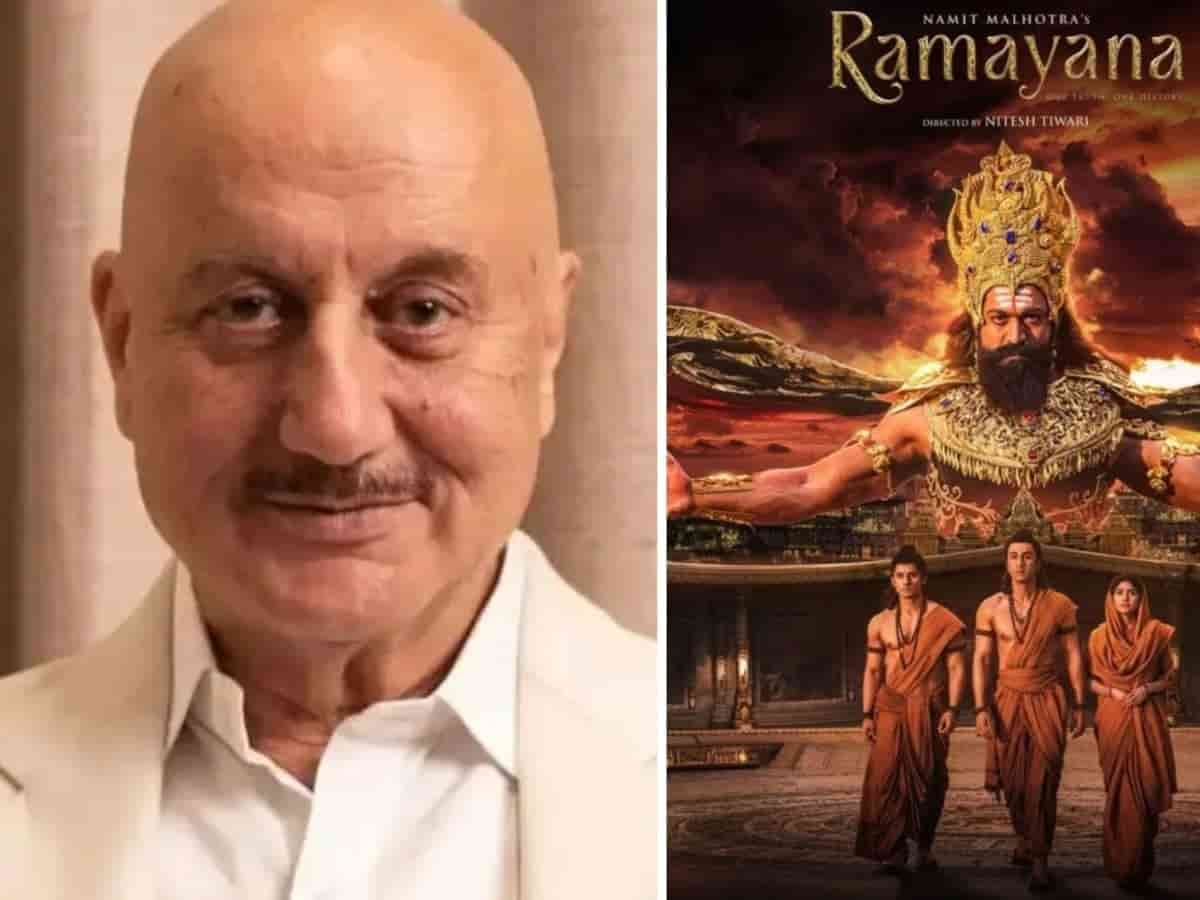
Since Nitesh Tiwari’s magnum opus Ramayana: Part 1 arrived in theatres on November 5, 2026, audiences and film critics across India have been locked in a lively debate over the dramatic balance between its two central figures. While the big-budget mythological spectacle has shattered global box-office records, a section of viewers observed that Rocking Star Yash’s portrayal of Lankapati Ravana comes across as far more commanding, fiery, and dominant on screen than Ranbir Kapoor’s restrained, serene depiction of Lord Rama. Stepping forward to address this widespread discussion, veteran actor Anupam Kher—who lends his evocative voice to the demigod vulture Jatayu in the film—offered a candid breakdown of Hindi cinema’s storytelling grammar. Speaking in an exclusive conversation with The Hollywood Reporter India on November 13, 2026, Kher explained that amplifying the antagonist’s might in the opening chapter is a deliberate, time-tested narrative strategy.
“In Hindi Films, There’s Always…” — Anupam Kher’s Classic Bollywood Formula
Drawing from over four decades of experience across more than 550 motion pictures, Anupam Kher pointed out that Nitesh Tiwari and producer Namit Malhotra always conceived Ramayana as a two-part theatrical saga rather than a standalone feature. According to Kher, establishing the sheer terror and invincibility of the adversary is essential before the hero’s ultimate triumph can resonate emotionally with mass audiences. Explaining the creative blueprint, Kher remarked that once filmmakers establish the villain, viewers truly grasp the scale of the obstacle that must be overcome. “From Sholay to Karma, Hindi films always establish how frightening and powerful the villain is,” Kher stated, adding that this groundwork ensures audiences experience an unmatched emotional high when the hero finally defeats him. He emphasised that making Ravana appear larger-than-life in the first instalment is precisely what will make the victory of good over evil feel monumental when the second chapter arrives in Diwali 2028.
Why Lord Rama’s Restraint Makes Ravana Compelling on Screen
Addressing suggestions that Ravana’s flamboyant sequences overshadowed Lord Rama’s quieter moments in the first half of the saga, Anupam Kher firmly disagreed with pitting the two characters against each other. Instead, the 71-year-old actor argued that Ravana’s dramatic weight exists solely because of the moral depth and stillness of Lord Rama. Kher praised Ranbir Kapoor for embracing a role devoid of loud theatrics, noting that portraying grace, dharma, and quiet dignity requires immense artistic courage from a mainstream star. He reminded impatient viewers that Ramayana: Part 1 primarily chronicles Rama’s birth, upbringing, marriage to Sita, and forest exile, culminating in Sita’s abduction. The defining action milestones of Lord Rama’s journey—including his confrontation with Vali and his epic clash against Meghnad—are reserved for the sequel. For Kher, the emotional core of the first part shines brightest during the poignant sequence where Rama cradles a dying Jatayu and breaks down in grief, a moment that deeply humanises the divine protagonist.
Inside Anupam Kher’s Six-Hour Dubbing Session for Jatayu’s Climax Fight
Kher’s insights carry special weight given his own pivotal contribution to the film’s most acclaimed action set piece: the aerial battle between Jatayu and Ravana. Initially approached by Namit Malhotra last year amid early industry speculation linking Amitabh Bachchan to the voice role, Kher expected a routine recording session. However, after watching a nine-minute preview of the visual effects-heavy confrontation, the veteran performer was left stunned by its emotional intensity and postponed his dubbing by a day to prepare mentally. Although Jatayu speaks only 10 to 12 lines of dialogue as he lies mortally wounded, Kher spent nearly six hours inside the recording studio perfecting every breath and inflection—a process that normally takes him under twenty minutes. Describing Jatayu as an aged warrior fighting a battle he knew he could not win, Kher noted that the sequence’s viral popularity has even sparked a fresh wave of tourism interest around the iconic Jatayu Earth Center in Chadayamangalam, Kerala.
Pan-India Craze and International Acclaim Drive ₹1,000 Crore Milestone
Beyond critical discourse, audience turnout across India and overseas confirms that Nitesh Tiwari’s narrative pacing has struck a powerful chord. From bustling multiplexes in Mumbai, Bengaluru, and Delhi NCR to packed single-screen theatres across Uttar Pradesh—including cultural heartlands like Ayodhya, Lucknow, Kanpur, and Unnao—families have flocked to experience the visual grandeur of the epic on the big screen. Mounted on a reported budget of around ₹2,000 crore and featuring an ensemble cast led by Ranbir Kapoor, Yash, Sai Pallavi as Sita, Ravie Dubey as Lakshmana, and Sunny Deol as Hanuman, Ramayana: Part 1 crossed the ₹1,000 crore worldwide gross milestone within just eight days of release. Kher, who recently attended the film’s international premiere in Stockholm, Sweden, shared that non-Indian viewers compared its world-building to The Lord of the Rings and left screenings visibly moved. Urging sceptics to look past premature cynicism, Anupam Kher concluded that Indian cinema has entered a bold new era of global storytelling—one where patience in the first act sets the stage for an unforgettable cinematic payoff in Part 2.