North India Statesman
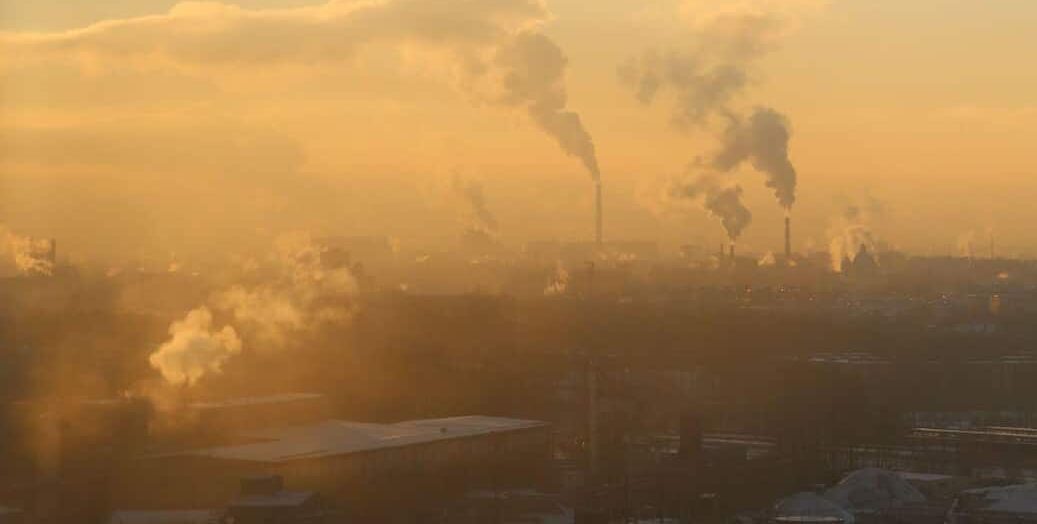
Every winter across northern India, thick blankets of smog trigger familiar complaints of stinging eyes, scratchy throats, and wheezing lungs. Yet medical researchers and molecular biologists warn that the most dangerous consequences of breathing toxic air unfold silently deep inside our cells. Far beyond temporary respiratory discomfort, prolonged exposure to hazardous Air Quality Index (AQI) levels inflicts direct structural and chemical damage on human deoxyribonucleic acid (DNA)—the master genetic blueprint that governs how our cells grow, repair themselves, and function. From densely populated metropolitan hubs like Delhi NCR, Gurugram, and Noida to rapidly urbanising industrial and agricultural corridors across Uttar Pradesh—including Lucknow, Kanpur, and Unnao—millions of residents inhale microscopic pollutants daily without realising how profoundly these toxins alter cellular health over time.
How PM2.5 and Toxic Gases Trigger Oxidative Stress Inside the Body
To understand how polluted air harms genetic material, scientists focus closely on fine particulate matter known as PM2.5 (particles measuring less than 2.5 micrometres in diameter, roughly thirty times thinner than a human hair) alongside ultrafine nanoparticles, polycyclic aromatic hydrocarbons (PAHs), nitrogen dioxide, and airborne heavy metals such as lead, arsenic, and cadmium. Because these particles are extraordinarily tiny, they bypass the nose and throat’s natural filtration barriers, lodge deep inside the lung alveoli, and pass directly into the bloodstream. Once circulating through the body, toxic pollutants spark an intense biochemical chain reaction called oxidative stress. During oxidative stress, the body produces an excess of unstable molecules known as reactive oxygen species (ROS) or free radicals. When these free radicals overwhelm the body’s natural antioxidant defences, they collide with cellular nuclei and attack delicate DNA strands—causing single- and double-strand breaks, chemical base modifications, and DNA adducts where carcinogenic compounds bind directly to genetic code.
Epigenetic Alterations and Accelerated Biological Ageing
Even when toxic air does not physically snap a DNA strand in half, it can disrupt how genes behave through epigenetic modifications. Epigenetics refers to chemical tags—most notably DNA methylation—that act like dimmer switches, turning vital genes on or off without altering the underlying DNA sequence. Clinical environmental studies demonstrate that chronic exposure to high PM2.5 and traffic-related emissions alters DNA methylation patterns in genes responsible for suppressing tumours, regulating immune responses, and controlling vascular inflammation. At the same time, airborne toxins accelerate the shortening of telomeres—the protective caps at the ends of chromosomes that keep genetic data intact every time a cell divides. Shorter telomeres are a recognized biological marker of premature cellular ageing, explaining why residents in chronically polluted regions face earlier onset of cardiovascular disease, metabolic disorders, and cognitive decline.
Long-Term Diseases Linked to Pollution-Induced Genetic Damage
When the body’s natural DNA repair enzymes are constantly overworked by daily exposure to toxic smog, errors begin slipping through cell division. Over months and years, accumulated genetic mutations substantially elevate the risk of serious chronic illnesses. Oncologists across India have raised growing concern over rising cases of lung cancer among lifelong non-smokers, a trend strongly linked to pollution-driven mutations in key growth-regulating genes such as EGFR. Beyond oncology, DNA and mitochondrial damage caused by toxic air accelerates atherosclerosis in blood vessels, increasing the likelihood of heart attacks and strokes. Vulnerable populations—including pregnant women, unborn foetuses, young children, and senior citizens—face heightened risks, as maternal exposure to severe air pollution can induce epigenetic changes in placental tissue that affect foetal growth and childhood lung development.
Evidence-Based Ways to Shield Your Cells and Support DNA Repair
While individuals cannot immediately eliminate ambient outdoor pollution, doctors and nutritionists emphasize that targeted daily habits can significantly lower pollutant intake and bolster the body’s internal DNA repair mechanisms. Monitoring real-time AQI readings and wearing a properly fitted N95 or N99 respirator mask during high-pollution mornings and evenings prevents fine particulates from entering the lungs. Indoors, running HEPA-filter air purifiers and keeping windows sealed during peak smog hours reduces cumulative exposure. On the biological front, strengthening antioxidant reserves helps neutralise free radicals before they reach cellular DNA. Incorporating foods rich in vitamins C and E, polyphenols, omega-3 fatty acids, and sulforaphane—found in amla (Indian gooseberry), citrus fruits, walnuts, turmeric, spinach, and cruciferous vegetables like broccoli and cauliflower—supports cellular defence and natural genetic repair enzymes. Combined with adequate hydration and avoiding outdoor vigorous exercise when AQI crosses severe thresholds, these steps offer meaningful protection against the invisible cellular toll of toxic air.